


Maroons Heartbreak As Blues Rip Origin I Away In Stunning Sydney Comeback


MATCH REPORT

Published 27-May-2026


Devastating for the Maroons at Accor Stadium in Origin I.

Kalyn Ponga’s sending off in a decision that immediately sparked controversy proved an enormous turning point. Andrew Johns was critical of the decision during commentary. It swung hard-fought momentum against Queensland, and the Blues produced an extraordinary final-minute play, with James Tedesco catching, juggling and grounding Nathan Cleary’s bomb.

For much of the night, Queensland looked in control.

Not just ahead on the scoreboard — in control of the contest itself. Their line speed was sharp, their middle forwards were winning collisions, Harry Grant was asking questions around the ruck, and Sam Walker, on debut in the most pressurised arena the game can offer, looked remarkably composed.

Then Origin did what Origin does.

It twisted.

A night that had looked set to become a major statement for Billy Slater instead became a brutal lesson in how quickly interstate football can turn when momentum shifts and belief takes hold.

Queensland led 20-0 after 20 minutes. They were still 20-6 ahead deep into the second half. And yet somehow, they walked away beaten 22-20.

That is the sort of loss that lingers.

Queensland Landed Every Early Blow

If there were doubts about Ponga getting the nod over Reece Walsh, or whether Walker was ready for this level, Queensland answered them quickly.

Robert Toia struck first in the ninth minute after early pressure forced the Blues into errors, and Walker converted.

It got worse for New South Wales from there.

Thomas Flegler, all aggression and direct running, punched through in the 14th minute after Queensland had started owning the middle. Selwyn Cobbo had already done damage with a strong carry in the lead-up, and the Blues suddenly looked rattled.

A few minutes later, Hamiso Tabuai-Fidow crossed as Queensland continued to punish sloppy New South Wales football.

Walker never missed.

By the time he added a penalty goal in the 20th minute, the Maroons were 20-0 up, and Accor Stadium had gone from loud to uneasy.

Queensland weren’t just scoring. They were dictating the terms.

Munster was playing direct. Grant was probing. Tino Fa’asuamaleaui and Flegler were bending the line. Even defensively, the Maroons looked connected and aggressive.

At that point, it genuinely felt like the Blues were in serious trouble.

New South Wales Hang Around

Origin, though, rarely gives you a clean night.

Hudson Young’s try in the 27th minute finally gave the Blues something tangible to work with, trimming the margin to 20-6 after Cleary’s conversion.

Even then, Queensland still looked the more settled side.

They defended repeat pressure well enough and took that lead into half-time without looking especially rattled. But if you were watching closely, there were hints the game was changing shape.

The Blues had started to spend more time in Queensland territory. Their attack still lacked polish, but the game had become less comfortable than the scoreboard suggested.

And once that happens in Origin, strange things tend to follow.

The Turning Point That Changed Everything

The defining moment came just before the hour mark.

Ponga was sent off for a shoulder charge in a decision that immediately lit up debate.

Whether you agreed with it or not, the practical effect was obvious. Queensland suddenly had to survive a critical passage under enormous pressure, a man short, against a side that had finally found some rhythm.

The Blues took advantage.

Ethan Strange crossed in the 62nd minute after Stephen Crichton’s break opened the Maroons up, although Cleary’s missed conversion meant Queensland still had breathing room at 20-10.

But the feel of the match had changed completely.

The crowd sensed it. The Blues sensed it. Queensland, perhaps, sensed it too.

Cleary’s 40/20 in the 70th minute was the moment the pressure became suffocating. It was a champion’s play, the kind that flips field position and emotional momentum in one strike.

Seconds later, he backed it up by slicing through himself.

20-16.

Now the Maroons were no longer managing a lead. They were trying to survive.

Queensland Let The Game Slip

The temptation will be to make this all about the Ponga send-off.

It was enormous. Lose a player in Origin, against a side with Nathan Cleary pulling the strings, and the pressure changes instantly.

But Queensland still had chances to steady themselves.

Instead, just when composure mattered most, the mistakes crept in.

Robert Toia lost the ball. Harry Grant conceded a costly penalty. Selwyn Cobbo came up with an error. Jojo Fifita spilled possession.

None of those moments, on their own, decide a match.

Together, though, they handed New South Wales exactly what it needed — territory, repeat sets, and belief.

That’s how these games can turn. Not always in one dramatic flash, but in small moments where control slips away and suddenly the team chasing starts to smell something.

By the time Cleary launched that final bomb, Queensland no longer looked like a side closing out a win. They looked like a side trying desperately to survive.

And when Tedesco somehow came down with it — juggling, regathering, grounding — it felt like the kind of moment Origin keeps in its vault for years.

Queensland will argue the turning point. They’ll replay the send-off. They’ll point to what might have been.

But the harder truth is this: they had this game.

And they let it get away.


Published 26-May-2026


Origin Opener Set For Sydney Showdown As New-Look Maroons Eye Early Blow

The first round of Origin is here.

For 2026, State of Origin starts at Accor Stadium in Sydney, before heading to the MCG for Game II and Suncorp Stadium for the decider.

The 2026 State of Origin series is the 45th edition of the men’s interstate best-of-three rivalry, with Queensland entering the campaign holding the historical edge — 25 series wins to New South Wales’ 17, with two series drawn.

For the Maroons, Kalyn Ponga has been selected over Reece Walsh by Billy Slater, while Sam Walker makes his Origin debut in place of the injured Tom Dearden. Max Plath debuts, with Jojo Fifita and Briton Nikora earning their first Maroons selections.

For the Blues, James Tedesco keeps Dylan Edwards out at fullback, while Laurie Daly has opted for Tolutau Koula out of position on the wing ahead of Zac Lomax and Jacob Kiraz. Injury to Mitchell Moses means Ethan Strange will start, while Addin Fonua-Blake finally gets his Origin debut.

The Maroons have won only two of their past 10 Origin games in Sydney, although one of those victories came last year.

Can Queensland pressure Strange enough to cut off quality ball to Nathan Cleary?

New South Wales appears to hold the upper hand through the middle, but Pat Carrigan and Tino Fa’asuamaleaui will relish that challenge.

Cleary versus Walker. Strange versus Munster.

Can Harry Grant put the Maroons on the front foot with his creativity around the ruck?

Can Max Plath and Hamiso Tabuai-Fidow reproduce their Dolphin’s NRL form on the Origin stage?

This shapes as a classic Origin arm wrestle, with Queensland having won six of the past 10 series.

The game will be broadcast live on 9Now, with kick-off at 8.05pm.

New South Wales Blues

  1. James Tedesco
  2. Brian To’o
  3. Stephen Crichton
  4. Kotoni Staggs
  5. Tolutau Koula
  6. Ethan Strange
  7. Nathan Cleary
  8. Addin Fonua-Blake
  9. Reece Robson
  10. Mitch Barnett
  11. Hudson Young
  12. Haumole Olakau’atu
  13. Isaah Yeo

Interchange

  1. Cameron Murray
  2. Victor Radley
  3. Jacob Saifiti
  4. Blayke Brailey

Extended squad

  1. Casey McLean
  2. Dylan Lucas
  3. Matt Burton

Coach

Laurie Daley


Queensland Maroons

  1. Kalyn Ponga
  2. Selwyn Cobbo
  3. Robert Toia
  4. Hamiso Tabuai-Fidow
  5. Jojo Fifita
  6. Cameron Munster
  7. Sam Walker
  8. Tom Flegler
  9. Harry Grant
  10. Tino Fa’asuamaleaui
  11. Reuben Cotter
  12. Kurt Capewell
  13. Max Plath

Interchange

  1. Briton Nikora
  2. Lindsay Collins
  3. Patrick Carrigan
  4. Trent Loiero

Extended squad

  1. Ezra Mam
  2. Gehamat Shibasaki
  3. Kulikefu Finefeuiaki

Coach

Billy Slater

Hundreds of Riders Gather in Geebung for Motorcycle Safety Night

More than 200 motorcyclists joined police and road safety agencies at Bike Night in Geebung on Friday, 22 May, as part of National Road Safety Week.

Hosted by North Brisbane District Police, the event focused on motorcycle safety, rider awareness and theft prevention, with officers sharing new resources aimed at helping riders stay safe both on the road and when securing their bikes.

Highway Patrol motorcycle officers attended alongside representatives from the Department of Transport and Main Roads, giving riders the chance to ask questions and discuss road conditions, riding behaviour and common risks facing motorcyclists.

The event also featured community engagement activities and safety displays, creating what police described as a relaxed environment for riders and authorities to connect over a shared goal of improving road safety.

Police used the event to reinforce broader messaging around personal responsibility on Queensland roads during National Road Safety Week, which ran from 17 to 24 May.

Officers urged riders and drivers to think carefully about the choices they make behind the wheel or handlebars, including speeding, distraction and riding while impaired or fatigued.

The campaign also tied into Fatality Free Friday on 29 May, with police calling on Queenslanders to reflect on behaviours that contribute to serious crashes and road fatalities.

Motorcyclists remain among the most vulnerable road users in Queensland, with police continuing to focus heavily on rider education and awareness initiatives across Brisbane’s northside.

Published 23-May-2026

Top Marks for Wavell Heights in Brisbane Childcare Ratings

In Brisbane’s wealthiest postcodes, parents are learning that high property values and disposable income don’t always translate into high-quality early education. A recent review of 50 childcare centres across the city’s most affluent suburbs revealed a surprising disconnect between postcode prestige and childcare performance — but one suburb, Wavell Heights, is quietly setting a different standard.

Situated just north of Brisbane’s CBD, Wavell Heights has long been admired for its leafy streets, family-friendly vibe, and strong community spirit. Now, it’s making headlines for another reason: the exceptional quality of its childcare services.

While many high-income areas struggled to deliver top-tier ratings, Wavell Heights stood out, with three centres—Wavell Heights Kindergarten, Penola Casa, and Building Futures Montessori securing an Excellent rating — one of the highest possible under the KindiCare Quality Index. 

Penola Casa

Photo credit: Google Street View

91 Rode Rd, Wavell Heights
KindiCare rating: 9.3 / 5 stars

Of all the parenting decisions so far, putting our daughter into Penola has been the best one. It is an outstanding centre with a very big heart (and a HUGE new playground). The management and educators have been terrific, and they have very good staff longevity. It has been four wonderful years and we will greatly miss the Penola chapter in our lives!

Joanne Morgan

Wavell Heights Kindergarten

Photo credit: Wavell Heights Kindergarten – C&K/Facebook

Cnr Edinburgh Castle Rd and Cressey Street, Wavell Heights
KindiCare rating: 9.0 / 5 stars 

Our daughter spent her Kindy year at WHK and we couldn’t have made a better decision sending her to WHK. The staff is very friendly, open and extremely caring for the kids. The education and play they are doing was always enjoyable and well organized. The children in her class room bonded very nicely and we are still in touch with them. We can 100% recommend this Kindy

Janett G

Building Futures Montessori

Photo credit: Building Futures/Facebook

33 Brae Street, Wavell Heights
KindiCare rating: 8.9 / 4.3 stars

A wonderful centre that has a ‘home away from home’ feel. The staff are very kind and nurturing, and deliver high quality Montessori educational programs. Our child is thriving at the centre and we are delighted to be part of the Building Futures Montessori community.

Samantha Dando

This independent national ranking draws on official government assessments and parent feedback, offering a snapshot of how well childcare providers are meeting the needs of young families.

In contrast to suburbs like Clayfield, where only one centre reached Excellent while others lagged behind, Wavell Heights is showing what’s possible when strong leadership, community engagement, and consistent quality standards come together.

These ratings don’t just reflect compliance with regulations; they signal environments where children are thriving, staff are supported, and families feel confident in their choice of care. It’s a notable achievement in a city where even premium suburbs aren’t guaranteed top performance.

Still, the suburb isn’t without its challenges. One of its services did receive the lowest possible rating of Fair, underscoring that even in top-performing areas, there’s room for improvement and vigilance is required.

Overall, Wavell Heights’ strong showing serves as a quiet reminder that quality doesn’t always follow the money and that communities investing in early education can deliver real value for their youngest residents, regardless of postcode prestige.

As Brisbane families weigh up their childcare options, Wavell Heights is proving that excellence is less about affluence, and more about getting the fundamentals right.

Published 21-May-2026

Engineering Meets Nature: Wavell Heights’ Essential Stormwater Channel

Along Edinburgh Castle Road in Wavell Heights, an unassuming yet crucial piece of infrastructure plays a vital role in the suburb’s flood management system. This open stormwater channel, while often overlooked by passing residents, serves as a critical link in the area’s water management infrastructure.


Read: Locals Welcome Proposed Cannery Creek Sewer Upgrade


Engineering for Urban Water Management

The channel’s sophisticated design incorporates multiple intake points, showcasing thoughtful urban planning. Two rectangular culverts direct upstream flows into a smaller channel, which then feeds into a larger collection area. Adding to its capacity, six large circular culverts contribute additional water flow to the main channel.

Photo credit: Flood Smart Engineering/Facebook

This carefully engineered system isn’t just about moving water—it’s part of a larger water management strategy. The channel efficiently channels stormwater runoff through Wavell Heights before discharging into Kedron Brook, ultimately finding its way to the bay. This natural flow path helps prevent flooding in surrounding areas while maintaining the natural water cycle.

Photo credit: Brisbane Online Flood Map

The channel is a key component of the Kedron Brook catchment area, which has recently gained attention due to Brisbane’s flood map. These updates highlight the critical nature of such infrastructure in managing urban water flow, particularly during severe weather events.

Infrastructure That Works

Photo credit: Flood Smart Engineering/Facebook


Open stormwater channels like the one in Wavell Heights represent a blend of natural and engineered solutions to urban water management. While they might appear as simple ditches to the casual observer, these channels are carefully designed structures that serve multiple purposes:

  • Managing stormwater runoff from surrounding areas
  • Preventing local flooding during heavy rainfall
  • Facilitating natural water flow to larger waterways
  • Supporting local ecosystem functions

Read: Blooming Passion: The Thriving World of Aspley Orchid Society in Wavell Heights


As Brisbane continues to develop and face changing weather patterns, infrastructure like the Edinburgh Castle Road channel becomes increasingly important in maintaining urban resilience and protecting communities from flood risks.

Updated 8-May-2026

Two Nurses in Wooloowin Reveal How Healthcare Has Changed

Inside a Wooloowin aged care home near Wavell Heights, two nurses from different generations are sharing stories that show how dramatically healthcare has changed over the past 60 years. One remembers treating patients during the final years of the polio epidemic, while the other now works with electronic medical records and ongoing digital training in modern aged care.


International Nurses Day is held annually on May 12.

The contrast between the experiences of former nurse Marjorie Davidson and clinical nurse Swasti Gurung has become part of daily life at Carinity Clifford House in Wooloowin, where both women have spent time caring for older Australians in different stages of their careers.

Davidson began nursing in 1959, entering hospitals at a time when disposable medical equipment did not exist and infectious disease wards still treated tuberculosis and meningitis patients.

She recalled working with iron lungs during the final years of the polio epidemic and sterilising reusable needles over boiling water heated by wood stoves. Hospital workers also manually cleaned large copper tubs used for infected linen during afternoon shifts.

Photo Credit: Supplied

From remote clinics to Brisbane’s northside

After starting her career in Victoria, Davidson spent 13 years nursing in remote parts of Papua New Guinea, caring for patients suffering from malaria, chest infections and severe skin diseases.

Medical conditions in isolated areas were difficult, with limited supplies and long distances between communities. Crocodiles and heavy mosquito populations were common around the clinics where she worked.

Many of the tools younger nurses rely on today were unavailable at the time.

Now retired and living in Wooloowin, Davidson has watched nursing shift from handwritten paperwork and reusable equipment to computer systems and advanced medical technology.

A new generation enters aged care

For Gurung, nursing followed a very different path.

She started her career in Nepal before moving to Australia and retraining for aged care work in Brisbane. Before joining the Wooloowin facility, she worked in hospital wards assisting with endoscopy and colonoscopy procedures.

Gurung now works in a healthcare system built around digital records, regular technology updates and lifting equipment designed to improve safety for both staff and residents.

She said aged care nursing created opportunities to build lasting relationships with older residents while hearing stories from earlier generations.

That connection between past and present has become one of the defining parts of life inside the Wooloowin facility.

International Nurses Day shines light on changing profession

Healthcare workers across Australia are preparing to recognise International Nurses Day this month, with aged care staff in Brisbane’s north reflecting on how quickly the profession has evolved within a single generation.

At the Wooloowin home, stories from nurses trained decades apart continue to cross paths each day — from tropical clinics using sharpened needles to modern facilities relying on digital healthcare systems.


Published 12-May-2026

E-Scooter Safety Concerns Continue Across Wavell Heights and Brisbane’s Northside

E-scooters remain a familiar sight around Wavell Heights and neighbouring northside suburbs, but ongoing concerns about rider behaviour, speed and serious injuries continue to fuel debate about how safely the devices are being used in suburban areas.

A Queensland-led study involving trauma specialists and researchers found a significant number of riders injured in crashes were travelling above the legal 25km/h speed limit, with many presenting to hospital emergency departments with head and facial injuries.

The findings have kept pressure on policymakers and safety advocates to examine whether current rules, infrastructure and protective equipment are keeping pace with the rapid growth of e-scooter use across Brisbane.

Speed and rider behaviour remain key concerns

The study, supported by RACQ and clinicians at the Royal Brisbane and Women’s Hospital, identified a strong connection between higher speeds and more severe injuries.

Researchers found privately owned e-scooters were more frequently linked to serious crashes, prompting renewed discussion around compliance with speed restrictions and rider behaviour.

Medical professionals involved in the research have continued to stress the importance of basic safety measures, including wearing helmets, avoiding riding while impaired and slowing down in shared pedestrian areas.

For suburbs like Wavell Heights, where scooters regularly move through local shopping strips, suburban streets and shared pathways, concerns have centred on how riders interact with pedestrians, cyclists and motorists in tighter community spaces.

Questions raised about helmet protection

Although helmet use among riders is relatively common, specialists say many injuries still involve significant facial trauma caused by riders being thrown forward during crashes.

That has sparked wider discussion about whether standard bicycle-style helmets provide enough protection for higher-speed e-scooter use.

Some safety advocates have pushed for stronger protective gear, including full-face helmets, particularly for privately owned devices capable of travelling faster than rental scooters.

Safer scooter designs under discussion

Attention has also turned to scooter design itself, with seated e-scooters increasingly being explored as a potentially safer alternative to traditional stand-up models.

The lower centre of gravity offered by seated scooters is believed to improve stability and reduce the likelihood of riders being thrown forward during sudden stops or collisions.

Some operators have already trialled seated models in parts of Brisbane, although transport groups note the larger designs may not suit every urban environment or pathway network.

Infrastructure still seen as a major factor

Beyond rider behaviour, advocacy groups including Bicycles Queensland continue to argue that safer infrastructure is critical to reducing crashes and conflicts.

Dedicated lanes, clearer separation between pedestrians and riders, and better-maintained pathways remain central to discussions about improving safety outcomes across Brisbane suburbs.

In areas across the northside, including Wavell Heights and surrounding communities, the growing use of micro-mobility for short trips has increased pressure on existing shared pathways and local transport connections.

A debate likely to continue

As e-scooter use becomes more common across Brisbane’s northside, the debate appears to be shifting away from whether the devices belong in suburban communities and toward how they can be integrated more safely.

With riders, pedestrians, councils, researchers and transport authorities all weighing in, questions around speed, infrastructure and rider responsibility are likely to remain part of the conversation for some time yet.

Published 10-May-2026

Source: Jamieson Trauma Institute study findings and associated stakeholder commentary

Number Plate Thefts Rise Across North Brisbane as Residents Warned to Secure Cars

A string of stolen number plates across North Brisbane has pushed police to warn drivers that a small piece of metal on the back of a car can quickly become a tool for bigger crimes. In just 24 hours, officers received seven reports of registration plates being taken from parked vehicles in suburbs stretching from Sandgate to Hamilton, raising concerns among residents already dealing with vehicle break-ins and theft across the city.


The warning was issued on May 8 by Sgt Jodie Murray through the Queensland Police Service after thefts were reported in Kedron, Hamilton, Northgate, Wilston and Sandgate.

Police said stolen registration plates are often attached to other vehicles to avoid detection during criminal activity, including fuel theft, traffic offences and the use of stolen cars. The practice can also leave innocent drivers dealing with toll notices, fines and police inquiries linked to offences they did not commit.

North Brisbane suburbs see sharp increase in plate thefts

Officers from the Gateway District Crime Prevention Unit said the recent cases appeared opportunistic, with thieves targeting vehicles parked on streets and in open areas where screws could be removed quickly.

Police are now encouraging drivers to replace standard screws with anti-theft fittings designed to make number plates harder to remove. The special one-way screws can only be taken out using equipment carried by police.

The crime prevention unit has been distributing free anti-theft screw packs to North Brisbane residents through an online request program first introduced several years ago. The packs include screws and vehicle security information aimed at reducing repeat offences.

Photo Credit: QPS

Residents urged to rethink where vehicles are parked overnight

Police are also advising residents to use locked garages, gated driveways or off-street parking whenever possible, particularly overnight.

Vehicle-related theft has remained a concern across parts of Brisbane, with registration plates often targeted because they can be removed in less than a minute using common tools.

The Queensland Police Service North Brisbane crime prevention page states that securing plates properly can reduce the risk of stolen identifiers being used in further offences.

Authorities are asking anyone who notices suspicious behaviour around parked vehicles to report it through Policelink or anonymously through Crime Stoppers Queensland.

Photo Credit: QPS

Community concern grows as stolen plates linked to wider offences

For many drivers, the theft of a number plate may appear minor compared with car theft, but police say the impact can spread far beyond the original crime scene.

Once stolen plates are attached to another vehicle, they can complicate investigations and create stress for vehicle owners who later receive notices connected to offences committed by someone else. 


Published 12-May-2026

Carina Man Charged After Alleged High-Speed Motorcycle Incident In Virginia

A 25-year-old Carina man has been charged with multiple traffic offences after an alleged high-speed motorcycle incident on major roads in Virginia.


Police allege the rider was observed on 21 February speeding, travelling through red lights and operating the motorcycle dangerously. The motorbike was allegedly recorded travelling at more than 120km/h.

Alleged Evasion On Sandgate Road

Police attempted to intercept the motorcycle after the alleged riding behaviour was observed.

The rider stopped on the side of Sandgate Road, but police allege he then left the location, evaded officers and accelerated to speeds above 150km/h.

Further investigations were carried out by officers from the Road Policing Task Force.

Virginia motorcycle charges
Photo Credit: QPS/YouTube

Motorcycle Seized At Seven Hills Property

Officers executed a search warrant at a Seven Hills address on 9 March.

The motorcycle was located at the property and seized as part of the investigation.

The 25-year-old Carina man was charged with one count each of dangerous operation of a vehicle, failing to have proper control of a vehicle, stopping on a red traffic light over the stop line, failing to ensure each number plate was properly attached to the vehicle, failing to remain at a place, disobeying the speed limit and driving a defective light vehicle on a road.

Brisbane Court Matter Adjourned

The case was heard in Brisbane Magistrates Court on 28 April and adjourned until 27 May.

The charges remain before the court.

Wavell Heights
Photo Credit: QPS/YouTube

Police have again urged road users to slow down, stay alert and drive carefully, warning that speeding, distraction, fatigue, impaired driving and failing to wear a seatbelt can put lives at risk.

As part of Operation Interpose, police are continuing high-visibility patrols and enforcement aimed at deterring dangerous driving behaviour.


The Virginia matter remains before the court, with the next listed date set for 27 May.

Published 8-May-2026

New Starbucks and 7-Eleven Precinct Reshapes Busy Northgate Corridor


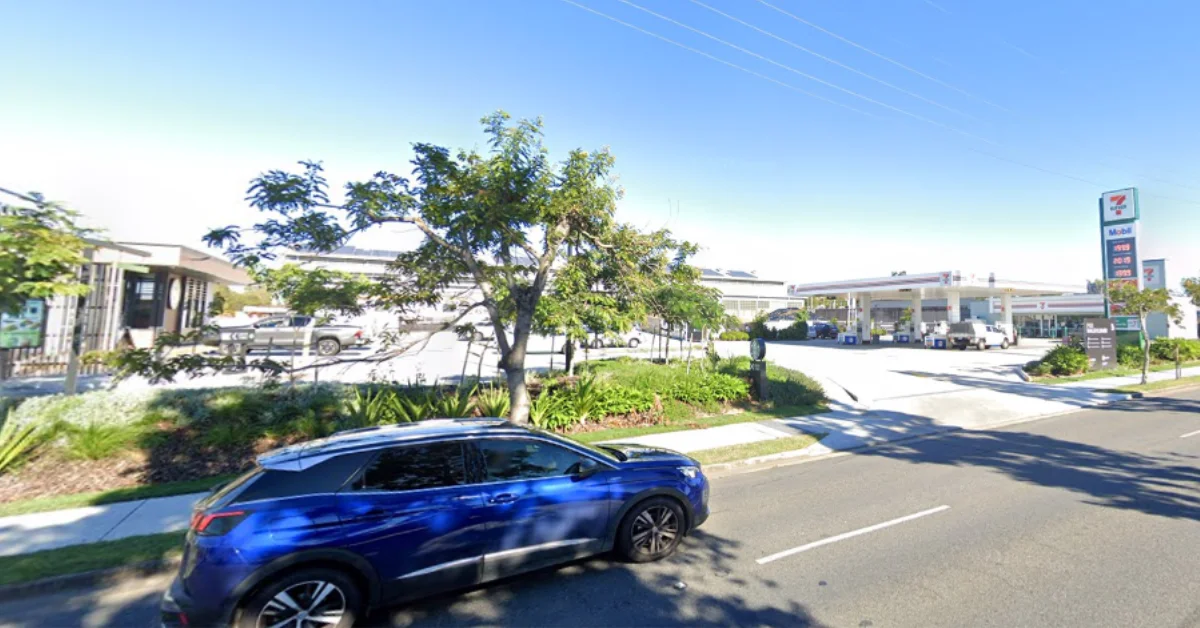
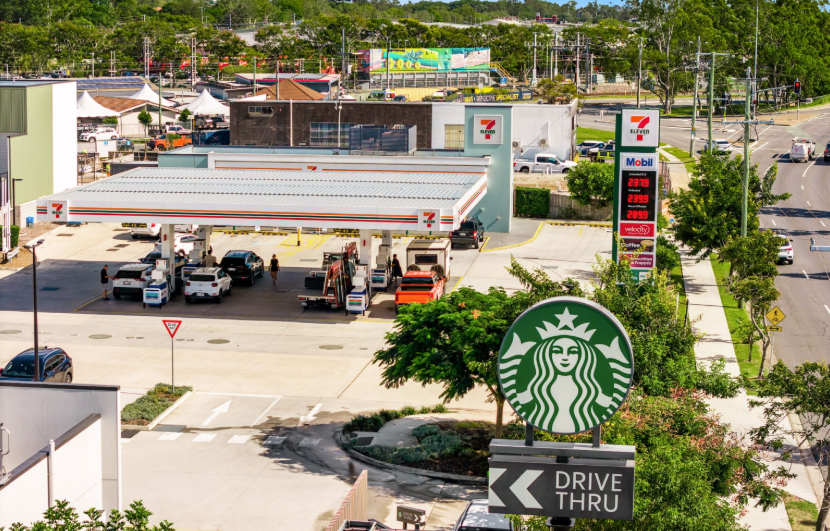
A newly developed retail precinct featuring Starbucks and 7-Eleven in Northgate has officially been placed on the market as part of a national commercial property sales campaign, drawing attention to the changing face of Brisbane’s northern corridor.


The adjoining Toombul Road properties — completed in 2023 by Brisbane developer Deluca — are being offered individually to investors through a campaign managed by Stonebridge Property Group. While the sale itself is aimed at commercial buyers, the development also reflects broader shifts underway across Northgate, where industrial land, commuter traffic and expanding retail services increasingly overlap.

Located about nine kilometres north of the Brisbane CBD, the site sits within one of Brisbane’s busiest transport and logistics corridors, connecting nearby industrial precincts with the Gateway Motorway, Brisbane Airport and surrounding northern suburbs.

Photo Credit: Stonebridge

Toombul Road becoming a key stop for commuters and workers

For many residents and commuters travelling through Northgate each day, the new drive-thru development has become one of the corridor’s most visible recent additions.

Positioned along busy Toombul Road, the precinct is exposed to more than 40,000 vehicles daily, according to marketing material released as part of the sales campaign. The site combines a standalone Starbucks café with an adjoining 7-Eleven fuel and convenience outlet, catering largely to passing commuters, shift workers and nearby industrial employees.

The surrounding corridor has increasingly attracted national retailers and large-format businesses, including Bunnings Warehouse, Officeworks, Supercheap Auto and Petbarn, reinforcing the area’s role as a growing commercial hub within Brisbane’s north.

Photo Credit: Stonebridge

Northgate’s industrial identity continues to evolve

Traditionally associated with warehousing, freight and industrial activity, Northgate has gradually transformed into a mixed-use suburb balancing logistics infrastructure with residential growth and modern retail services.

The suburb’s strategic position between Brisbane’s CBD and airport has made it increasingly attractive for both employers and developers seeking access to major transport links and established workforce catchments.

Nearby facilities operated by companies including Australia Post, Arnott’s and Lite n’ Easy contribute to significant daytime worker movement throughout the precinct, helping drive demand for convenience-based businesses and hospitality services.

At the same time, suburban growth across Brisbane’s north has placed additional pressure on infrastructure and local services, particularly in areas closely connected to major arterial roads.

According to the Statistician’s Office, South East Queensland’s population is forecast to continue growing strongly over coming decades, contributing to increased development activity across middle-ring suburbs such as Northgate.

Commercial sale reflects confidence in Brisbane’s northern corridor

While the Starbucks and 7-Eleven sites are primarily being marketed as long-term commercial investments, the campaign also highlights growing confidence in Brisbane’s northern suburban corridor more broadly.

The properties are being offered separately despite operating as a complementary retail precinct, with the Starbucks site occupying a 2,594 sqm landholding and the adjoining 7-Eleven positioned on a separate corner allotment.

Industry observers say newer convenience-based developments continue to attract strong interest in high-traffic suburban corridors, particularly in areas benefiting from population growth and transport connectivity.


Published 8-May-2026

The Northgate Butcher Who Started With a Horse and Cart: Jack Purcell Meats Closes for Good

A butcher shop that began with a horse and cart on Junior Terrace, Northgate, has served its last cut. Jack Purcell Meats, a name woven into the fabric of Brisbane’s northern suburbs for more than 80 years, has gone into liquidation, bringing the curtain down on a family business that spanned three generations and, at its height, operated 23 shops across the city.


Read: Wavell Heights Butchers Victim of Elaborate Wagyu Fraud


According to an ASIC insolvency notice, Alan Walker of Asset Restructuring Group was appointed liquidator of Snag Pty Ltd ATF the Snag Investment Trust, the entity trading as Jack Purcell Meats, on 30 April 2026. The winding-up process followed a Supreme Court petition by energy retailer AGL Sales Pty Limited, which filed a winding-up application against the company on 26 March. The amount of the alleged unpaid debt has not been disclosed.

From wartime service to neighbourhood institution

Jack Purcell Meats
Photo credit: Google Maps/Marco Tanzi

Jack Purcell served 704 days in the Australian Defence Forces during World War II as an army butcher. Even while in service, he was running a small butcher shop in Miami and another in Currumbin. His father Dan had also operated a butcher store in Currumbin between the wars.

When Jack opened on Junior Terrace in Northgate in 1943, few could have anticipated what would follow. After the war, the business took off. Through the 1950s, 60s and 70s, he built an empire of 23 butcher shops across Brisbane, alongside a Four Square grocery store in Northgate.

By the late 1970s, Jack began winding back, choosing to focus on fewer outlets and serve customers personally at his Northgate and Taigum stores. He retired in 1980, handing the business to his son Paul.

Three generations, one name

Paul Purcell (Photo credit: Jack Purcell Meats)

Paul Purcell spent the next three and a half decades steering the business through considerable change. In the 1990s, he established a meat showroom on Pritchard Road in Virginia, a facility that positioned Jack Purcell Meats as what the business called “Brisbane’s meat specialists.” The showroom offered beef, lamb, pork, poultry, game meats, ham and deli products, marketing itself as a one-stop shop for Brisbane customers.

In 2015, Paul retired and passed the reins to the third generation, his son Adam, continuing an unbroken family line stretching back to Jack’s original Northgate shop.

Tough times for family food businesses

The closure has not happened in isolation. Jack Purcell Meats is the second prominent Queensland family-run food business to collapse in recent weeks, following Brisbane seafood firm A. Raptis and Sons Group, which announced in April it would shut down after administrators were unable to find a buyer, a move that put more than 200 jobs at risk.

Broader economic headwinds have been battering independent food businesses across the country. A chief economist has pointed to rising energy bills and borrowing costs as mounting pressure on business finances, warning they are “likely to result in some increase in insolvencies in the months ahead.” 

A gap in the community

Jack Purcell Meats
Photo credit: Google Maps/Gina Tsai

For residents of Wavell Heights, Northgate, Nundah and the surrounding suburbs, the name Jack Purcell Meats carries real weight. This wasn’t a chain. It was a butcher founded by a local man who came home from war, set up shop in the neighbourhood, and built something lasting.

Details about the number of staff affected, potential sale of assets or the brand, and what creditors might expect to recover remain unclear at this stage. 


Read: Golden Circle: A Sweet Legacy Rooted in Northgate


What is clear is that when a business survives eight decades and three generations of one family, something more than a company has been lost. For many in Brisbane’s north, Jack Purcell Meats wasn’t just where you bought your Christmas ham. It was part of the street furniture of daily life.

Published 7-May-2026