The Wavell Heights Home That Went From Asbestos Nightmare to Suburb Showstopper

A Wavell Heights home that concealed asbestos beneath layers of DIY plasterboard has sold following a renovation described in the listing as arguably the finest the suburb has seen in 2026.


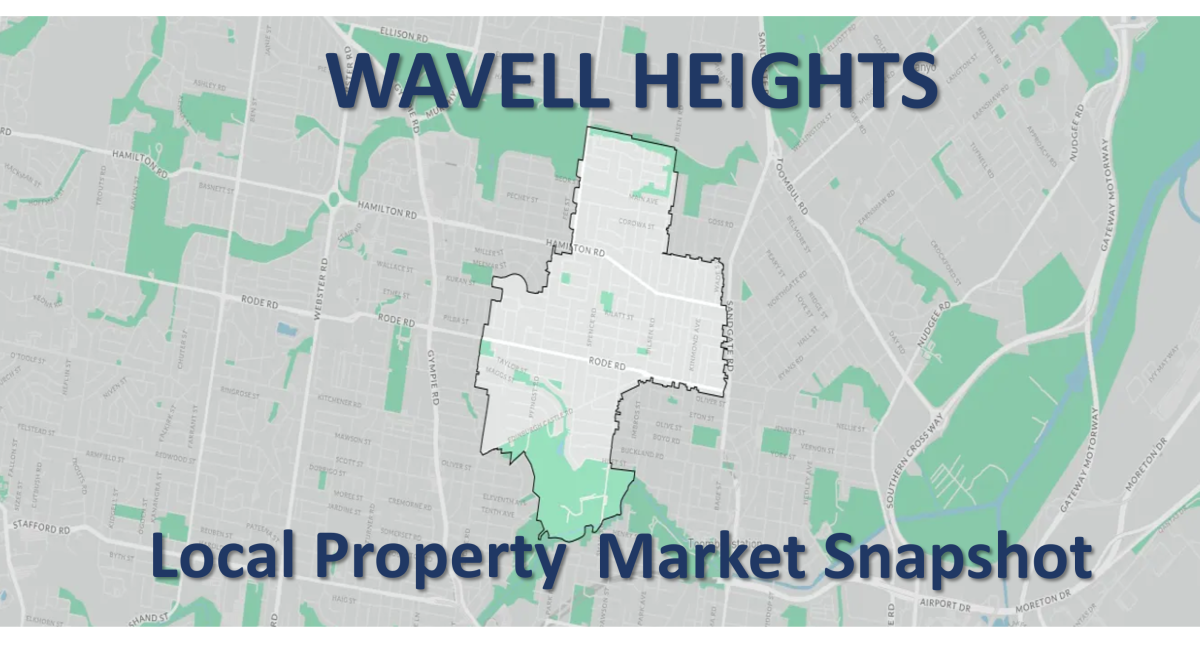
Read: Wavell Heights : Local Property Market Snapshot


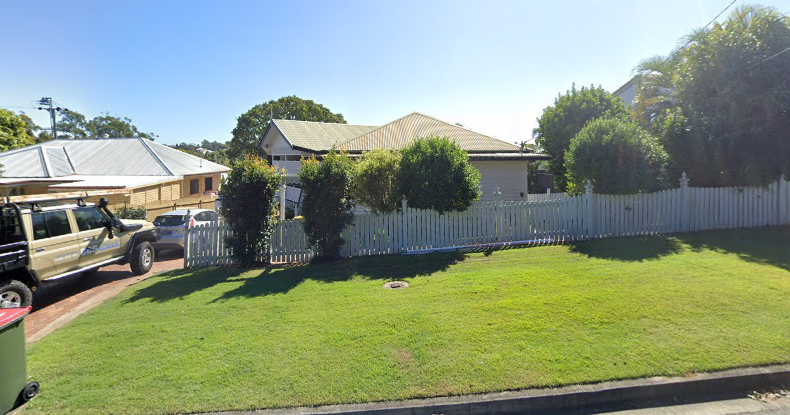
The property at 27 Abbey Street, a classic home on a 635 sqm block, was purchased for $861,500 during the busy pandemic market of 2021 by builder James Briskie and his partner Milli Mitchell. What they uncovered during the renovation presented serious challenges. Previous owners had sheeted plasterboard directly over asbestos-ridden walls, a discovery that added significant complexity to the project.

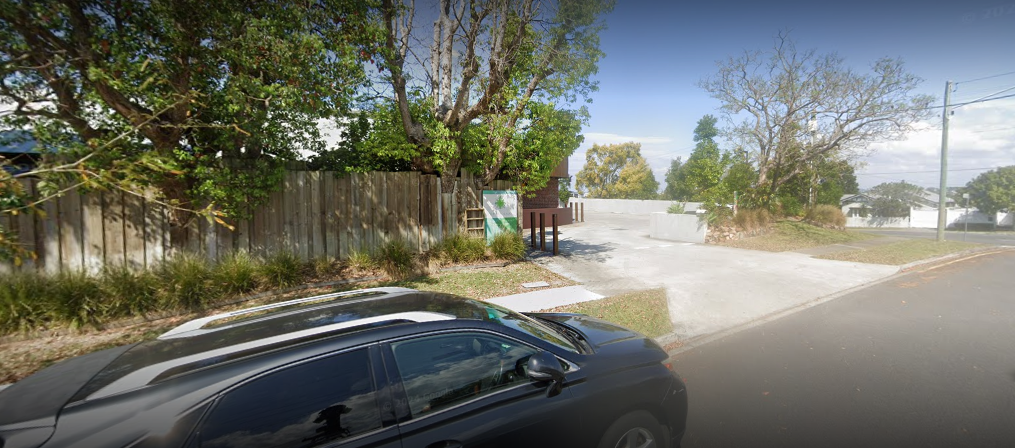
27 Abbey Street in August 2022 (Photo credit: Google Street View)

Mr Briskie, who heads up Briskie Construction Group, drew on his trade contacts and hands-on experience to push through.

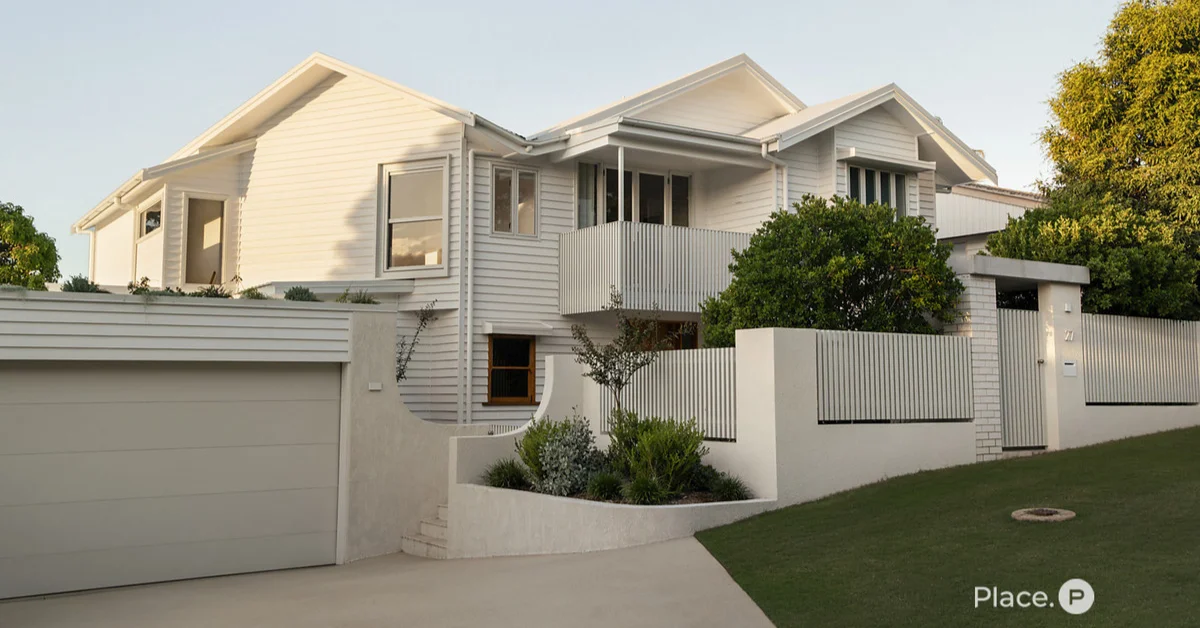
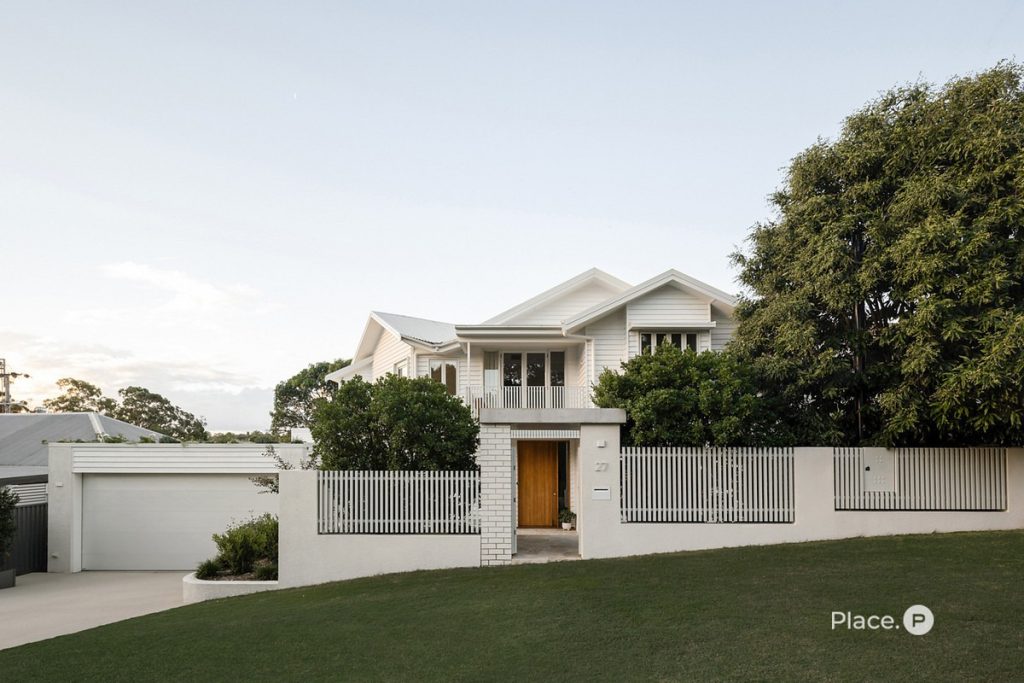
Rather than demolishing the home and starting from scratch, the couple raised the structure and shifted it 2.5 metres across the block, preserving the home’s distinctive 45-degree angled facade, a heritage feature Mr Briskie described as wild and gnarly to work with.

Photo credit: Place Ascot

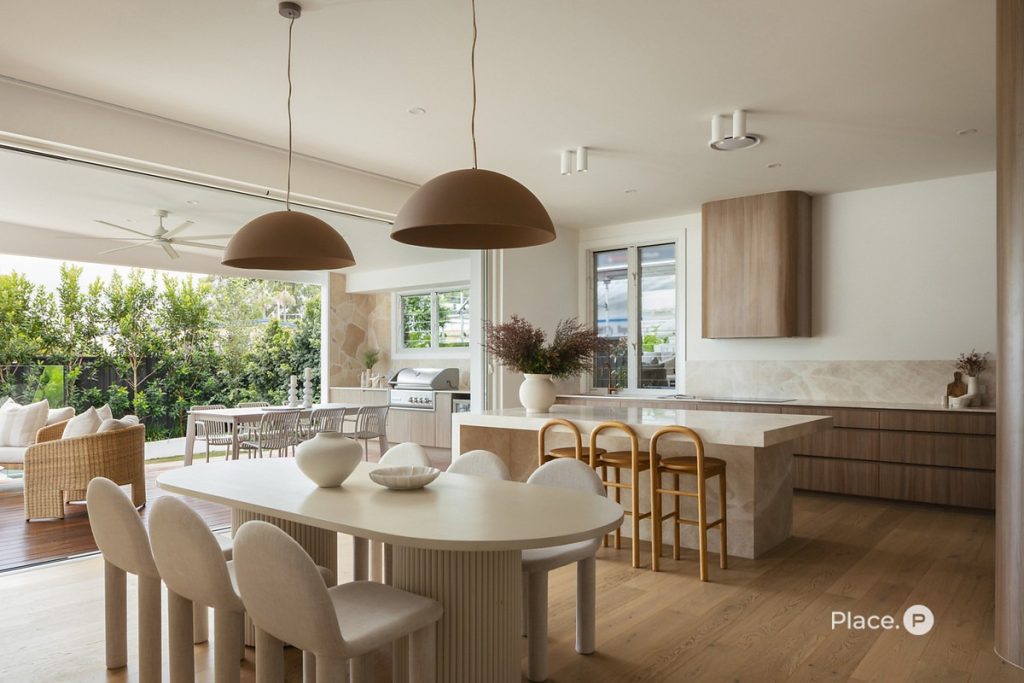
The result is a five-bedroom, three-bathroom residence that balances contemporary luxury with Queenslander character. A standout kitchen anchors the ground floor, featuring curved cabinetry, a 90mm beige marble island bench and a concealed butler’s pantry. 

Wavell Heights Home
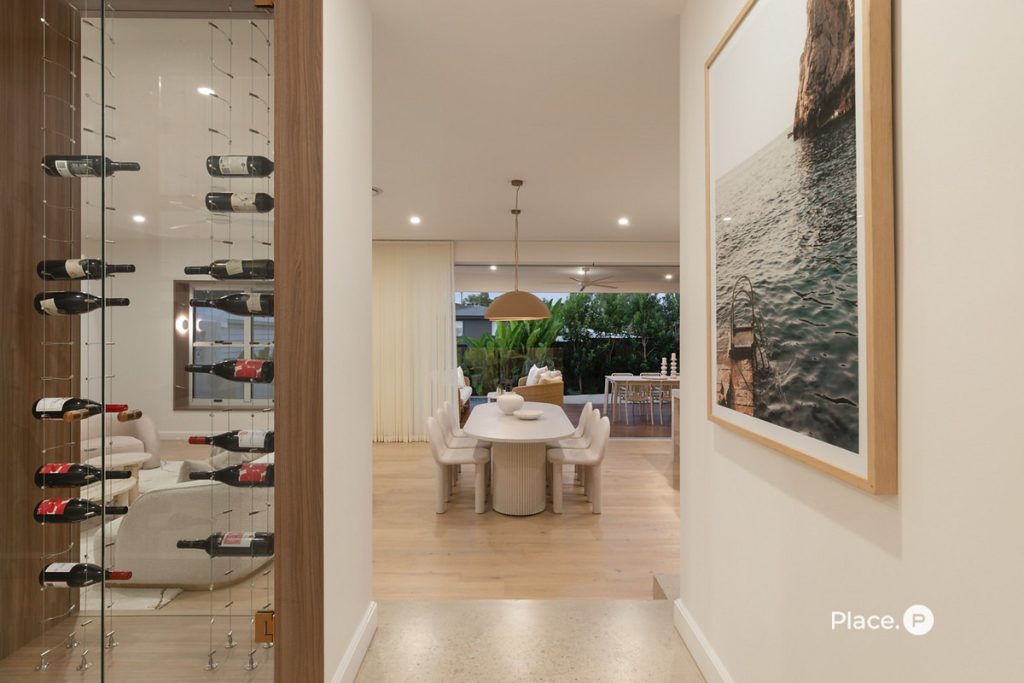
Photo credit: Place Ascot

Open-plan living and dining areas flow through glass sliding doors to an alfresco entertaining space complete with built-in barbecue, a pool and limestone crazy paving. Upstairs, a second living area sits alongside four bedrooms, including a lavish main suite with a balcony, dual walk-in robes and a designer ensuite with standalone bath and dual vanity.

The home was listed through Place agent Drew Davies via a best offers campaign and sold on 19 May.

Wavell Heights Riding a Renovation Wave

Wavell Heights Home
Photo credit: Place Ascot

The sale comes amid a broader trend playing out across Wavell Heights and surrounding northern Brisbane suburbs. PropTrack quarterly data shows the suburb’s median house price has climbed 21 per cent over the past 12 months to $1.58 million. Analysts point to a combination of undersupply, buyer overflow from other markets, and a wave of high-spec renovations as factors underpinning the growth.

New Place Advisory data shows Queensland’s renovation spend has reached $2 billion this financial year to date, with Greater Brisbane responsible for more than half of that at $1.03 billion. Wavell Heights recorded $8.7 million in high-end reinvestment, a notable figure given the suburb’s size relative to larger northern neighbours like Chermside and Clayfield.

Place CEO Damian Hackett said the growing trend of homeowners choosing to upgrade rather than sell was effectively creating a buffer in the market. Renovated stock, he explained, lifts the benchmark for future sales across the board, with suburbs seeing strong renovation activity today likely to outperform over the medium term.

For Mr Briskie, the project carried a personal dimension beyond the numbers. Working his regular client jobs through the week and pouring nights and weekends into the renovation, he was candid about the toll that rising material costs took on the budget, even with the advantage of industry contacts and the ability to carry out much of the work himself.


Read: Pfingst Farmhouse in Wavell Heights: A Local Heritage Treasure


He has spoken about his enjoyment of restoring heritage and character in older homes, and his readiness to pass the finished product on for another family to enjoy. The home retains its Queenslander character on the facade, with the 45-degree angled frontage preserved as a defining feature, while the interiors are unambiguously contemporary. As Mr Hackett noted, that kind of reinvestment does not just benefit the individual owner but lifts comparable sales benchmarks for the wider suburb over time.

Published 4-June-2026

Wavell Heights : Local Property Market Snapshot

Wavell Heights News is delighted to welcome Stefan Blee as our Monthly Local Expert Columnist.

Stefan came from outside the property industry, having had a long career as a chef in various parts of the world.

A former tennis player “until my eyes went bad,” he also continues to support Shaw Park tennis centre.

Very easy to talk to, knowledgeable and oozing integrity, we can see why he was awarded the RMA Agent of the Year for Wavell Heights in 2026.

Stefan Blee Wavell Heights
WAVELL HEIGHTS NEWS: So Stefan, what’s your overview on the Wavell Heights Property Market?
STEFAN: Well, Wavell Heights was once dairy and pineapple farms, subdivision began on a small scale in 1917 then post-war it constantly expanded.

The median age in Wavell Heights has increased from 31 in 1991 to 39.5 in 2026, according to SQM Research for 4012 which also takes in Nundah.

Wavell Heights is now considered on the edge of the Inner North and as such, has to be one of the larger suburbs in North Brisbane.

It measures almost 2.5km from east to west and north to south with 3 strong ridgelines — one with city views; one with northern views; one with western views; and remarkably, there are even some homes in Wavell Heights with bay views. There are also now an increasing number of great family properties outside the ridgeline areas.

The area has a great range of schools with Padua College and Nudgee College catering for boys; St Rita’s and Mt Alvernia for girls; Clayfield College, Wavell Heights State School, and Wavell State High School offering very strong co-ed options.

I started selling in Wavell Heights in 2019. The market has changed so much since then. There are an increasing number of new builds and we have been fortunate enough to sell several of them in recent times.
48 Stadcor Street was our most recent new build sale. It sold after the first open home. 41 Frankit Street and 117 Bilsen Road were two other new builds we have sold recently.

Most of the Wavell Heights housing stock is post WW2, commonly 1950s and beyond, well-built, solid houses on 600-sqm blocks.

Did you know that until 1941 the area we now know as Wavell Heights was then known as West Nundah, until a poll of residents chose to name the area after Field Marshall Archibald Wavell?

The age of the properties here is also a major asset to developers and buyers compared to neighbouring Kalinga and Wooloowin where the character home is more common, requiring a more conservative approach with planning around heritage preservation.

We are just in the process of launching 26 Frankit Street, the 4th home we have listed on Frankit Street, which has a lovely streetscape.

While Field Marshall Archibald Wavell provided the name for the area, early German settlers called the Pfingst family bought 10 acres as far back as 1866 for 10 pounds, then after the land had been handed down through the family, a farmhouse was built on what was known as Hillcrest Avenue in 1936.

Hillcrest Avenue was renamed in 1975 to be Highcrest Avenue. Pfingst Road connecting Rode Road to Hamilton Road was named after the family.
Stefan Blee
Stefan Blee Agent of the Year

The Property Market


12-Month Analysis

Monthly median sale price

May 2025 – May 2026
Median price
Mean price
Sales volume
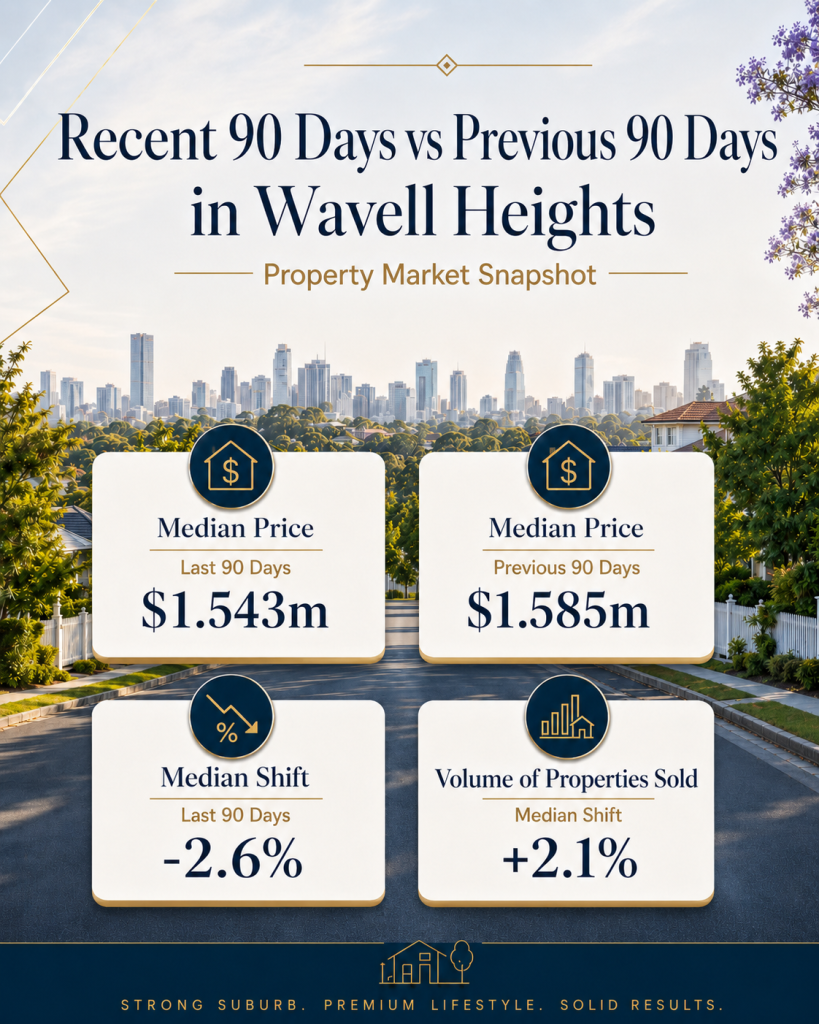
Period median $1.54M
Period high Aug ’25 · $1.75M
Period low Sep ’25 · $1.32M
Total sales 230
Drag to zoom date range Full period
Seasonal pattern: Aug 2025 peak ($1.75M) aligns with typical Brisbane spring premium. The Sep dip to $1.32M reflects spring-entry lag before a Nov–Feb recovery phase. May 2026 softness partly reflects unregistered recent settlements.

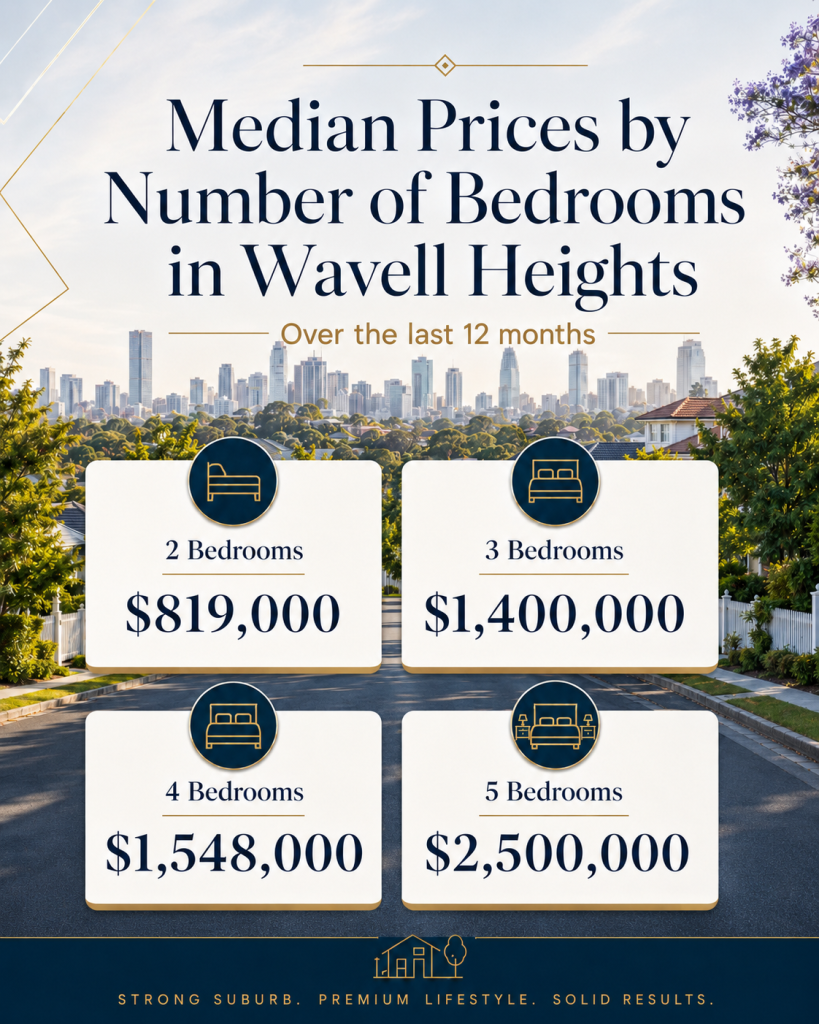
Median price by bedroom count

12-month · 213 priced sales with bedroom data
Dominant type 3-bed · 86 sales
5-bed premium vs 4-bed +61%
5-bed premium vs 3-bed +79%
Entry point (2-bed) $818.5K
Two distinct buyer pools: The step from 4-bed ($1.548M) to 5-bed ($2.5M) is not incremental — it’s a 61% premium jump representing an entirely different segment. 3-bed at $1.4M remains the volume sweet spot (40% of all sales).

Median price by land size

12-month · 224 sales with land area data
Most common size 600–700 m² · 100 sales
Median block (suburb) 607 m²
400–500m² vs 500–600m² +25% premium
400–500 m² anomaly: Subdivided lots in this range ($1.805M median) outperform the larger 500–600 m² tier ($1.443M) by 25%. Likely reflects newer builds and knock-down-rebuild demand attracting a premium over older stock on bigger blocks.

Days on market distribution

12-month · 185 sales with DOM data
Median DOM 27 days
Mean DOM 50 days
Sold within 30 days 55% of sales
Longest sale 370 days
Bimodal market: The sharp cluster under 30 days (101 sales, 55%) points to correctly priced properties moving fast. The long tail beyond 90 days (25 sales, 14%) reflects overpriced listings that eventually find their level — pulling the mean well above the median.
Wavell Heights QLD 4012 · Generated May 2026

Some Development Applications in Wavell Heights

Click on the pins to view the details. Click +/- to zoom in/out

Published 30-May-2026

Stefan Blee is a Proud Promotional Partner of Brisbane Suburbs Online News

Note: This article is based on data from publicly available sources at the time of publication and is intended for general information only. Readers should conduct their own research and seek independent advice before making any property decisions.

Pfingst Farmhouse in Wavell Heights: A Local Heritage Treasure

Sitting quietly on Highcrest Avenue, the Pfingst Farmhouse is a well-loved link to the early days of Wavell Heights.

Built in 1936 by Friedrich George Pfingst, this classic Queenslander-style home has witnessed the suburb’s transformation over the years.

A Slice of Wavell Heights History 

The Pfingst story starts with Hermann Pfingst, who arrived from Germany in 1863 aboard the Beausite. A few years later, in 1866, he bought 10 acres of crown land in what was then called German Station. The area was home to German settlers who had followed missionaries to Zion’s Hill back in 1838.

Mr Pfingst’s land, known as Portion 580, stayed in the family. However, by July 1927 Mr Pfingst passed away and by 1932, Friedrich George Pfingst took ownership and built the farmhouse in 1936. It was positioned facing what was then Hillcrest Avenue (now Highcrest Avenue) and became the centre of the family’s smaller property.

The Farmhouse’s Classic Design 

The Pfingst Farmhouse ticks all the boxes of classic Queenslander architecture: elevated stumps for airflow, timber walls, and a corrugated iron roof. These weren’t just design choices—they were practical solutions for dealing with heat, humidity, and heavy rains.

The wide verandahs and weatherboard construction give the home its timeless character while keeping the space cool and breezy during Brisbane summers. It’s a design that’s both smart and charming, a reflection of early 20th-century craftsmanship.

Why It’s Heritage-Listed 

In 2003, the Pfingst Farmhouse was officially listed as a Local Heritage Place. This recognition celebrates both its architectural value and its connection to one of Wavell Heights’ early pioneering families.

After World War II, the suburb saw major changes. In 1946, most of the original 10-acre farm was acquired by the Queensland Housing Commission for new residential development. The farmhouse and remaining land stayed with the Pfingst family until 1957.

More Than Just a House 

The Pfingst Farmhouse isn’t just an old building—it’s a piece of Wavell Heights’ story. Its design speaks to a time when homes were built with care and intention, and its history highlights the resilience of one family who helped shape the suburb.

For locals, it’s more than just a landmark—it’s a reminder of where Wavell Heights came from. And for those who love history, it’s a rare example of the city’s interwar architecture still standing strong.

Pfingst Farmhouse renovation
Photo Credit: RayWhite
Pfingst Farmhouse blueprint
Photo Credit: RayWhite

The farmhouse recently changed hands, with the sale managed by real estate agent David Treloar of Ray White. As Wavell Heights continues to grow and change, the Pfingst Farmhouse remains a quiet connection to the suburb’s roots—a storybook in timber and tin for those who stop to notice.

Published 28-May-2026

Wavell Heights Carries Brisbane’s Long Sporting Tradition

On winter mornings across Brisbane’s northside, the day often starts before the sun fully rises. Floodlights flicker on over empty fields. Volunteers unlock clubhouses. Parents arrive balancing coffee cups and folding chairs while children in oversized jerseys run across damp grass. For decades, organised weekend sport has been a visible part of life in and around Wavell Heights.


Long before Brisbane became known for riverside apartments and Olympic venues, the northside was developing a strong suburban sporting culture. Rugby league, rugby union, cricket, football, bowls, tennis and basketball all found space here, creating a network of clubs and sporting grounds that became part of everyday life.

Today, suburbs like Wavell Heights and its adjacent areas like Nundah, Kedron and Virginia still carry traces of that identity. Sporting clubs remain spread across the area, linked through parks, school competitions and long-running community participation.

The result is a part of Brisbane where organised sport became deeply woven into suburban life.

Sporting Fields Became the Centre of Suburban Life

Like many Brisbane suburbs, Wavell Heights expanded rapidly after World War II as families moved north into newly developing residential areas. Large residential blocks, open green spaces and expanding school networks helped support organised community sport.

But the northside’s sporting identity was not built by one club or one code alone.

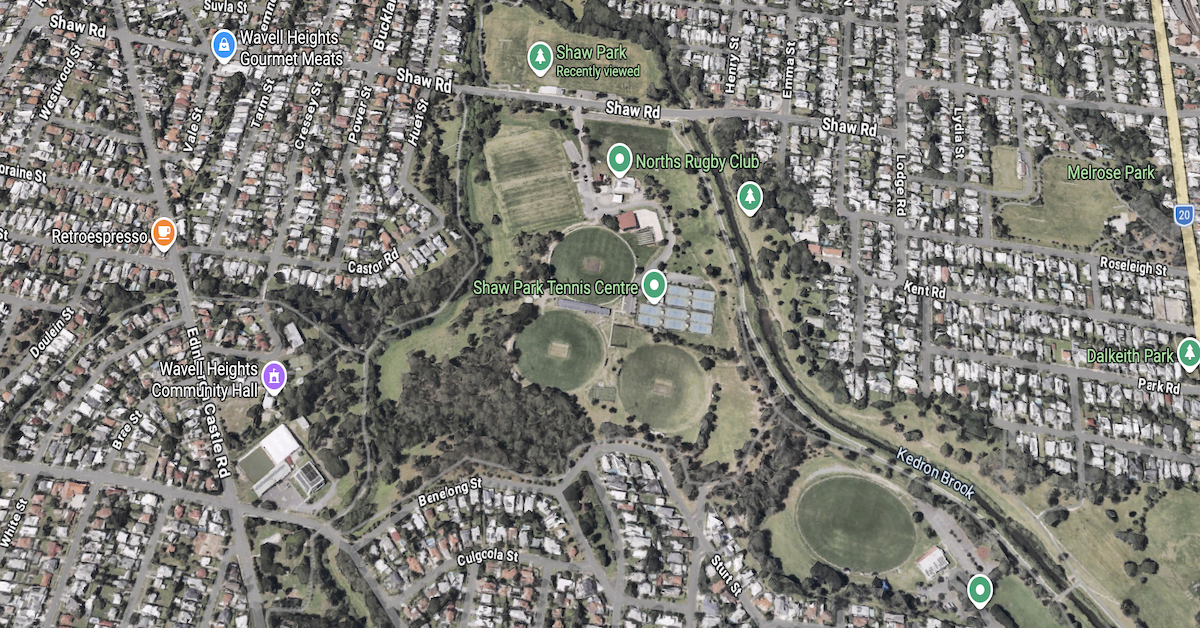
Instead, it grew through clusters of grounds and community facilities that slowly became woven into suburban life. Areas around Shaw Road and Shaw Park developed into sporting corridors where multiple sports operated side by side across different seasons.

The concentration of nearby facilities meant families often had access to multiple sports within only a few kilometres, and this helped shape the rhythm of the suburb itself.

Rugby League Helped Shape Northside Identity

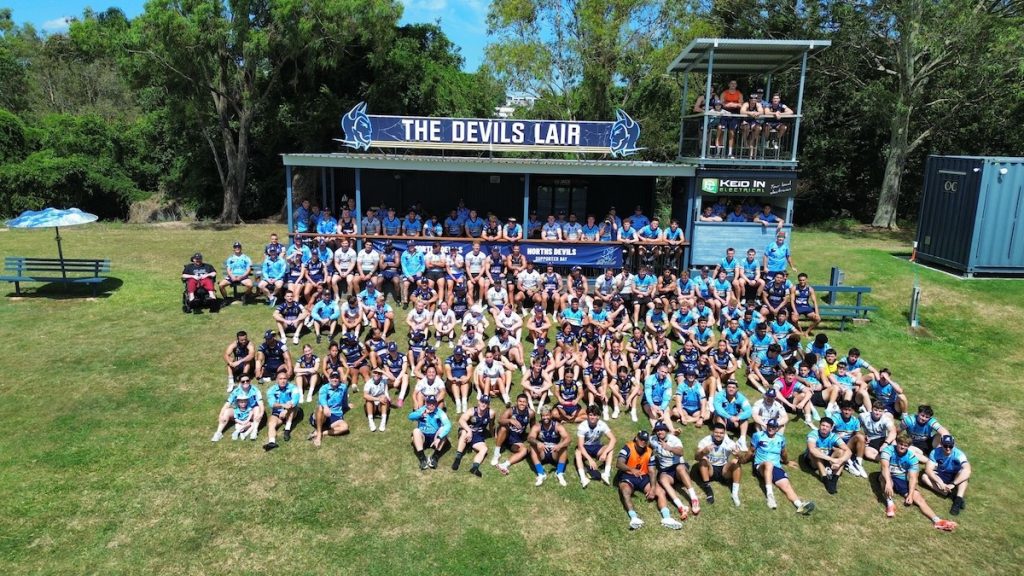
Among the area’s best-known institutions is the Norths Devils, one of Queensland’s oldest rugby league clubs. Founded in 1923, the club became closely tied to Brisbane’s northern suburbs as district rugby league competitions expanded through the twentieth century.

The Devils grew beyond football alone. Like many suburban leagues clubs across Queensland, the organisation evolved into a broader social hub that supported local sport, dining and community events.

The modern Norths Devils Leagues Club describes itself as a centre for community connection on Brisbane’s northside. That model has become increasingly important as many community clubs face rising operating costs and volunteer pressures.

Shaw Road Became a Sporting Corridor

Few roads better capture the area’s sporting culture than Shaw Road.

Within a relatively small stretch of the northside are rugby grounds, cricket facilities, tennis courts and school sporting venues that continue to host competitions throughout the year.

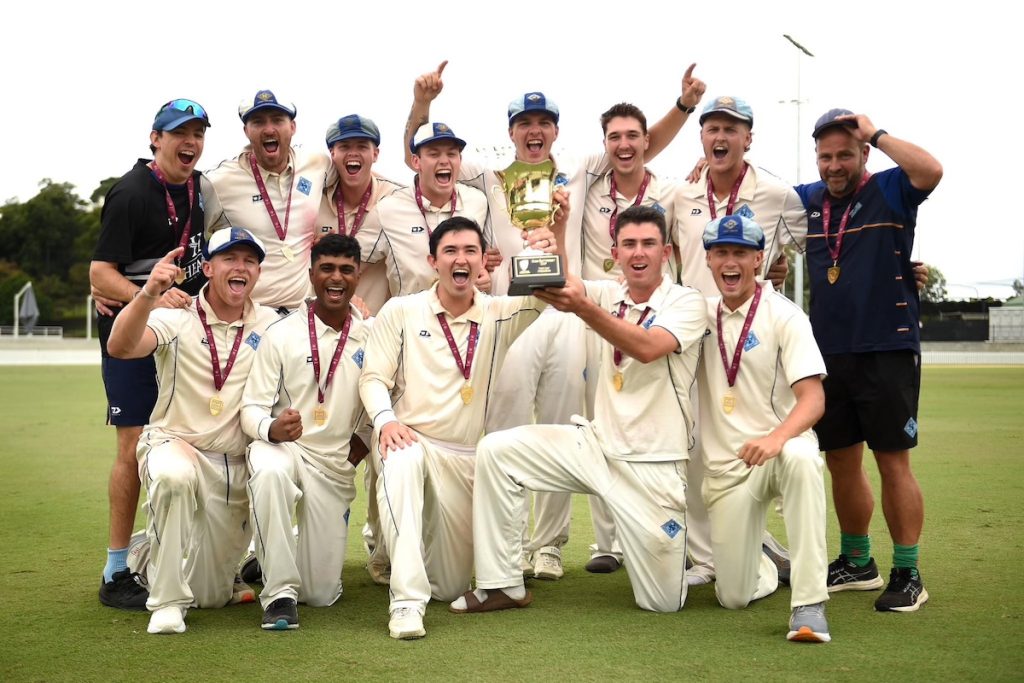
Norths Rugby Club at Hugh Courtney Oval remains one of the suburb’s most recognisable rugby institutions. Nearby, the Northern Suburbs District Cricket Club and Ian Healy Oval reflect the area’s longstanding connection to organised cricket.

Just down the road, the Shaw Park Tennis Centre adds another layer to the precinct, supporting both junior participation and social competition.

Together, these venues created more than sporting infrastructure. They helped build a shared suburban routine where organised sport became part of growing up.

For many northside families, weekends were structured around fixtures, training sessions and local competitions that repeated year after year.

Football and Basketball Changed the Sporting Landscape

As Brisbane’s population changed, so did the sporting culture of the northside.

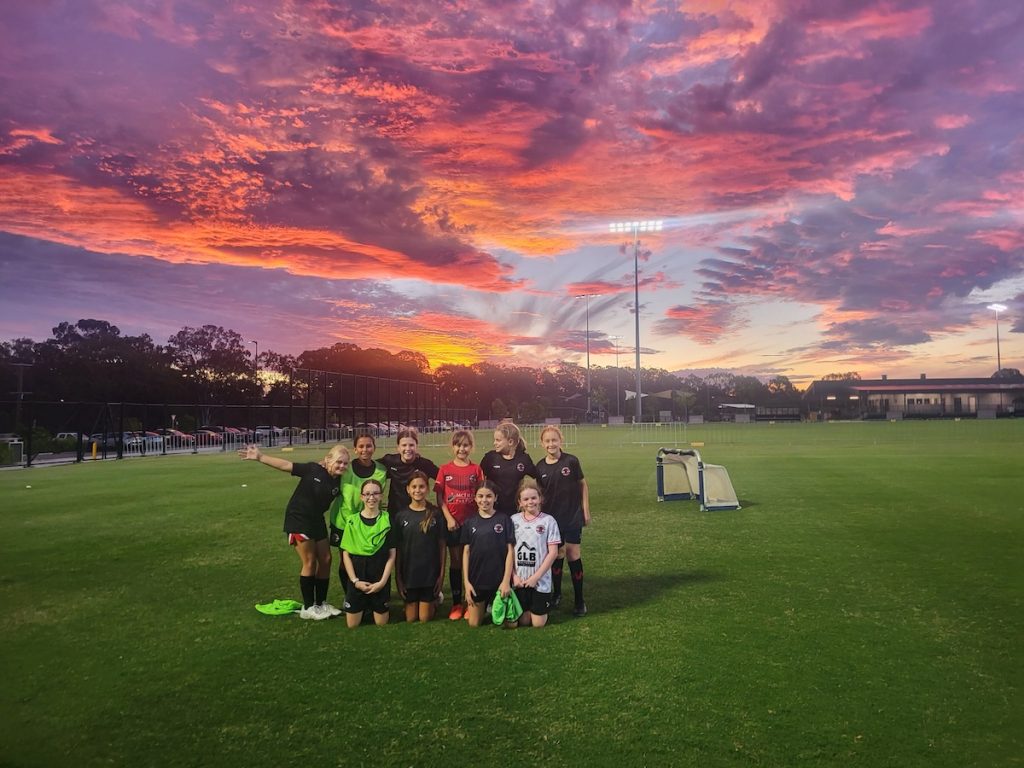
The growth of clubs such as Virginia United Football Club reflected football’s increasing popularity across Brisbane. Junior football participation expanded across the region, adding another dimension to an area already heavily shaped by rugby league and cricket.

Basketball has also become more visible in recent years. Organisations including the Northside Wizards and junior programs operating through Wavell Heights and nearby suburbs show how indoor sport has grown alongside traditional field sports.

Rather than replacing older sporting traditions, these clubs expanded the northside’s sporting identity into something broader and more diverse. The result is a sporting culture that now stretches across seasons, age groups and communities.

Bowls Clubs Preserved Older Forms of Community Life

While junior sport often dominates weekend traffic, older institutions still remain important parts of the local landscape.

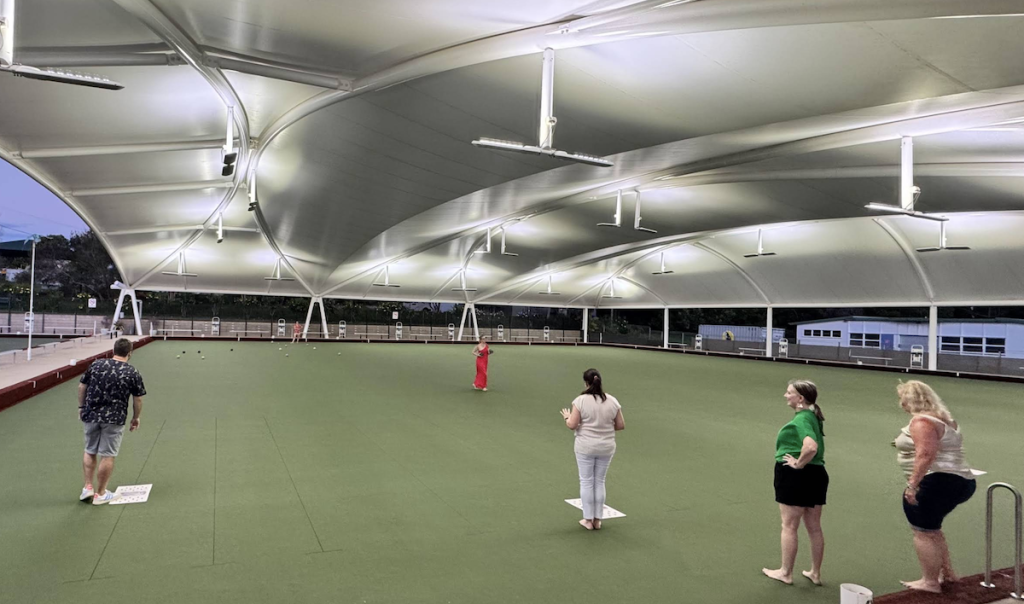
The Northern Suburbs Bowls Club has operated in Wavell Heights for decades, representing a slower and more social side of suburban sport.

Bowls clubs once played a major role in Brisbane community life, particularly for older residents seeking local social spaces close to home. Many also relied heavily on volunteers and long-term membership networks.

Although suburban Brisbane has changed significantly, clubs like Northern Suburbs Bowls Club still reflect an earlier version of community life built around face-to-face gathering and local participation.

Schools Helped Sustain the Sporting Culture

Sport on Brisbane’s northside was never limited to private clubs.

Schools also played a major role in reinforcing the area’s sporting identity. Regional competitions, school carnivals and junior representative pathways helped connect local fields to broader Queensland sporting systems.

Northside venues continue to be used for regional school competitions and this shows how deeply embedded the sporting infrastructure remains today.

Even as Brisbane grows denser and lifestyles become busier, the concentration of clubs, parks and sporting grounds across Wavell Heights and nearby suburbs continues to shape community life in practical ways.

The Sporting Identity Still Shapes the Northside

Modern Brisbane looks very different from the suburban city that expanded after the war.

Community sport now competes with a wider range of activities and schedules. Clubs face rising costs, while volunteer numbers are often harder to maintain than they once were.

Yet the sporting identity of Brisbane’s north has not disappeared.

On most weekends, the fields around Wavell Heights still fill with players, parents, coaches and spectators moving between grounds across the district. The clubs remain constantly evolving, but they continue to provide places where communities physically gather.

That may be why suburbs like Wavell Heights still feel closely tied to sport even after decades of urban change.

The northside was not simply a place where sporting clubs happened to exist. In many ways, suburban life grew around them.


Published 27-May-2026

Maroons Heartbreak As Blues Rip Origin I Away In Stunning Sydney Comeback


MATCH REPORT

Published 27-May-2026


Devastating for the Maroons at Accor Stadium in Origin I.

Kalyn Ponga’s sending off in a decision that immediately sparked controversy proved an enormous turning point. Andrew Johns was critical of the decision during commentary. It swung hard-fought momentum against Queensland, and the Blues produced an extraordinary final-minute play, with James Tedesco catching, juggling and grounding Nathan Cleary’s bomb.

For much of the night, Queensland looked in control.

Not just ahead on the scoreboard — in control of the contest itself. Their line speed was sharp, their middle forwards were winning collisions, Harry Grant was asking questions around the ruck, and Sam Walker, on debut in the most pressurised arena the game can offer, looked remarkably composed.

Then Origin did what Origin does.

It twisted.

A night that had looked set to become a major statement for Billy Slater instead became a brutal lesson in how quickly interstate football can turn when momentum shifts and belief takes hold.

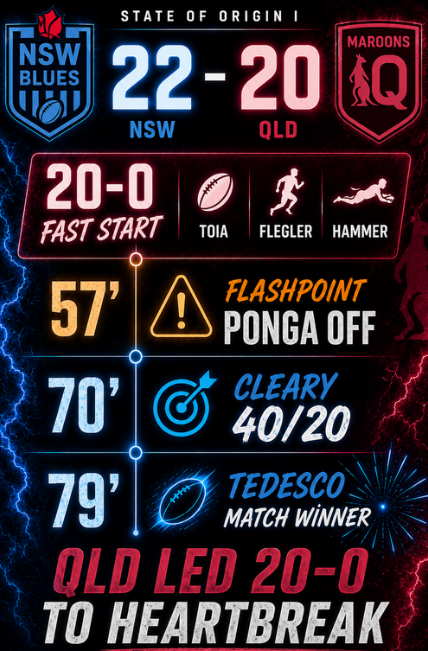
Queensland led 20-0 after 20 minutes. They were still 20-6 ahead deep into the second half. And yet somehow, they walked away beaten 22-20.

That is the sort of loss that lingers.

Queensland Landed Every Early Blow

If there were doubts about Ponga getting the nod over Reece Walsh, or whether Walker was ready for this level, Queensland answered them quickly.

Robert Toia struck first in the ninth minute after early pressure forced the Blues into errors, and Walker converted.

It got worse for New South Wales from there.

Thomas Flegler, all aggression and direct running, punched through in the 14th minute after Queensland had started owning the middle. Selwyn Cobbo had already done damage with a strong carry in the lead-up, and the Blues suddenly looked rattled.

A few minutes later, Hamiso Tabuai-Fidow crossed as Queensland continued to punish sloppy New South Wales football.

Walker never missed.

By the time he added a penalty goal in the 20th minute, the Maroons were 20-0 up, and Accor Stadium had gone from loud to uneasy.

Queensland weren’t just scoring. They were dictating the terms.

Munster was playing direct. Grant was probing. Tino Fa’asuamaleaui and Flegler were bending the line. Even defensively, the Maroons looked connected and aggressive.

At that point, it genuinely felt like the Blues were in serious trouble.

New South Wales Hang Around

Origin, though, rarely gives you a clean night.

Hudson Young’s try in the 27th minute finally gave the Blues something tangible to work with, trimming the margin to 20-6 after Cleary’s conversion.

Even then, Queensland still looked the more settled side.

They defended repeat pressure well enough and took that lead into half-time without looking especially rattled. But if you were watching closely, there were hints the game was changing shape.

The Blues had started to spend more time in Queensland territory. Their attack still lacked polish, but the game had become less comfortable than the scoreboard suggested.

And once that happens in Origin, strange things tend to follow.

The Turning Point That Changed Everything

The defining moment came just before the hour mark.

Ponga was sent off for a shoulder charge in a decision that immediately lit up debate.

Whether you agreed with it or not, the practical effect was obvious. Queensland suddenly had to survive a critical passage under enormous pressure, a man short, against a side that had finally found some rhythm.

The Blues took advantage.

Ethan Strange crossed in the 62nd minute after Stephen Crichton’s break opened the Maroons up, although Cleary’s missed conversion meant Queensland still had breathing room at 20-10.

But the feel of the match had changed completely.

The crowd sensed it. The Blues sensed it. Queensland, perhaps, sensed it too.

Cleary’s 40/20 in the 70th minute was the moment the pressure became suffocating. It was a champion’s play, the kind that flips field position and emotional momentum in one strike.

Seconds later, he backed it up by slicing through himself.

20-16.

Now the Maroons were no longer managing a lead. They were trying to survive.

Queensland Let The Game Slip

The temptation will be to make this all about the Ponga send-off.

It was enormous. Lose a player in Origin, against a side with Nathan Cleary pulling the strings, and the pressure changes instantly.

But Queensland still had chances to steady themselves.

Instead, just when composure mattered most, the mistakes crept in.

Robert Toia lost the ball. Harry Grant conceded a costly penalty. Selwyn Cobbo came up with an error. Jojo Fifita spilled possession.

None of those moments, on their own, decide a match.

Together, though, they handed New South Wales exactly what it needed — territory, repeat sets, and belief.

That’s how these games can turn. Not always in one dramatic flash, but in small moments where control slips away and suddenly the team chasing starts to smell something.

By the time Cleary launched that final bomb, Queensland no longer looked like a side closing out a win. They looked like a side trying desperately to survive.

And when Tedesco somehow came down with it — juggling, regathering, grounding — it felt like the kind of moment Origin keeps in its vault for years.

Queensland will argue the turning point. They’ll replay the send-off. They’ll point to what might have been.

But the harder truth is this: they had this game.

And they let it get away.


Published 26-May-2026


Origin Opener Set For Sydney Showdown As New-Look Maroons Eye Early Blow

The first round of Origin is here.

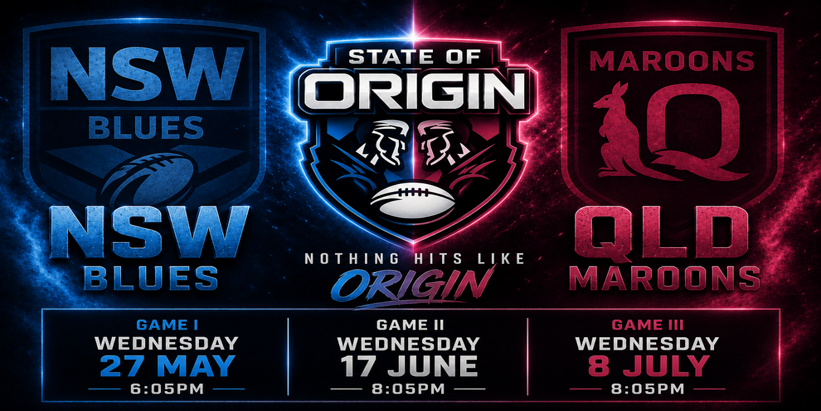
For 2026, State of Origin starts at Accor Stadium in Sydney, before heading to the MCG for Game II and Suncorp Stadium for the decider.

The 2026 State of Origin series is the 45th edition of the men’s interstate best-of-three rivalry, with Queensland entering the campaign holding the historical edge — 25 series wins to New South Wales’ 17, with two series drawn.

For the Maroons, Kalyn Ponga has been selected over Reece Walsh by Billy Slater, while Sam Walker makes his Origin debut in place of the injured Tom Dearden. Max Plath debuts, with Jojo Fifita and Briton Nikora earning their first Maroons selections.

For the Blues, James Tedesco keeps Dylan Edwards out at fullback, while Laurie Daly has opted for Tolutau Koula out of position on the wing ahead of Zac Lomax and Jacob Kiraz. Injury to Mitchell Moses means Ethan Strange will start, while Addin Fonua-Blake finally gets his Origin debut.

The Maroons have won only two of their past 10 Origin games in Sydney, although one of those victories came last year.

Can Queensland pressure Strange enough to cut off quality ball to Nathan Cleary?

New South Wales appears to hold the upper hand through the middle, but Pat Carrigan and Tino Fa’asuamaleaui will relish that challenge.

Cleary versus Walker. Strange versus Munster.

Can Harry Grant put the Maroons on the front foot with his creativity around the ruck?

Can Max Plath and Hamiso Tabuai-Fidow reproduce their Dolphin’s NRL form on the Origin stage?

This shapes as a classic Origin arm wrestle, with Queensland having won six of the past 10 series.

The game will be broadcast live on 9Now, with kick-off at 8.05pm.

New South Wales Blues

  1. James Tedesco
  2. Brian To’o
  3. Stephen Crichton
  4. Kotoni Staggs
  5. Tolutau Koula
  6. Ethan Strange
  7. Nathan Cleary
  8. Addin Fonua-Blake
  9. Reece Robson
  10. Mitch Barnett
  11. Hudson Young
  12. Haumole Olakau’atu
  13. Isaah Yeo

Interchange

  1. Cameron Murray
  2. Victor Radley
  3. Jacob Saifiti
  4. Blayke Brailey

Extended squad

  1. Casey McLean
  2. Dylan Lucas
  3. Matt Burton

Coach

Laurie Daley


Queensland Maroons

  1. Kalyn Ponga
  2. Selwyn Cobbo
  3. Robert Toia
  4. Hamiso Tabuai-Fidow
  5. Jojo Fifita
  6. Cameron Munster
  7. Sam Walker
  8. Tom Flegler
  9. Harry Grant
  10. Tino Fa’asuamaleaui
  11. Reuben Cotter
  12. Kurt Capewell
  13. Max Plath

Interchange

  1. Briton Nikora
  2. Lindsay Collins
  3. Patrick Carrigan
  4. Trent Loiero

Extended squad

  1. Ezra Mam
  2. Gehamat Shibasaki
  3. Kulikefu Finefeuiaki

Coach

Billy Slater

Hundreds of Riders Gather in Geebung for Motorcycle Safety Night

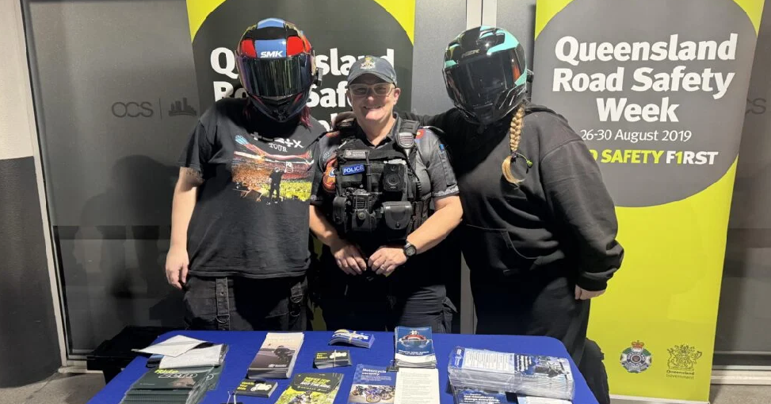
More than 200 motorcyclists joined police and road safety agencies at Bike Night in Geebung on Friday, 22 May, as part of National Road Safety Week.

Hosted by North Brisbane District Police, the event focused on motorcycle safety, rider awareness and theft prevention, with officers sharing new resources aimed at helping riders stay safe both on the road and when securing their bikes.

Highway Patrol motorcycle officers attended alongside representatives from the Department of Transport and Main Roads, giving riders the chance to ask questions and discuss road conditions, riding behaviour and common risks facing motorcyclists.

The event also featured community engagement activities and safety displays, creating what police described as a relaxed environment for riders and authorities to connect over a shared goal of improving road safety.

Police used the event to reinforce broader messaging around personal responsibility on Queensland roads during National Road Safety Week, which ran from 17 to 24 May.

Officers urged riders and drivers to think carefully about the choices they make behind the wheel or handlebars, including speeding, distraction and riding while impaired or fatigued.

The campaign also tied into Fatality Free Friday on 29 May, with police calling on Queenslanders to reflect on behaviours that contribute to serious crashes and road fatalities.

Motorcyclists remain among the most vulnerable road users in Queensland, with police continuing to focus heavily on rider education and awareness initiatives across Brisbane’s northside.

Published 23-May-2026

Top Marks for Wavell Heights in Brisbane Childcare Ratings

In Brisbane’s wealthiest postcodes, parents are learning that high property values and disposable income don’t always translate into high-quality early education. A recent review of 50 childcare centres across the city’s most affluent suburbs revealed a surprising disconnect between postcode prestige and childcare performance — but one suburb, Wavell Heights, is quietly setting a different standard.

Situated just north of Brisbane’s CBD, Wavell Heights has long been admired for its leafy streets, family-friendly vibe, and strong community spirit. Now, it’s making headlines for another reason: the exceptional quality of its childcare services.

While many high-income areas struggled to deliver top-tier ratings, Wavell Heights stood out, with three centres—Wavell Heights Kindergarten, Penola Casa, and Building Futures Montessori securing an Excellent rating — one of the highest possible under the KindiCare Quality Index. 

Penola Casa

Photo credit: Google Street View

91 Rode Rd, Wavell Heights
KindiCare rating: 9.3 / 5 stars

Of all the parenting decisions so far, putting our daughter into Penola has been the best one. It is an outstanding centre with a very big heart (and a HUGE new playground). The management and educators have been terrific, and they have very good staff longevity. It has been four wonderful years and we will greatly miss the Penola chapter in our lives!

Joanne Morgan

Wavell Heights Kindergarten

Photo credit: Wavell Heights Kindergarten – C&K/Facebook

Cnr Edinburgh Castle Rd and Cressey Street, Wavell Heights
KindiCare rating: 9.0 / 5 stars 

Our daughter spent her Kindy year at WHK and we couldn’t have made a better decision sending her to WHK. The staff is very friendly, open and extremely caring for the kids. The education and play they are doing was always enjoyable and well organized. The children in her class room bonded very nicely and we are still in touch with them. We can 100% recommend this Kindy

Janett G

Building Futures Montessori

Photo credit: Building Futures/Facebook

33 Brae Street, Wavell Heights
KindiCare rating: 8.9 / 4.3 stars

A wonderful centre that has a ‘home away from home’ feel. The staff are very kind and nurturing, and deliver high quality Montessori educational programs. Our child is thriving at the centre and we are delighted to be part of the Building Futures Montessori community.

Samantha Dando

This independent national ranking draws on official government assessments and parent feedback, offering a snapshot of how well childcare providers are meeting the needs of young families.

In contrast to suburbs like Clayfield, where only one centre reached Excellent while others lagged behind, Wavell Heights is showing what’s possible when strong leadership, community engagement, and consistent quality standards come together.

These ratings don’t just reflect compliance with regulations; they signal environments where children are thriving, staff are supported, and families feel confident in their choice of care. It’s a notable achievement in a city where even premium suburbs aren’t guaranteed top performance.

Still, the suburb isn’t without its challenges. One of its services did receive the lowest possible rating of Fair, underscoring that even in top-performing areas, there’s room for improvement and vigilance is required.

Overall, Wavell Heights’ strong showing serves as a quiet reminder that quality doesn’t always follow the money and that communities investing in early education can deliver real value for their youngest residents, regardless of postcode prestige.

As Brisbane families weigh up their childcare options, Wavell Heights is proving that excellence is less about affluence, and more about getting the fundamentals right.

Published 21-May-2026

Engineering Meets Nature: Wavell Heights’ Essential Stormwater Channel
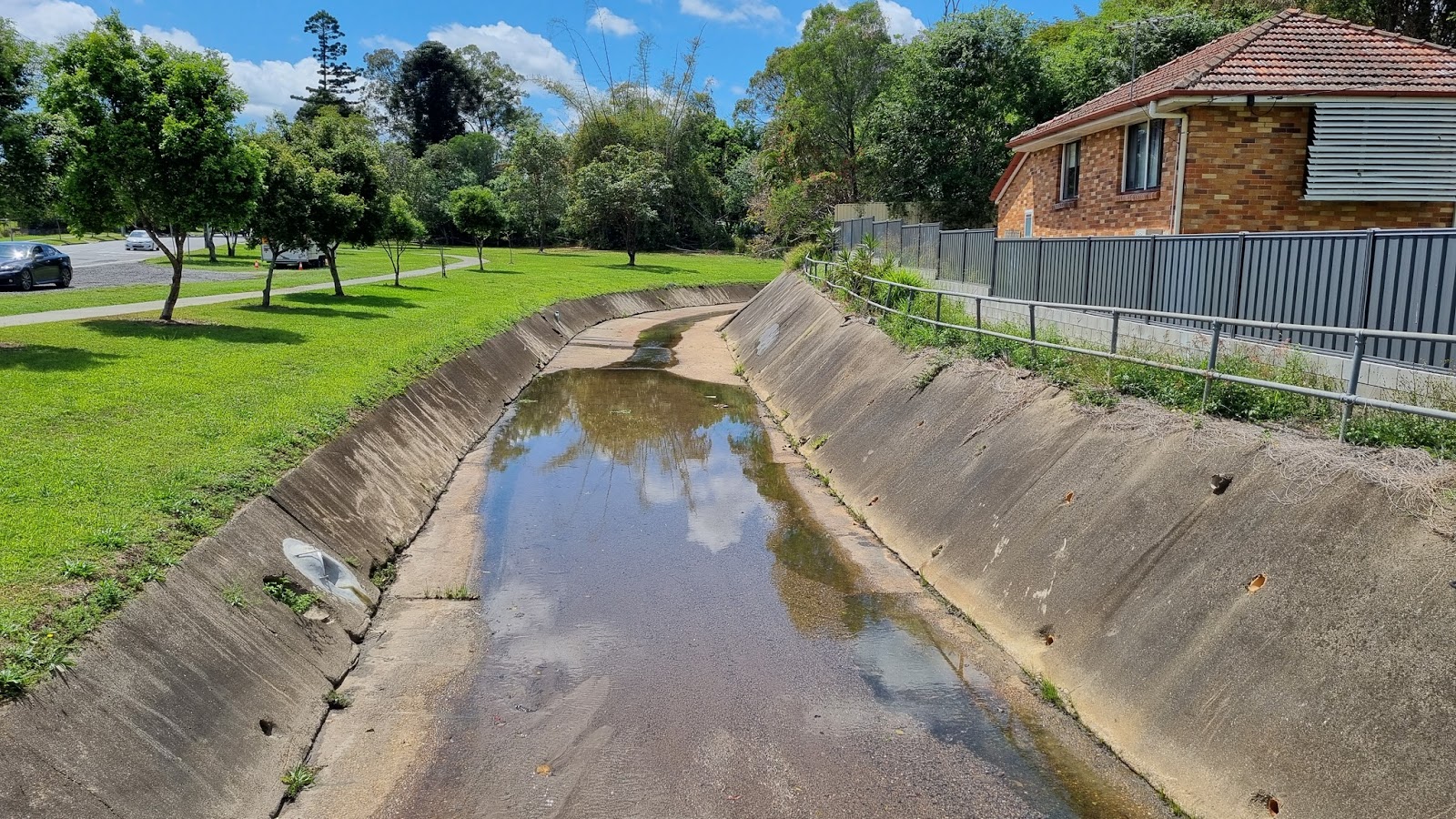
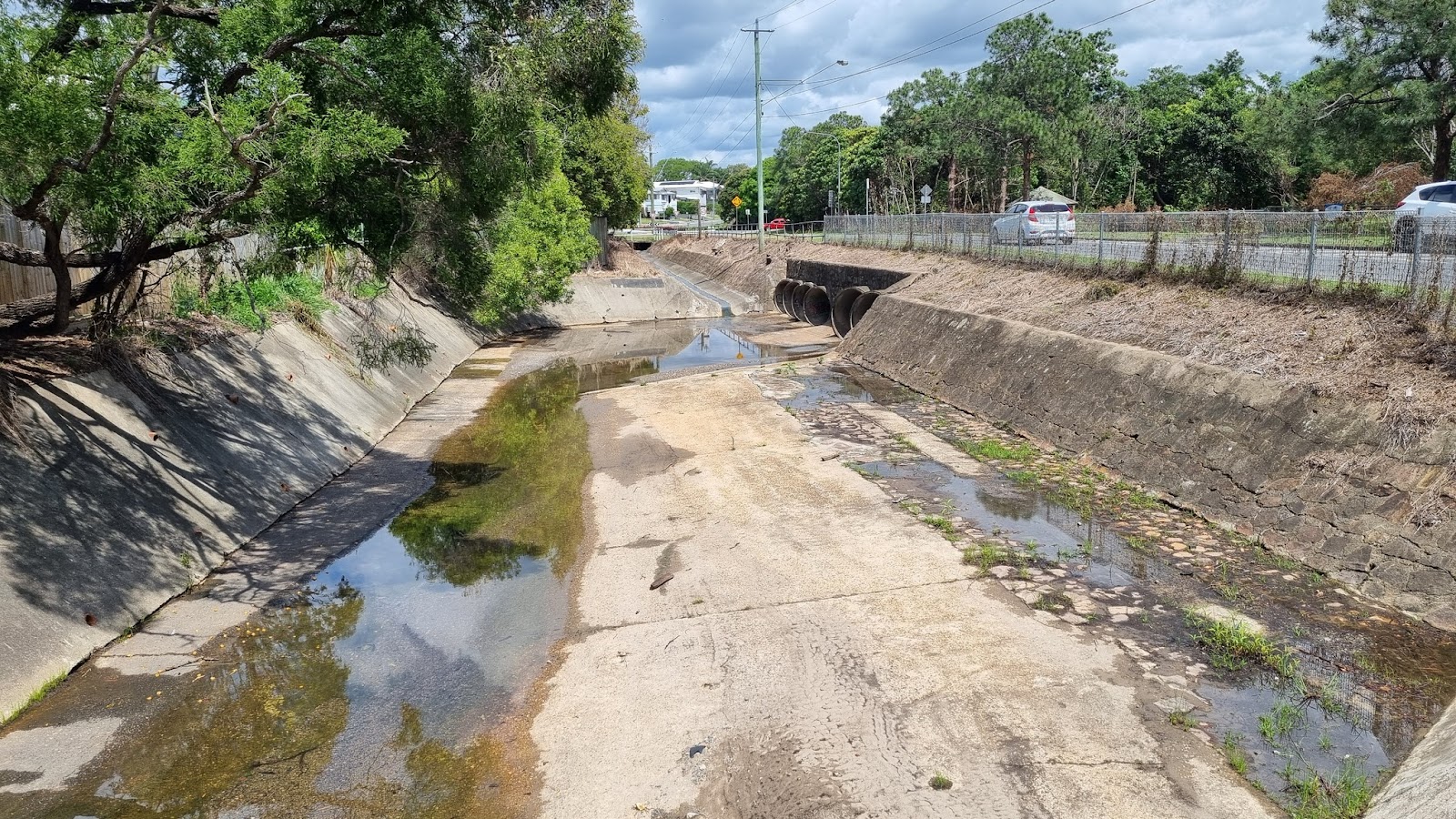
Along Edinburgh Castle Road in Wavell Heights, an unassuming yet crucial piece of infrastructure plays a vital role in the suburb’s flood management system. This open stormwater channel, while often overlooked by passing residents, serves as a critical link in the area’s water management infrastructure.


Read: Locals Welcome Proposed Cannery Creek Sewer Upgrade

Engineering for Urban Water Management

The channel’s sophisticated design incorporates multiple intake points, showcasing thoughtful urban planning. Two rectangular culverts direct upstream flows into a smaller channel, which then feeds into a larger collection area. Adding to its capacity, six large circular culverts contribute additional water flow to the main channel.

Photo credit: Flood Smart Engineering/Facebook

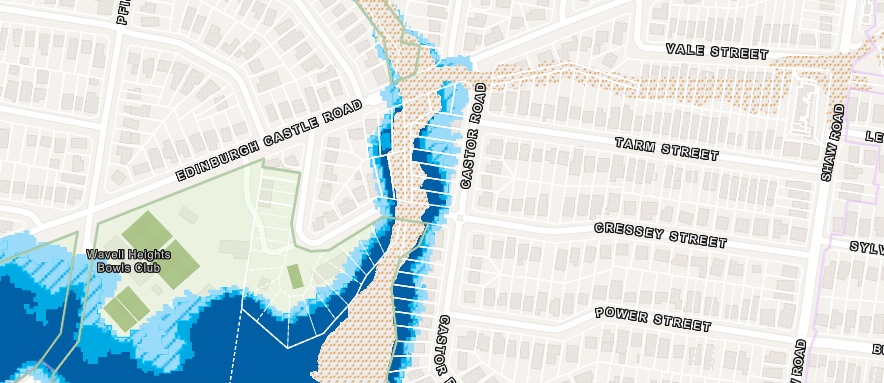
This carefully engineered system isn’t just about moving water—it’s part of a larger water management strategy. The channel efficiently channels stormwater runoff through Wavell Heights before discharging into Kedron Brook, ultimately finding its way to the bay. This natural flow path helps prevent flooding in surrounding areas while maintaining the natural water cycle.

Photo credit: Brisbane Online Flood Map

The channel is a key component of the Kedron Brook catchment area, which has recently gained attention due to Brisbane’s flood map. These updates highlight the critical nature of such infrastructure in managing urban water flow, particularly during severe weather events.

Infrastructure That Works

Photo credit: Flood Smart Engineering/Facebook


Open stormwater channels like the one in Wavell Heights represent a blend of natural and engineered solutions to urban water management. While they might appear as simple ditches to the casual observer, these channels are carefully designed structures that serve multiple purposes:

  • Managing stormwater runoff from surrounding areas
  • Preventing local flooding during heavy rainfall
  • Facilitating natural water flow to larger waterways
  • Supporting local ecosystem functions

Read: Blooming Passion: The Thriving World of Aspley Orchid Society in Wavell Heights


As Brisbane continues to develop and face changing weather patterns, infrastructure like the Edinburgh Castle Road channel becomes increasingly important in maintaining urban resilience and protecting communities from flood risks.

Updated 8-May-2026

Two Nurses in Wooloowin Reveal How Healthcare Has Changed

Inside a Wooloowin aged care home near Wavell Heights, two nurses from different generations are sharing stories that show how dramatically healthcare has changed over the past 60 years. One remembers treating patients during the final years of the polio epidemic, while the other now works with electronic medical records and ongoing digital training in modern aged care.


International Nurses Day is held annually on May 12.

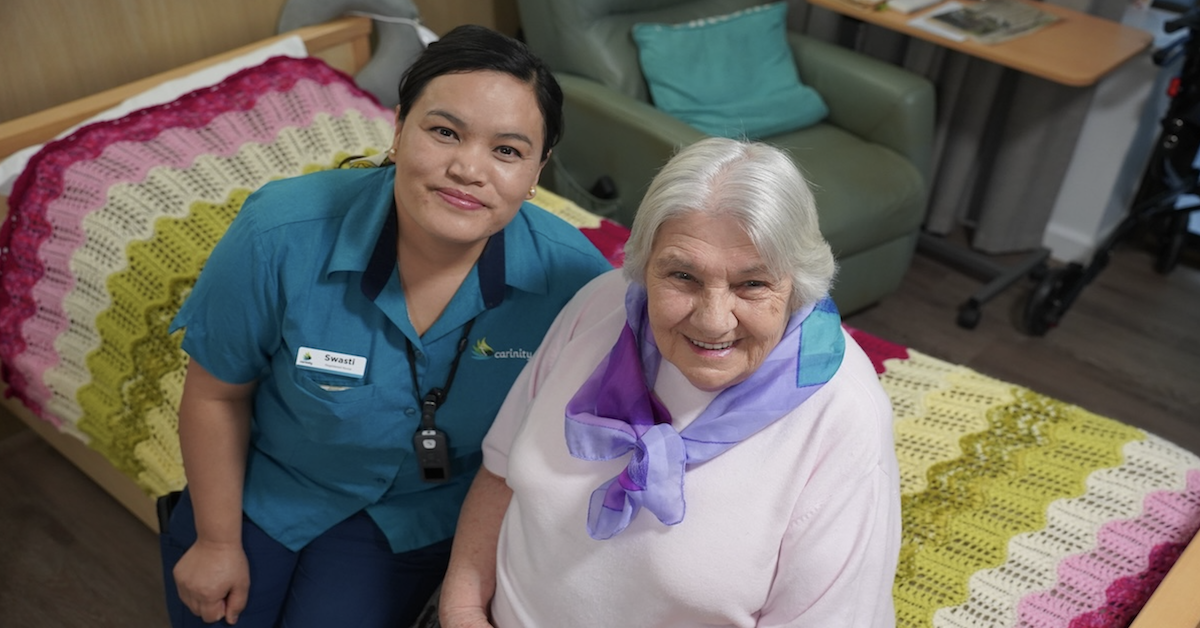
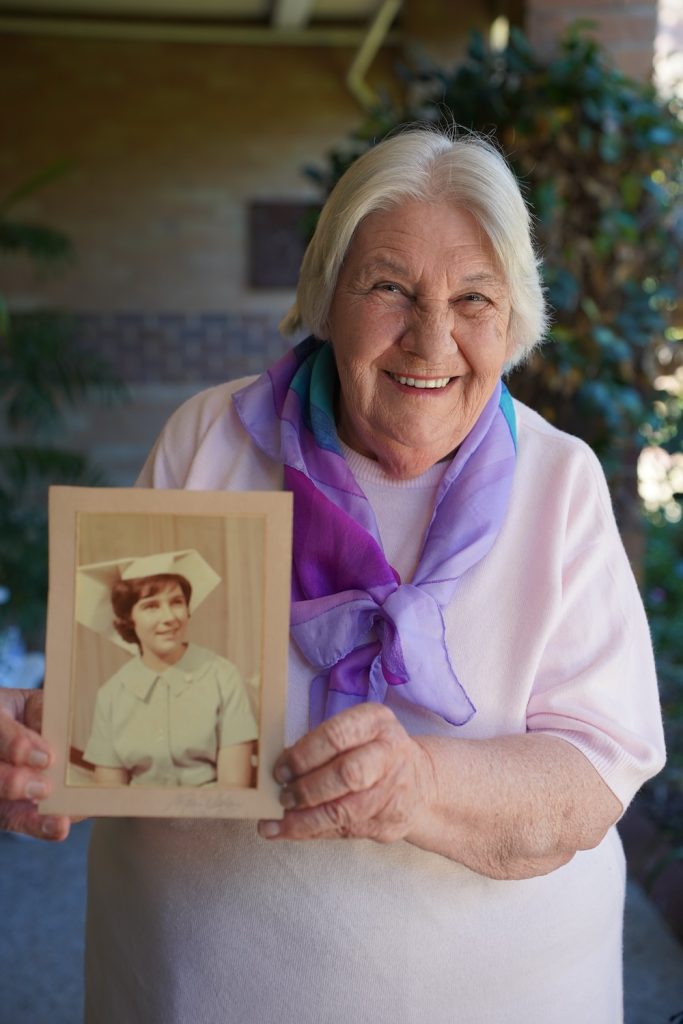
The contrast between the experiences of former nurse Marjorie Davidson and clinical nurse Swasti Gurung has become part of daily life at Carinity Clifford House in Wooloowin, where both women have spent time caring for older Australians in different stages of their careers.

Davidson began nursing in 1959, entering hospitals at a time when disposable medical equipment did not exist and infectious disease wards still treated tuberculosis and meningitis patients.

She recalled working with iron lungs during the final years of the polio epidemic and sterilising reusable needles over boiling water heated by wood stoves. Hospital workers also manually cleaned large copper tubs used for infected linen during afternoon shifts.

Photo Credit: Supplied

From remote clinics to Brisbane’s northside

After starting her career in Victoria, Davidson spent 13 years nursing in remote parts of Papua New Guinea, caring for patients suffering from malaria, chest infections and severe skin diseases.

Medical conditions in isolated areas were difficult, with limited supplies and long distances between communities. Crocodiles and heavy mosquito populations were common around the clinics where she worked.

Many of the tools younger nurses rely on today were unavailable at the time.

Now retired and living in Wooloowin, Davidson has watched nursing shift from handwritten paperwork and reusable equipment to computer systems and advanced medical technology.

A new generation enters aged care

For Gurung, nursing followed a very different path.

She started her career in Nepal before moving to Australia and retraining for aged care work in Brisbane. Before joining the Wooloowin facility, she worked in hospital wards assisting with endoscopy and colonoscopy procedures.

Gurung now works in a healthcare system built around digital records, regular technology updates and lifting equipment designed to improve safety for both staff and residents.

She said aged care nursing created opportunities to build lasting relationships with older residents while hearing stories from earlier generations.

That connection between past and present has become one of the defining parts of life inside the Wooloowin facility.

International Nurses Day shines light on changing profession

Healthcare workers across Australia are preparing to recognise International Nurses Day this month, with aged care staff in Brisbane’s north reflecting on how quickly the profession has evolved within a single generation.

At the Wooloowin home, stories from nurses trained decades apart continue to cross paths each day — from tropical clinics using sharpened needles to modern facilities relying on digital healthcare systems.


Published 12-May-2026

E-Scooter Safety Concerns Continue Across Wavell Heights and Brisbane’s Northside

E-scooters remain a familiar sight around Wavell Heights and neighbouring northside suburbs, but ongoing concerns about rider behaviour, speed and serious injuries continue to fuel debate about how safely the devices are being used in suburban areas.

A Queensland-led study involving trauma specialists and researchers found a significant number of riders injured in crashes were travelling above the legal 25km/h speed limit, with many presenting to hospital emergency departments with head and facial injuries.

The findings have kept pressure on policymakers and safety advocates to examine whether current rules, infrastructure and protective equipment are keeping pace with the rapid growth of e-scooter use across Brisbane.

Speed and rider behaviour remain key concerns

The study, supported by RACQ and clinicians at the Royal Brisbane and Women’s Hospital, identified a strong connection between higher speeds and more severe injuries.

Researchers found privately owned e-scooters were more frequently linked to serious crashes, prompting renewed discussion around compliance with speed restrictions and rider behaviour.

Medical professionals involved in the research have continued to stress the importance of basic safety measures, including wearing helmets, avoiding riding while impaired and slowing down in shared pedestrian areas.

For suburbs like Wavell Heights, where scooters regularly move through local shopping strips, suburban streets and shared pathways, concerns have centred on how riders interact with pedestrians, cyclists and motorists in tighter community spaces.

Questions raised about helmet protection

Although helmet use among riders is relatively common, specialists say many injuries still involve significant facial trauma caused by riders being thrown forward during crashes.

That has sparked wider discussion about whether standard bicycle-style helmets provide enough protection for higher-speed e-scooter use.

Some safety advocates have pushed for stronger protective gear, including full-face helmets, particularly for privately owned devices capable of travelling faster than rental scooters.

Safer scooter designs under discussion

Attention has also turned to scooter design itself, with seated e-scooters increasingly being explored as a potentially safer alternative to traditional stand-up models.

The lower centre of gravity offered by seated scooters is believed to improve stability and reduce the likelihood of riders being thrown forward during sudden stops or collisions.

Some operators have already trialled seated models in parts of Brisbane, although transport groups note the larger designs may not suit every urban environment or pathway network.

Infrastructure still seen as a major factor

Beyond rider behaviour, advocacy groups including Bicycles Queensland continue to argue that safer infrastructure is critical to reducing crashes and conflicts.

Dedicated lanes, clearer separation between pedestrians and riders, and better-maintained pathways remain central to discussions about improving safety outcomes across Brisbane suburbs.

In areas across the northside, including Wavell Heights and surrounding communities, the growing use of micro-mobility for short trips has increased pressure on existing shared pathways and local transport connections.

A debate likely to continue

As e-scooter use becomes more common across Brisbane’s northside, the debate appears to be shifting away from whether the devices belong in suburban communities and toward how they can be integrated more safely.

With riders, pedestrians, councils, researchers and transport authorities all weighing in, questions around speed, infrastructure and rider responsibility are likely to remain part of the conversation for some time yet.

Published 10-May-2026

Source: Jamieson Trauma Institute study findings and associated stakeholder commentary