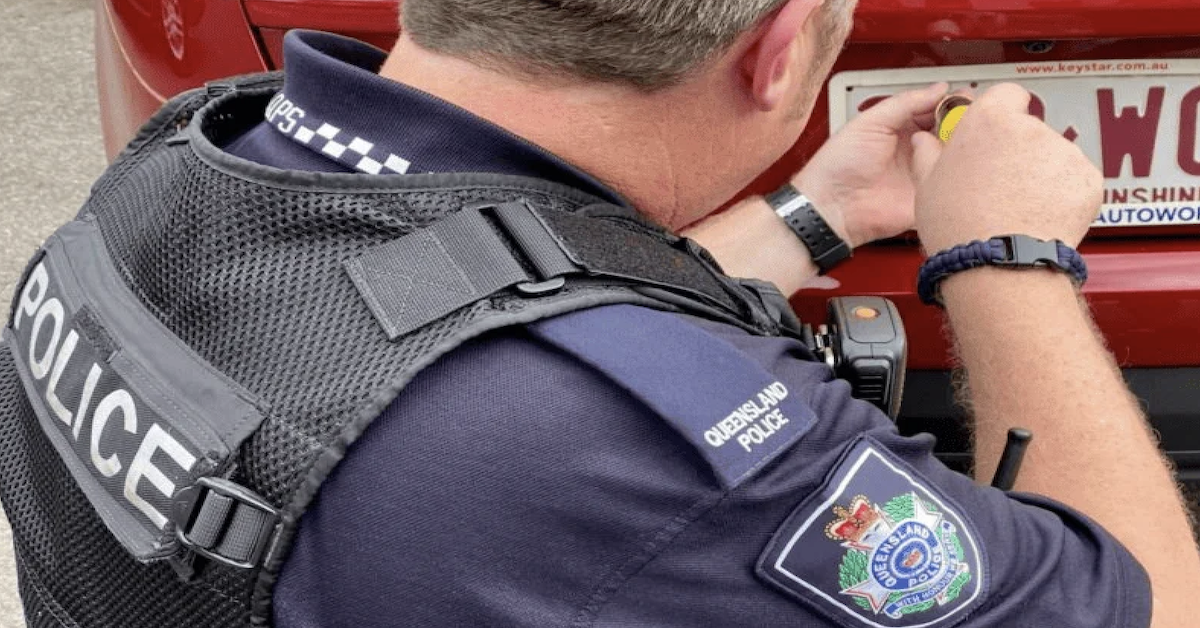
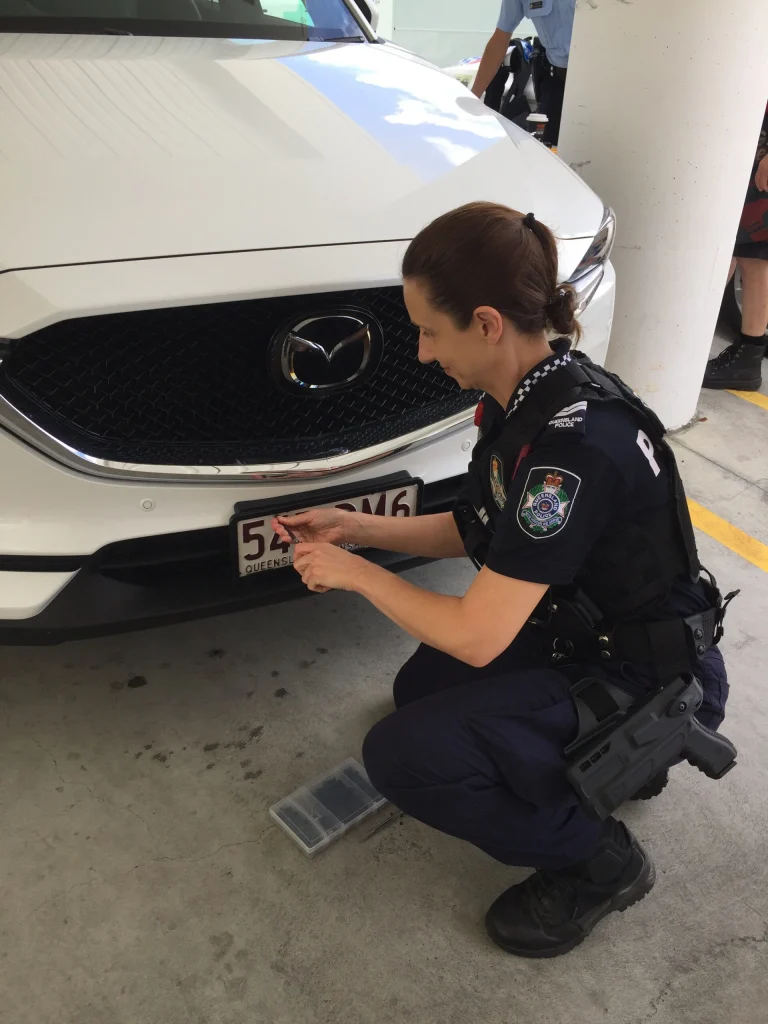
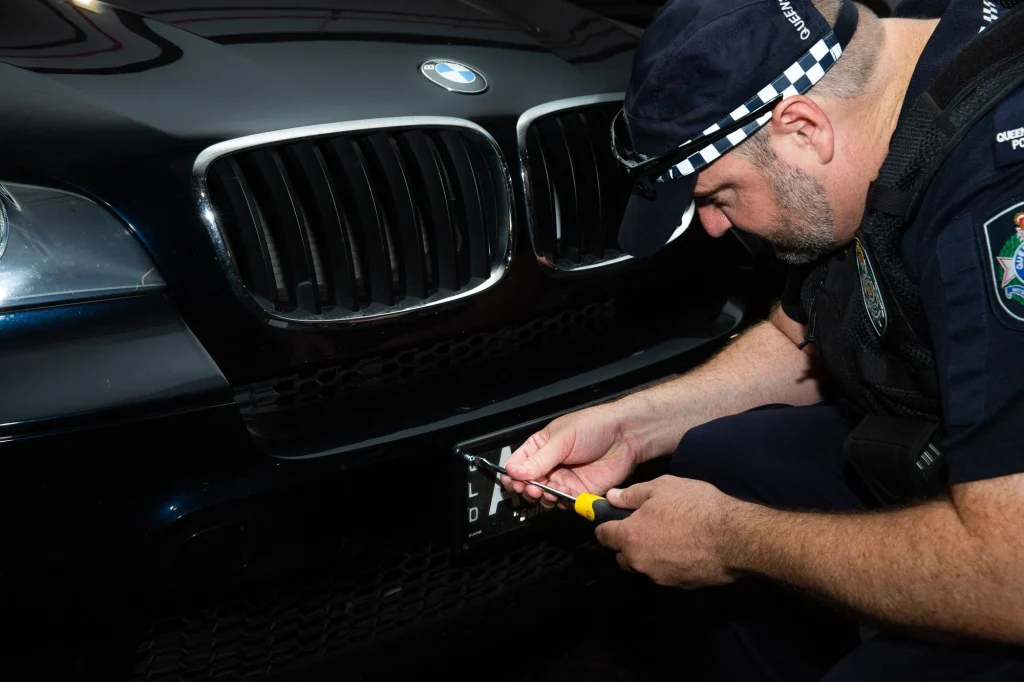
A string of stolen number plates across North Brisbane has pushed police to warn drivers that a small piece of metal on the back of a car can quickly become a tool for bigger crimes. In just 24 hours, officers received seven reports of registration plates being taken from parked vehicles in suburbs stretching from Sandgate to Hamilton, raising concerns among residents already dealing with vehicle break-ins and theft across the city.
The warning was issued on May 8 by Sgt Jodie Murray through the Queensland Police Service after thefts were reported in Kedron, Hamilton, Northgate, Wilston and Sandgate.
Police said stolen registration plates are often attached to other vehicles to avoid detection during criminal activity, including fuel theft, traffic offences and the use of stolen cars. The practice can also leave innocent drivers dealing with toll notices, fines and police inquiries linked to offences they did not commit.
North Brisbane suburbs see sharp increase in plate thefts
Officers from the Gateway District Crime Prevention Unit said the recent cases appeared opportunistic, with thieves targeting vehicles parked on streets and in open areas where screws could be removed quickly.
Police are now encouraging drivers to replace standard screws with anti-theft fittings designed to make number plates harder to remove. The special one-way screws can only be taken out using equipment carried by police.
The crime prevention unit has been distributing free anti-theft screw packs to North Brisbane residents through an online request program first introduced several years ago. The packs include screws and vehicle security information aimed at reducing repeat offences.
Photo Credit: QPS
Residents urged to rethink where vehicles are parked overnight
Police are also advising residents to use locked garages, gated driveways or off-street parking whenever possible, particularly overnight.
Vehicle-related theft has remained a concern across parts of Brisbane, with registration plates often targeted because they can be removed in less than a minute using common tools.
Authorities are asking anyone who notices suspicious behaviour around parked vehicles to report it through Policelink or anonymously through Crime Stoppers Queensland.
Photo Credit: QPS
Community concern grows as stolen plates linked to wider offences
For many drivers, the theft of a number plate may appear minor compared with car theft, but police say the impact can spread far beyond the original crime scene.
Once stolen plates are attached to another vehicle, they can complicate investigations and create stress for vehicle owners who later receive notices connected to offences committed by someone else.
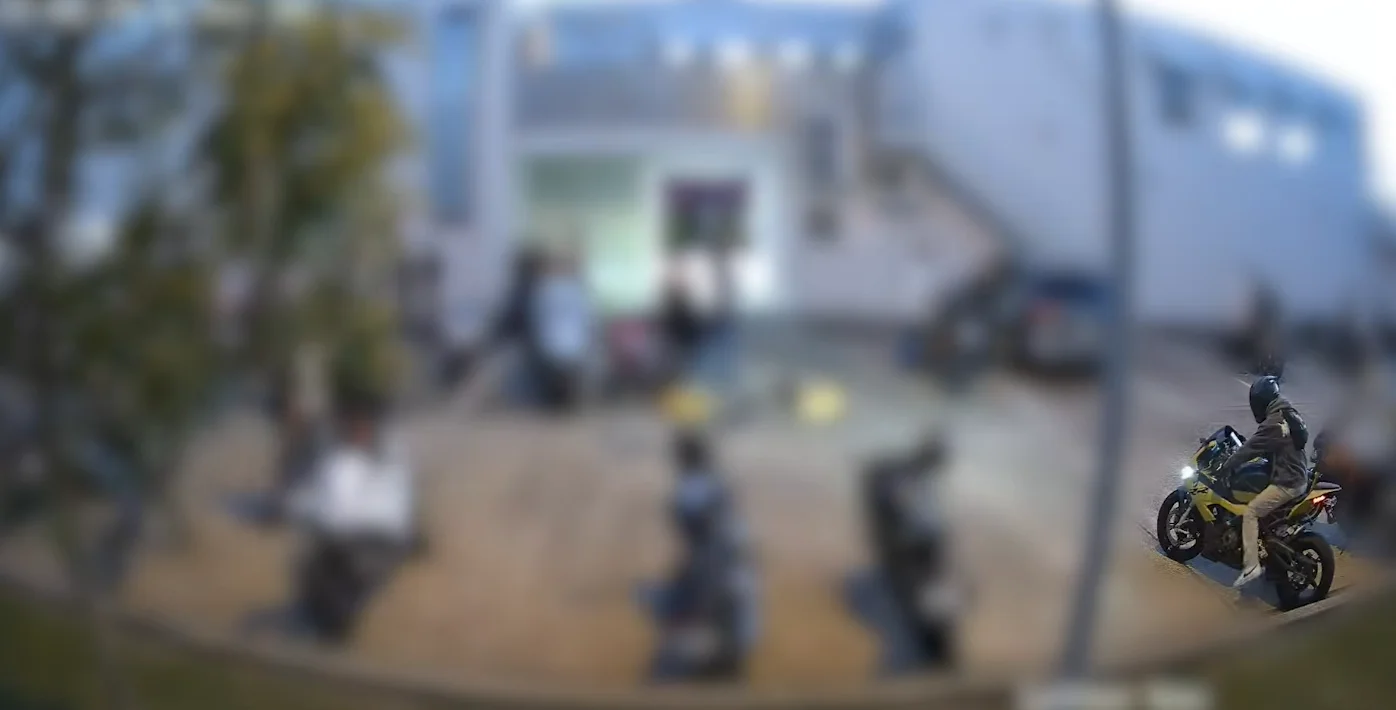
Police allege the rider was observed on 21 February speeding, travelling through red lights and operating the motorcycle dangerously. The motorbike was allegedly recorded travelling at more than 120km/h.
Alleged Evasion On Sandgate Road
Police attempted to intercept the motorcycle after the alleged riding behaviour was observed.
The rider stopped on the side of Sandgate Road, but police allege he then left the location, evaded officers and accelerated to speeds above 150km/h.
Further investigations were carried out by officers from the Road Policing Task Force.
Officers executed a search warrant at a Seven Hills address on 9 March.
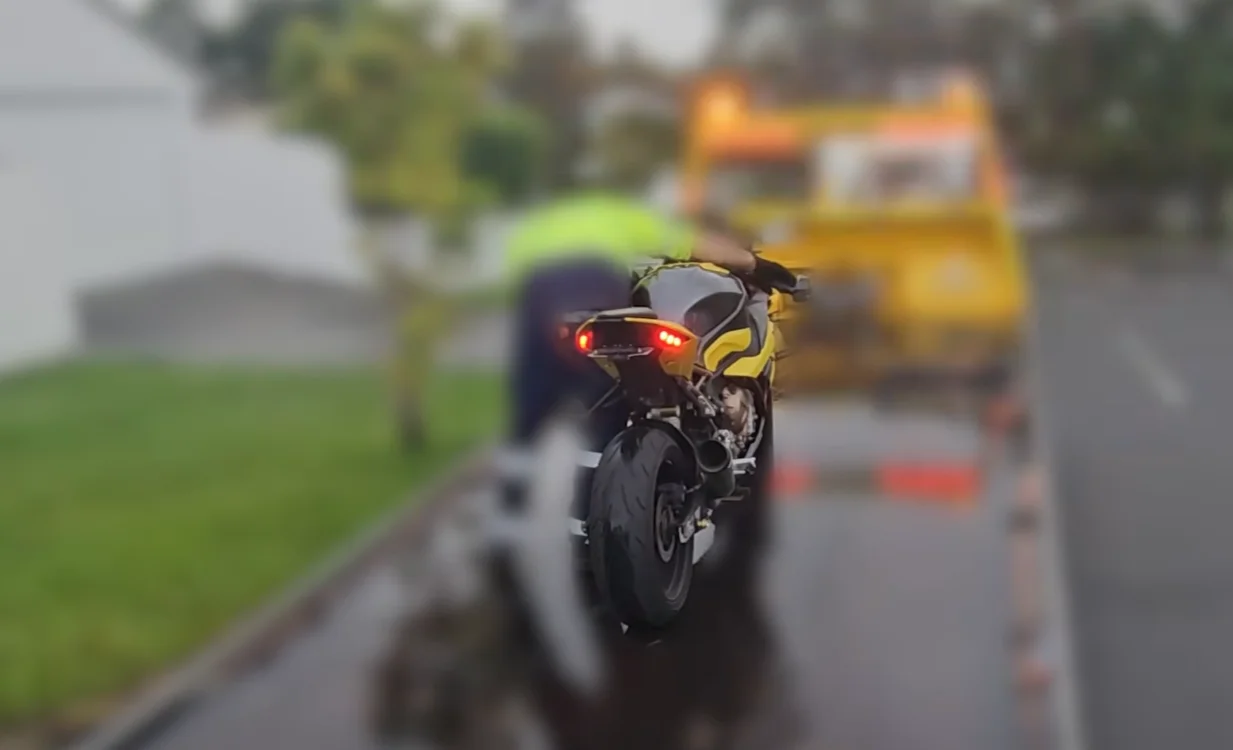
The motorcycle was located at the property and seized as part of the investigation.
The 25-year-old Carina man was charged with one count each of dangerous operation of a vehicle, failing to have proper control of a vehicle, stopping on a red traffic light over the stop line, failing to ensure each number plate was properly attached to the vehicle, failing to remain at a place, disobeying the speed limit and driving a defective light vehicle on a road.
Brisbane Court Matter Adjourned
The case was heard in Brisbane Magistrates Court on 28 April and adjourned until 27 May.
The charges remain before the court.
Photo Credit: QPS/YouTube
Police have again urged road users to slow down, stay alert and drive carefully, warning that speeding, distraction, fatigue, impaired driving and failing to wear a seatbelt can put lives at risk.
As part of Operation Interpose, police are continuing high-visibility patrols and enforcement aimed at deterring dangerous driving behaviour.
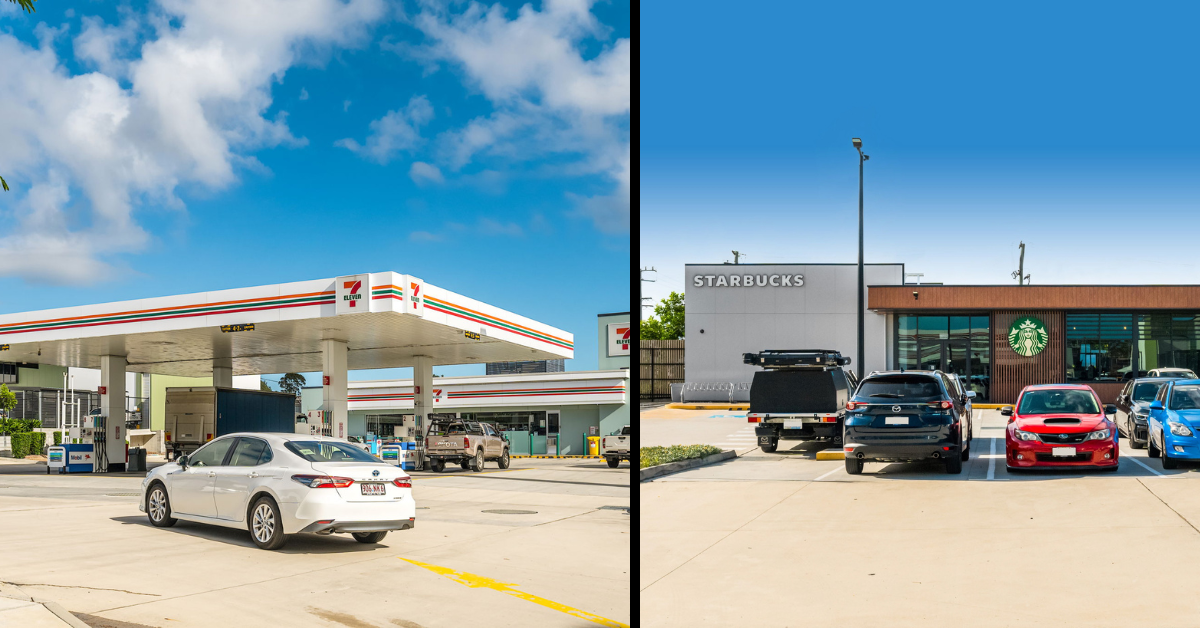
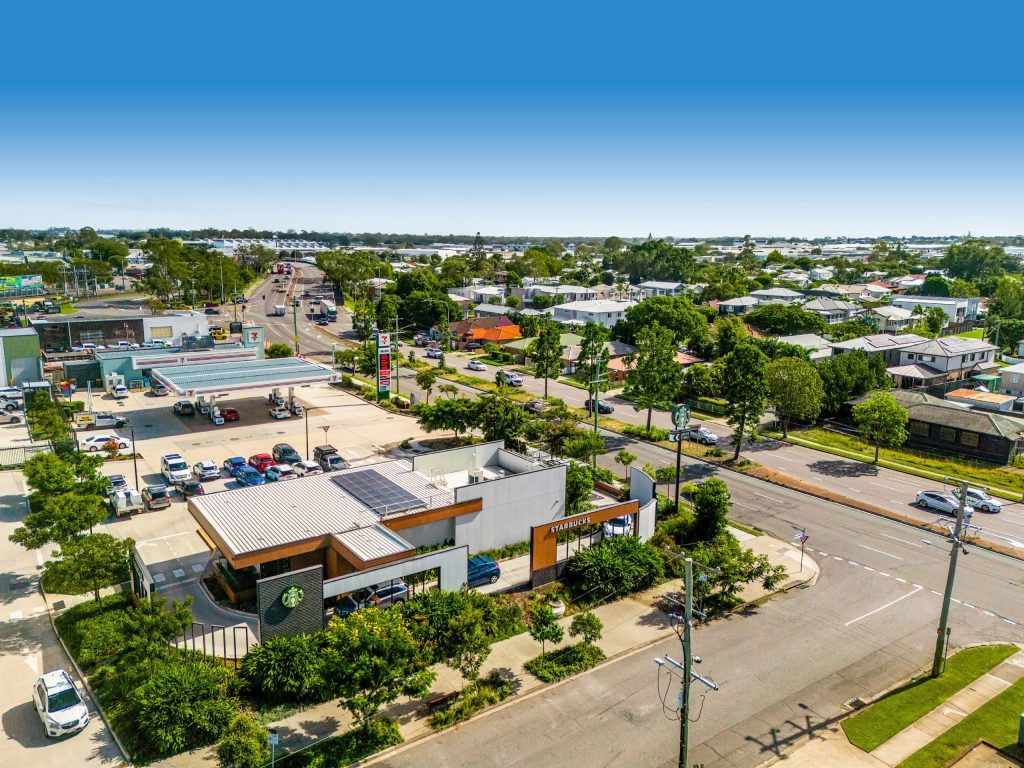
A newly developed retail precinct featuring Starbucks and 7-Eleven in Northgate has officially been placed on the market as part of a national commercial property sales campaign, drawing attention to the changing face of Brisbane’s northern corridor.
The adjoining Toombul Road properties — completed in 2023 by Brisbane developer Deluca — are being offered individually to investors through a campaign managed by Stonebridge Property Group. While the sale itself is aimed at commercial buyers, the development also reflects broader shifts underway across Northgate, where industrial land, commuter traffic and expanding retail services increasingly overlap.
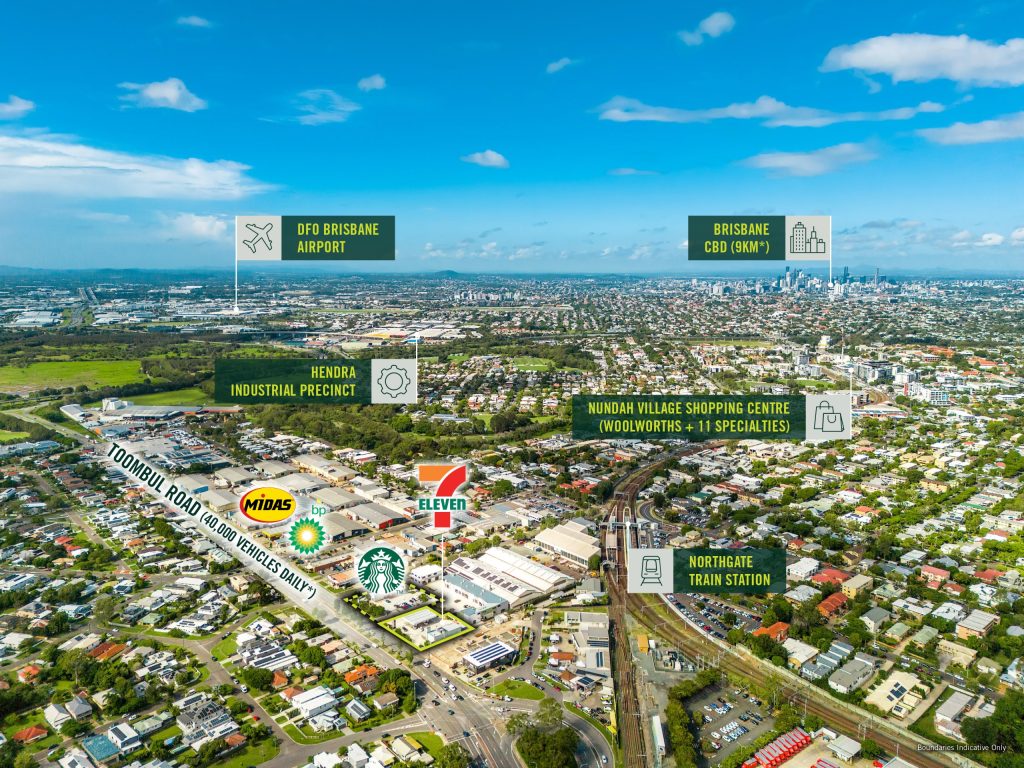
Located about nine kilometres north of the Brisbane CBD, the site sits within one of Brisbane’s busiest transport and logistics corridors, connecting nearby industrial precincts with the Gateway Motorway, Brisbane Airport and surrounding northern suburbs.
Toombul Road becoming a key stop for commuters and workers
For many residents and commuters travelling through Northgate each day, the new drive-thru development has become one of the corridor’s most visible recent additions.
Positioned along busy Toombul Road, the precinct is exposed to more than 40,000 vehicles daily, according to marketing material released as part of the sales campaign. The site combines a standalone Starbucks café with an adjoining 7-Eleven fuel and convenience outlet, catering largely to passing commuters, shift workers and nearby industrial employees.
The surrounding corridor has increasingly attracted national retailers and large-format businesses, including Bunnings Warehouse, Officeworks, Supercheap Auto and Petbarn, reinforcing the area’s role as a growing commercial hub within Brisbane’s north.
Photo Credit: Stonebridge
Northgate’s industrial identity continues to evolve
Traditionally associated with warehousing, freight and industrial activity, Northgate has gradually transformed into a mixed-use suburb balancing logistics infrastructure with residential growth and modern retail services.
The suburb’s strategic position between Brisbane’s CBD and airport has made it increasingly attractive for both employers and developers seeking access to major transport links and established workforce catchments.
Nearby facilities operated by companies including Australia Post, Arnott’s and Lite n’ Easy contribute to significant daytime worker movement throughout the precinct, helping drive demand for convenience-based businesses and hospitality services.
At the same time, suburban growth across Brisbane’s north has placed additional pressure on infrastructure and local services, particularly in areas closely connected to major arterial roads.
According to the Statistician’s Office, South East Queensland’s population is forecast to continue growing strongly over coming decades, contributing to increased development activity across middle-ring suburbs such as Northgate.
Commercial sale reflects confidence in Brisbane’s northern corridor
While the Starbucks and 7-Eleven sites are primarily being marketed as long-term commercial investments, the campaign also highlights growing confidence in Brisbane’s northern suburban corridor more broadly.
The properties are being offered separately despite operating as a complementary retail precinct, with the Starbucks site occupying a 2,594 sqm landholding and the adjoining 7-Eleven positioned on a separate corner allotment.
Industry observers say newer convenience-based developments continue to attract strong interest in high-traffic suburban corridors, particularly in areas benefiting from population growth and transport connectivity.
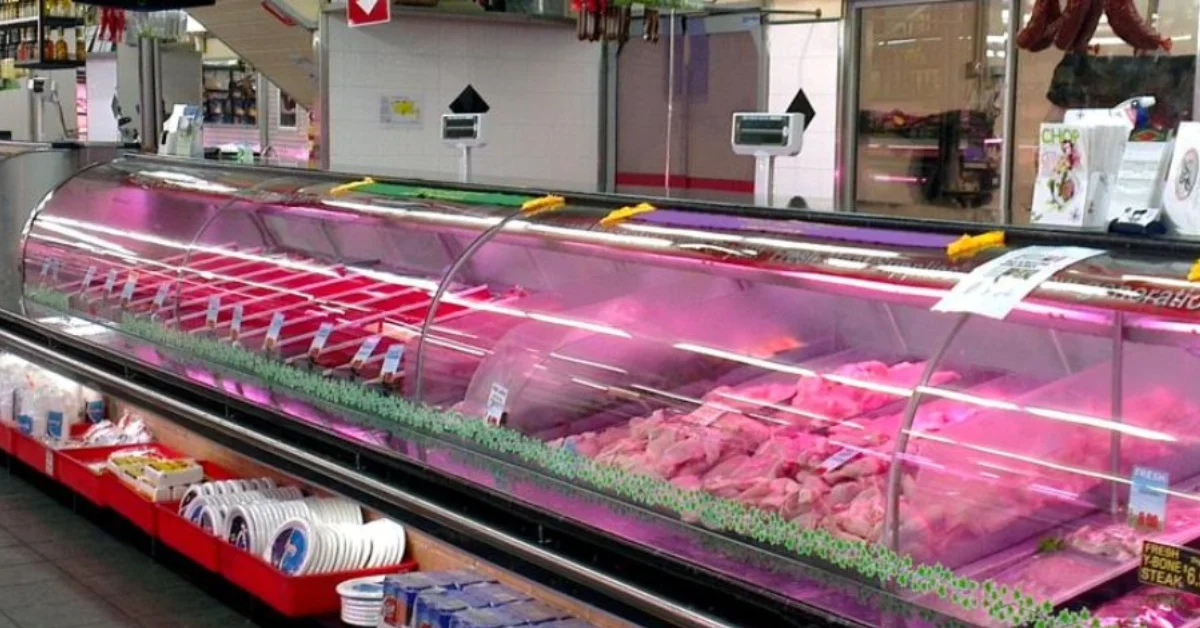
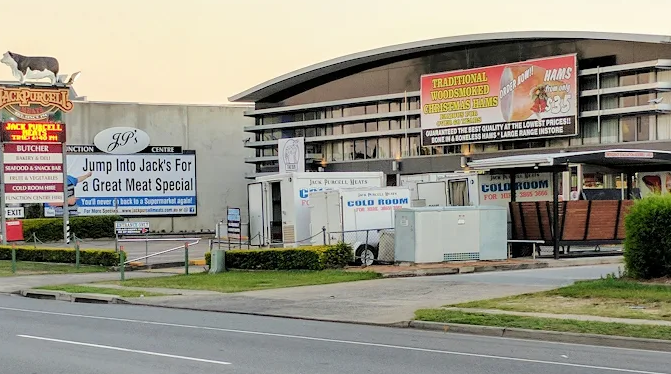
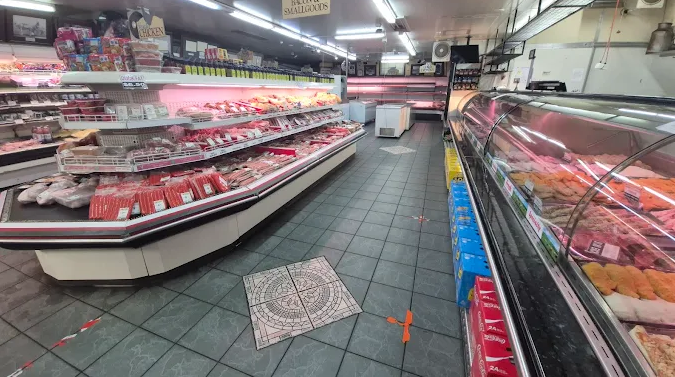
A butcher shop that began with a horse and cart on Junior Terrace, Northgate, has served its last cut. Jack Purcell Meats, a name woven into the fabric of Brisbane’s northern suburbs for more than 80 years, has gone into liquidation, bringing the curtain down on a family business that spanned three generations and, at its height, operated 23 shops across the city.
According to an ASIC insolvency notice, Alan Walker of Asset Restructuring Group was appointed liquidator of Snag Pty Ltd ATF the Snag Investment Trust, the entity trading as Jack Purcell Meats, on 30 April 2026. The winding-up process followed a Supreme Court petition by energy retailer AGL Sales Pty Limited, which filed a winding-up application against the company on 26 March. The amount of the alleged unpaid debt has not been disclosed.
From wartime service to neighbourhood institution
Photo credit: Google Maps/Marco Tanzi
Jack Purcell served 704 days in the Australian Defence Forces during World War II as an army butcher. Even while in service, he was running a small butcher shop in Miami and another in Currumbin. His father Dan had also operated a butcher store in Currumbin between the wars.
When Jack opened on Junior Terrace in Northgate in 1943, few could have anticipated what would follow. After the war, the business took off. Through the 1950s, 60s and 70s, he built an empire of 23 butcher shops across Brisbane, alongside a Four Square grocery store in Northgate.
By the late 1970s, Jack began winding back, choosing to focus on fewer outlets and serve customers personally at his Northgate and Taigum stores. He retired in 1980, handing the business to his son Paul.
Three generations, one name
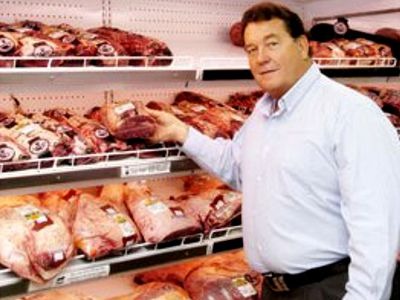
Paul Purcell (Photo credit: Jack Purcell Meats)
Paul Purcell spent the next three and a half decades steering the business through considerable change. In the 1990s, he established a meat showroom on Pritchard Road in Virginia, a facility that positioned Jack Purcell Meats as what the business called “Brisbane’s meat specialists.” The showroom offered beef, lamb, pork, poultry, game meats, ham and deli products, marketing itself as a one-stop shop for Brisbane customers.
In 2015, Paul retired and passed the reins to the third generation, his son Adam, continuing an unbroken family line stretching back to Jack’s original Northgate shop.
Tough times for family food businesses
The closure has not happened in isolation. Jack Purcell Meats is the second prominent Queensland family-run food business to collapse in recent weeks, following Brisbane seafood firm A. Raptis and Sons Group, which announced in April it would shut down after administrators were unable to find a buyer, a move that put more than 200 jobs at risk.
Broader economic headwinds have been battering independent food businesses across the country. A chief economist has pointed to rising energy bills and borrowing costs as mounting pressure on business finances, warning they are “likely to result in some increase in insolvencies in the months ahead.”
A gap in the community
Photo credit: Google Maps/Gina Tsai
For residents of Wavell Heights, Northgate, Nundah and the surrounding suburbs, the name Jack Purcell Meats carries real weight. This wasn’t a chain. It was a butcher founded by a local man who came home from war, set up shop in the neighbourhood, and built something lasting.
Details about the number of staff affected, potential sale of assets or the brand, and what creditors might expect to recover remain unclear at this stage.
What is clear is that when a business survives eight decades and three generations of one family, something more than a company has been lost. For many in Brisbane’s north, Jack Purcell Meats wasn’t just where you bought your Christmas ham. It was part of the street furniture of daily life.
The Sunday morning show provides a fantastic journey around Australia and the world to hear stories and insights from real people that you won’t hear in the mass media.
Here are five nuggets that we’ve dug out from the goldmine that is Macca’s Australia All Over show.
Lawson’s Story
On March 22, we heard the story of a 10 year old boy called Lawson, from the persepctive of a first responder.
The first responder who rang was Mark, a paramedic. He had been called out in an ambulance to a rural property at Mcdouall Peak Station in remote South Australia.
McDouall Peak is known for its arid desert landscape and historic links to explorer John McDouall Stuart. The area is known for its harsh conditions, hardy desert vegetation, and remains part of South Australia’s vast, sparsely populated interior.
Mark related that a 10-year-old boy named Lawson and his dad, a farmer, went out on motorbikes to build some fencing on the station. Lawson’s dad told the boy that he was just going to check some fencing a few kilometres away and then set off on his motorbike down the fenceline.
He didn’t come back.
After a while, Lawson got on his motorbike to go and look for him, but couldn’t find him. So he got his mum to drive over in the car and together they searched and found him. The dad was very badly injured having crashed on his bike at speed.
By the time emergency crews arrived, Lawson had already spent more than an hour talking with medical staff and waiting for help to reach them.
Mark the paramedic related that on arrival on the main road, he encountered young Lawson, who calmly then got in a ute and drove ahead of the ambulance for several kilometres to guide the medics to where his dad was.
Mark was blown away with the maturity and initiative of Lawson. He had seen many unusual situations in his job but this was a major outlier.
It turned out Lawson’s father had broken a leg, hip and collarbone.
Mark said Lawson carried medical gear; helped responders where needed; and stayed composed through the entire rescue until his father was flown out by the RFDS for treatment.
Amazingly, a neighbour who knew young Lawson was listening to Macca, and rang Lawson’s family to tell him about the call on the show.
Soon after, Lawson rang in and told Macca all about what happened first-hand.
“He was going like 90 or 100 or something,” Lawson told Macca, when recounting his father’s crash.
At one point, Macca asked him what he wanted to be when he grew up.
“A helicopter pilot,” Lawson replied.
It sounded less like a dream and more like a plan.
Out on stations like McDouall Peak, childhood looks different.
Distances are measured in hours, not suburbs. Fence lines run for kilometres. If something goes wrong, help is rarely close.
Lawson studies through the Port Augusta School of the Air, originally built around two-way radio lessons for children living in isolated parts of the country. These days, classes are mostly online, but the principle is still the same — students learning from station houses and remote properties hundreds of kilometres apart.
Kids in those areas tend to grow up fast and early. They learn vehicles young, help with fencing and stock work, and get used to solving problems without immediate backup.
Here’s a video about Clair, who tells a story remarkably similar to that of Lawson, giving us a glimpse of the world they inhabit — a long way from city life, and built around a different kind of independence.
Food Labels – Does “Australian Made” have loopholes?
Judy, a soybean farmer from Bundaberg, rang in to the show on the April 5 program.
She had a very interesting story to put people straight about Australian made loopholes.
She said that supermarket food labels can be very misleading.
Soy milk can be sold as “Australian Made” even when the beans are imported — because the bulk of what’s in the carton is Australian water.
That’s enough to be considered “Australian Made” soy milk, she said.
Meanwhile, she’s growing soy locally, rotating it with sugarcane — a system that quietly does its job, improving soil and keeping things sustainable over time.
“It’s a practical system,” she said.
But that work — and those crops — aren’t always what ends up on the shelf.
It’s not just soy milk.
More broadly, Australia’s labelling rules are based on where a product is made or substantially transformed, not always where its key ingredients are grown.
That’s how you end up with:
fruit juice blended locally from imported concentrate
seafood processed here but caught overseas
packaged foods made in Australia using global ingredients.
The label is technically right, but it doesn’t always tell the full story. For producers like Judy, that gap matters.
Are these technical loopholes hurting Australian food producers?
“Six days. 1,200 feral pigs.” The scale most people don’t see
On the April 19 program, Peter called in from Wangaratta, talking about his new feral pig shoot record.
Feral pigs can make an enormous mess of farmer’s crops as well as gardens and any piece of grassland as they can dig up hundreds of metres of land overnight looking for worms and roots.
Peter projected that there could be over a million feral pigs in Australia and that there were signs of them entering the edge of urban areas.
It sounded like Peter was part of a system that pairs landholders with vetted recreational shooters. His previous best was 1,100 shot but this time he covered 1,200.
Scientific evidence ranks pigs among the most intelligent animals—often cited as the fifth smartest species—possessing cognitive abilities that rival dogs and young human toddlers.
Feral pigs have been part of the landscape for a long time. What’s easy to miss is how quickly things escalate once numbers build.
They move in groups, breed fast, and don’t take long to undo a paddock. Crops gone overnight, fences pushed through, water turned.
Control efforts don’t stop — trapping, baiting, culling — but it’s not static.
Six days near Warren. About 1,200 feral pigs. At that point, you’re dealing with something that doesn’t scale down easily.
Corals, Reefs and the Arguments Around What We’re Seeing
Three separate calls across April ended up circling the same uneasy question: what is happening to the reefs?
What made it interesting was that the callers did not entirely agree.
The Scientist Trying to Cool the Water
On the April 5 program, oceanographer Dan Harrison from the National Marine Science Centre spoke about the science side of the problem — and how researchers are now exploring increasingly complex ways to protect coral systems from extreme heat.
One idea he discussed was marine cloud brightening.
In simple terms, increasing low cloud cover over parts of the ocean so more sunlight is reflected away and water temperatures stay lower during dangerous heat periods.
But Harrison was careful not to present the reef as a simple story of decline or rescue.
Cyclones can damage reefs badly — but sometimes also cool overheated water and reduce bleaching pressure. Floods can smother coral systems with runoff, but under different conditions can shift temperatures or nutrients in ways that change outcomes entirely.
The impression left was less about certainty than complexity.
Nothing in reef systems happens in isolation.
Returning to Fiji After Three Decades
Two weeks later on the April 19 show, Kieran Kelly rang from Fiji with something far more personal and emotional.
After returning to diving for the first time in more than 30 years, he said he was stunned by what he saw underwater.
“The reefs were devastated — brown, lifeless.”
What stayed with listeners was the way he described it.
“All the little houses are still there, but there’s no one in them.”
He said the coral structure itself often remained, but the colour, fish life and movement felt diminished from what he remembered decades earlier.
At the same time, he reflected on how Fiji itself had changed — from what he described as a quieter, more remote place into one increasingly built around tourism, boats and constant movement.
“The very thing that attracts people ends up spoiling it.”
It wasn’t framed as activism or politics. More the observations of someone returning to a place after a very long absence and confronting how much both nature and people had changed.
The Ecologist Who Warned Against Generalisations
A week later again, on the April 26 program, another listener pushed back.
James Hawes, a retired CSIRO ecologist from the Sunshine Coast, wrote to Macca after hearing Kieran’s comments.
He argued that broad claims about “dead and dying reefs” risked missing important context.
Hawes said many reefs he had snorkelled recently — including parts of the Great Barrier Reef and reefs around Fiji — appeared healthy and actively growing. He acknowledged localised storm and cyclone damage, but warned against sweeping conclusions drawn from isolated experiences.
“Reports on coral reef damage must have context.”
Why reef conversations have become so complicated
Part of the reason reef discussions now feel so contested is because people are often talking about different parts of the same system.
Some reefs recover after bleaching events. Others don’t. One section can be badly damaged by heat or cyclones while another nearby remains comparatively healthy.
That sat underneath all three calls.
Dan Harrison spoke about intervention research already underway in Australia. Kieran Kelly described reefs in Fiji that felt emptier and less alive than he remembered decades earlier. James Hawes warned against broad conclusions drawn from isolated experiences.
All three perspectives can exist at once.
The Great Barrier Reef stretches across more than 2,000 kilometres, with thousands of reef systems responding differently to temperature, storms, runoff, tourism pressure and crown-of-thorns starfish outbreaks.
At the same time, Australia has become a major centre for reef intervention research.
Marine cloud brightening — the concept Harrison discussed — is now being trialled as researchers investigate whether brighter low cloud cover could temporarily cool reef waters during marine heatwaves.
Other projects include:
heat-tolerant coral breeding
coral seeding and restoration programs
satellite, drone and robotic reef monitoring
crown-of-thorns starfish control efforts
Researchers are also studying how runoff, water quality and tourism pressure interact with warming oceans and cyclone damage over time.
None of it is straightforward.
Some reefs are recovering strongly. Others are under heavy stress. Some intervention ideas remain experimental, while others are already being rolled out more broadly.
Which is why reef conversations now tend to sound less certain than they once did.
The science is still moving.
The war where bullets overtook disease — and what changed after that
On the April 26 program, the conversation drifted from Gallipoli’s cliffs and cemeteries into something less often talked about — what war looked like from the medical side.
In studio, hand surgeon David Dilley spoke about the conditions doctors and medics faced during the First World War, particularly during Gallipoli.
“The planning was appalling,” he said, referring to findings from the Dardanelles Commission.
There were shortages everywhere. Limited supplies. Primitive field conditions. Little understanding of how to deal with the scale of injuries arriving at once.
“They had bandages… a bit of chloroform… and not much else.”
Earlier in the program, callers had been describing the cemeteries at Gallipoli — the closeness of the ridgelines, the tiny distances between trenches, the sheer number of names.
Dilley’s contribution added another layer to that picture.
For centuries before World War I, disease often killed more soldiers than combat itself. Dysentery, typhoid, infected wounds and poor sanitation spread quickly through camps and battlefields long before antibiotics existed.
But by Gallipoli and the Western Front, warfare itself had changed. Machine guns, artillery and industrial-scale combat produced catastrophic injuries on a scale medicine had never really faced before.
“It was the first war where more died from enemy action than disease,” Dilley said.
The conversation moved easily between medicine, history and memory — less like a lecture and more like someone trying to explain how one era forced the next one to change.
The shift didn’t happen all at once, but the pressure to improve was constant.
In earlier wars, many soldiers didn’t die from wounds themselves, but from what followed — infection, poor sanitation, limited understanding of how to treat trauma once it set in. Dysentery, typhoid and septic wounds were often more lethal than the battlefield.
By the time of Gallipoli, that balance had started to change, even if the systems around it hadn’t caught up.
Since then, each conflict has pushed medicine further.
Today, soldiers carry trauma kits designed to deal with the first and most critical problem — bleeding. Tourniquets, clotting agents and airway tools are standard, with the aim of stabilising someone long enough to get them to surgical care.
From there, evacuation is faster, and treatment is more specialised, with trauma teams trained specifically for those injuries.
None of that removes the brutality of war. But it does mean more people survive the part they wouldn’t have before.
One conversation at a time
Five calls.
Different states, different lives, different subjects.
A 10-year-old on a remote cattle station. A soybean farmer in Bundaberg. Pig shooters near Warren. Scientists arguing over reefs. A surgeon reframing Gallipoli.
None of them sounded like they were trying to make a point bigger than it was.
That’s probably why the calls stayed with people after the radio switched off.
The news came via an April 24 community update from Cr Adam Allan, who confirmed that Council officers have provided advice that the project is set to get underway next month.
“Thank you to the community for your patience and understanding while these complex works have been planned,” Cr Allan wrote in his Facebook post. “This is a surprisingly complicated project which entailed detailed design and bespoke project methodology in order to progress the project.”
A Wetland With a Long History and a Growing Problem
Photo credit: Google Maps/Caro Sierra
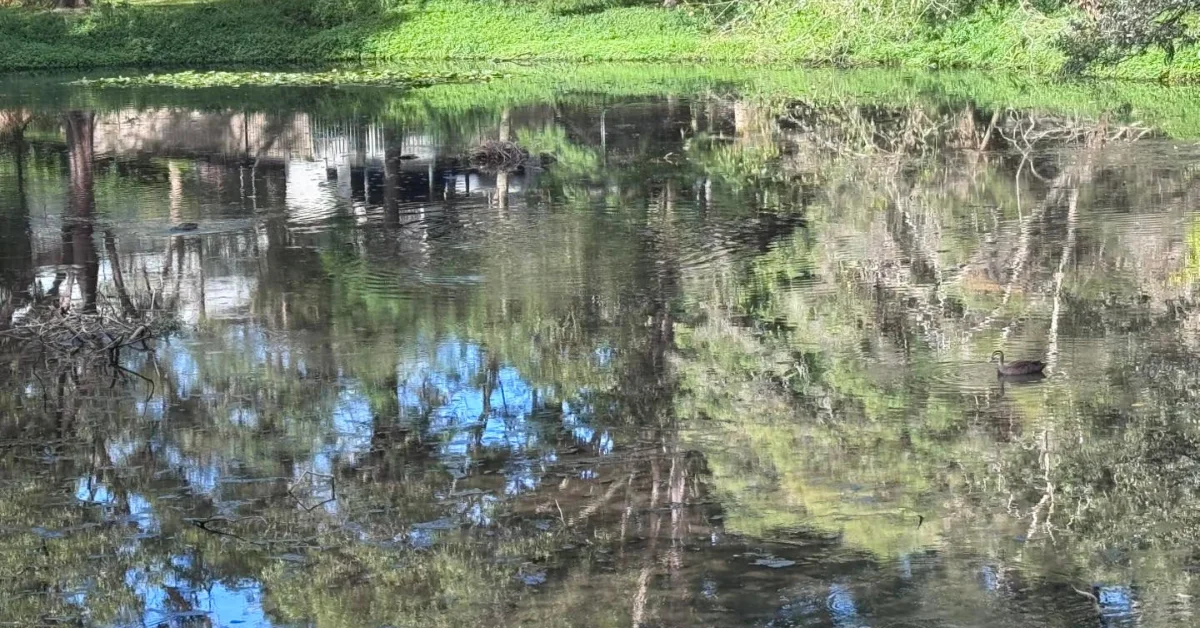
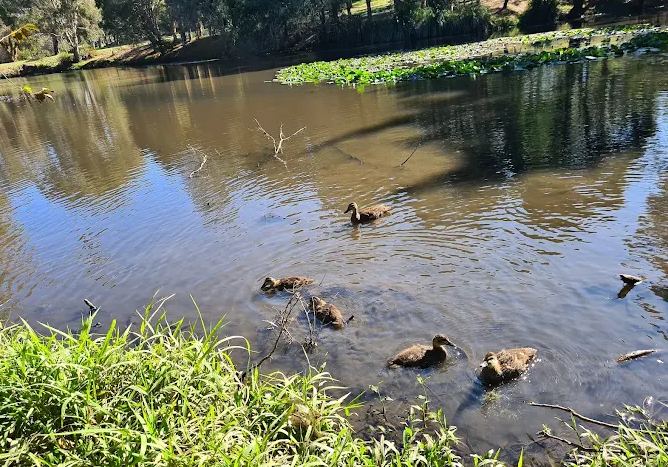
The Keith Boden Wetlands were originally constructed in 1998 with a clear environmental purpose: to filter sediment and pollutants from stormwater runoff before it flows into Kedron Brook and eventually Moreton Bay. After 25 years, accumulated sediment has taken a toll on the wetlands’ ability to function effectively.
Excessive sediment build-up has led to exposed mudbanks and decaying organic matter that have worsened despite recent rainfall events, degrading both water quality and local biodiversity in the process. As Cr Allan put it in his funding announcement, the wetlands are in need of TLC to keep working effectively.
Funding to carry out the rehabilitation was secured for the 2025-2026 financial year.
What the Works Will Involve
Photo credit: Google Maps/James Gibson
What can residents and park-goers expect once works begin? According to Cr Allan’s update, the project involves several stages of construction activity.
A temporary access track will first be built to allow construction vehicles to safely reach the site. Temporary detours and traffic control measures will also be put in place to protect pedestrians and cyclists using the area during the works.
The centrepiece of the project is the deployment of a floating excavator, which will work within a temporary bunded area inside the wetland. The excavator will remove the years of built-up sediment that has accumulated on the wetland floor. That material will be dewatered on-site before being transported off to a licensed facility, a requirement under the permits issued for the project.
Minor repairs to some of the retaining walls along the wetland’s edge are also planned as part of the scope of works.
Project signage with information and contact details will be installed on-site, so residents visiting Shaw Park will be able to stay informed as works progress.
Cr Allan was candid about why it has taken time to get to this point. The project required detailed design work, a bespoke methodology, and a range of approvals and permits from the State Government, along with significant dialogue with State agencies to ensure the works could be completed safely and responsibly.
Cr Allan acknowledged the community’s patience throughout this process. Restoring the wetlands’ capacity to filter stormwater will benefit not only Shaw Park but the broader Kedron Brook catchment and Moreton Bay downstream.
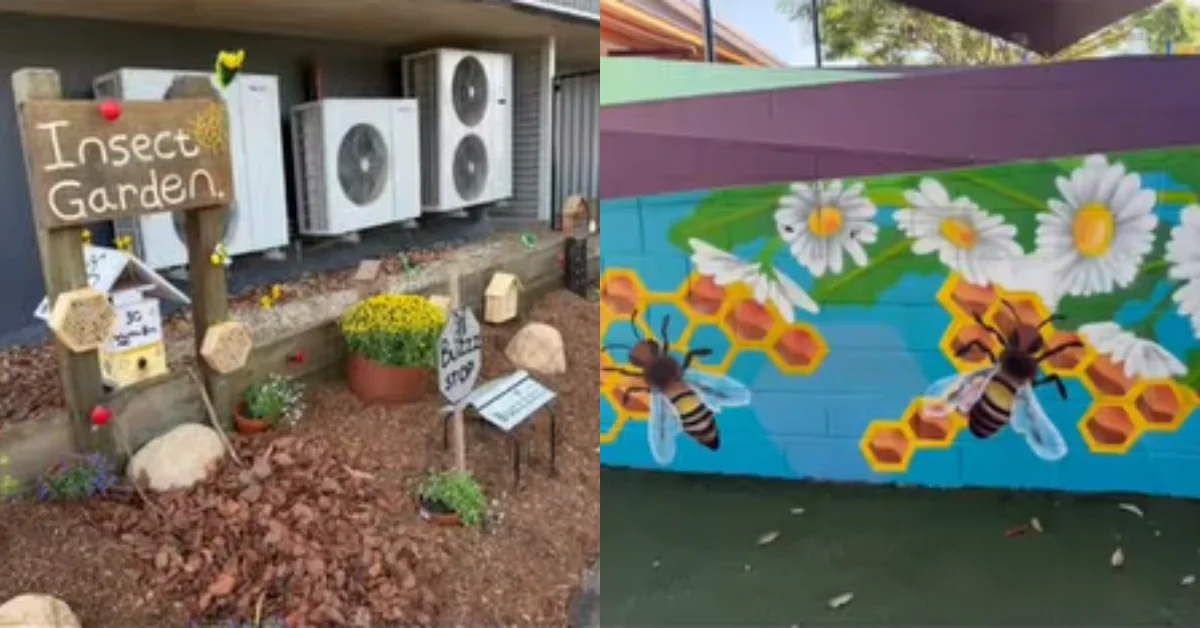
Our Lady of the Angels School in Wavell Heights is home to Australian native stingless bees, and the colony is playing an important role in the school’s gardens, student learning, and the local environment.
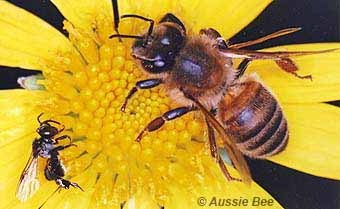
They’re small, barely 4 mm long, jet black, and entirely stingless. The native bees living in hives on the grounds of Our Lady of the Angels School are quietly going about their work.
Our Lady of the Angels School has been caring for its native bee hives as part of its commitment to care for creation and sustainability, and the person behind the hive’s upkeep is Mr Aspin, the school’s groundsman. Over the recent school holidays, Mr Aspin put considerable care and creativity into the area surrounding the hive. The school community showed their appreciation, giving Mr Aspin a shoutout on the school’s Facebook page for his efforts.
This term, the school’s commitment to its native bee program is growing. A new hive is set to be added to the grounds, with an incursion planned to give students a hands-on introduction to their new six-legged neighbours.
Learning in the Real World
For students at Our Lady of the Angels School, the hives offer real-life learning opportunities. Native bees help pollinate plants and flowers, supporting biodiversity and keeping the school’s gardens thriving. The school sees the program as a meaningful way to connect children with the natural world and explore themes of care for creation and sustainability.
By caring for native bees, students come to understand how small actions can make a big difference for the environment.
Australia is home to eleven species of native stingless bees. Small, black, and measuring just 4 mm in length, they are tropical by nature and only thrive in warm parts of Australia, including Queensland, northern areas of Western Australia and the Northern Territory, and north-eastern New South Wales. Wavell Heights sits well within the climate range where stingless bees thrive.
They pose no sting risk, and as pollinators, they play an important part in keeping gardens and green spaces healthy.
They can be kept in a natural log or a hive box and are considered easy and safe to maintain in a backyard. For residents across Wavell Heights and surrounding suburbs with a veggie patch or flowering garden, it’s an option worth exploring.
With a new hive on the way and an incursion planned for this term, the native bee program at Our Lady of the Angels School looks set to grow. The school has made clear that caring for these tiny creatures is about more than gardening — it’s about teaching the next generation to care for the world around them.
And the bees? They’ll just keep doing what they do best, quietly, diligently, and without a single sting.
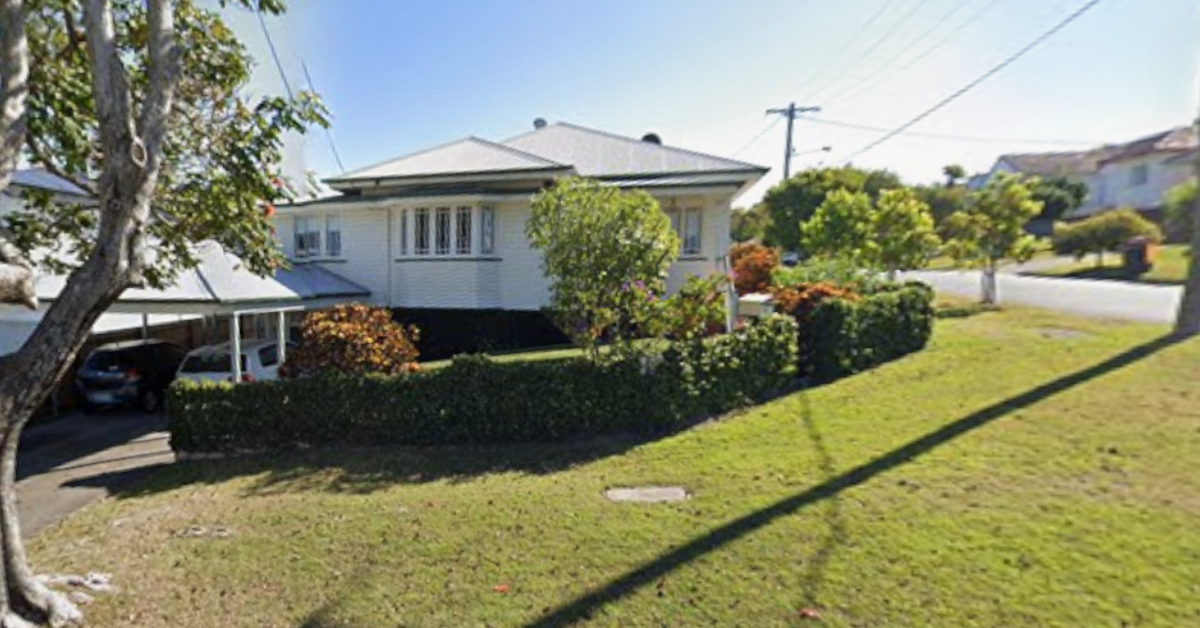
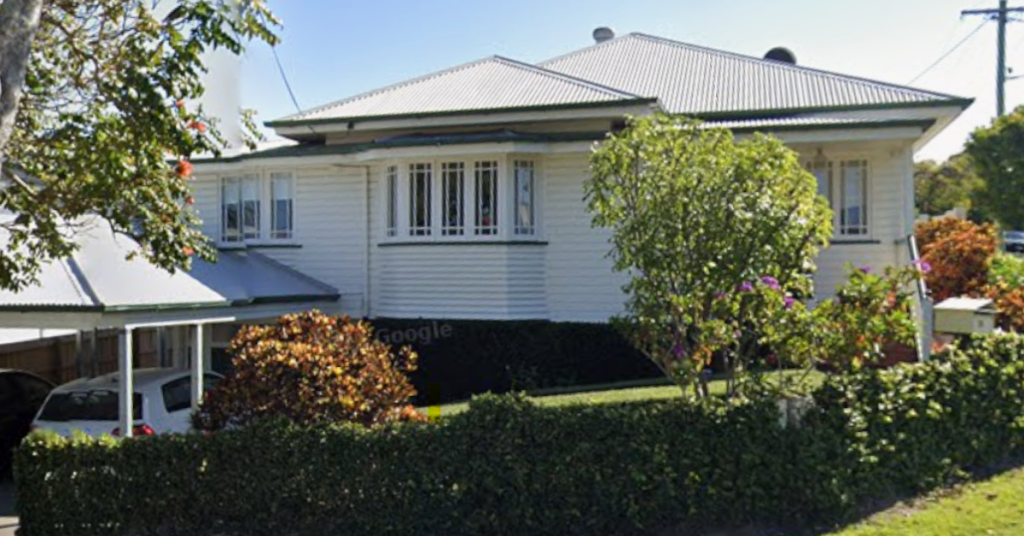
The iconic local landmark known as the Hamlin House is at the centre of a historical mystery after modern research proved the home was actually built by a different family over a decade earlier than official records ever suggested.
While the community has long believed the large home on O’Donnell Street was built in 1928, architectural historian Marianne Taylor recently found evidence that changes the entire story. By examining old title deeds, Taylor found a specific stamp from the Workers Dwellings Board. This discovery shows that the house was actually finished around late 1916 or early 1917.
The records reveal that Andrew and Agnes Lonie were the true original owners who moved onto the land long before the suburb even had its current name. This shift in the timeline means the house stood through the end of the First World War and saw the neighborhood transform from rough bushland into a modern residential area.
A Hero Returns Home
Even though he did not build the house, Frederick Hamlin remains a massive part of the local identity. As a veteran of the First Australian Imperial Force, Hamlin returned from the war and used a specialized loan for soldiers to buy the property in 1920. The house itself was a bit of a rebel for its time because it did not follow the trendy styles of the 1920s.
Instead, it was built as an asymmetrical bungalow with a roof that swept down over the front porch and featured unique triple windows. It was much larger than most houses built for veterans, likely because the Hamlin family needed the extra space for their growing number of children.
From Bushland to Flower Beds
Photo Credit: Google Maps
Before the area became the busy suburb of Wavell Heights, it was known as West Nundah and was mostly filled with pineapple farms and dairy cows. The Hamlin family helped change the face of the district by starting a nursery business right in their backyard. This business eventually became one of the biggest in the region, especially during the building boom after the Second World War.
As new families moved into the area, they visited the Hamlins to buy award-winning flowers and shrubs to decorate their new front yards. Local experts believe that many of the old, beautiful trees still standing in the suburb today probably started as small seedlings in the Hamlin nursery.
The suburb we know today only got its name in 1941 during a patriotic concert at the Imperial Theatre. While planners originally thought about calling the area Beverly Hills, they chose to honour General Sir Archibald Wavell instead. Through all these changes, the house at 35 O’Donnell Street stayed in the Hamlin family for nearly 60 years.
Even though the “House Detective” has now proven the Hamlins weren’t the first ones to live there, their long history of gardening and community service is likely why everyone forgot about the original 1916 builders. The home remains a sturdy piece of the past that connects the early farming days to the modern streets of today.
The Norths Eagles rugby club is facing a mounting financial and emotional toll following a series of alleged break-ins at their Hugh Courtney Oval clubhouse. “The Nest” has been hit at least ten times in the last 18 months, with the most recent blow involving three consecutive nights of alleged thefts and property damage that have left club volunteers struggling to keep up with repairs.
CCTV footage from the clubhouse shows groups of young people inside the facility on multiple occasions, taking soft drinks, packaged goods, and bottled water. The most recent run of three consecutive night break-ins has added to a financial toll that club president Shaun McKinnon estimates included $1,300 in goods lost in a single incident alone.
Beyond the stolen stock, the alleged offenders have set the club’s wooden outdoor tables alight on multiple occasions, destroying custom-made property that cannot simply be replaced off a shelf.
The club, known to members and supporters as The Nest, is one of Brisbane’s most historically significant rugby union clubs. Tracing its origins to the Teachers Training College Football Club in 1933, Norths has spent more than 90 years developing players at every level, from juniors through to Wallabies, with alumni including Will Genia, Greg Cornelsen and Michael O’Connor. It competes in the Queensland Premier Rugby competition, the highest level of club rugby in the state below Super Rugby.
The Pattern the Club Keeps Seeing
What frustrates club officials is not just the frequency but the consistency of the method. McKinnon says the alleged intruders access the clubhouse the same way each time, finding the same entry point regardless of security improvements. Each repair and upgrade is followed by another break-in using the same approach, creating a cycle that drains both money and morale.
One incident about a month ago unfolded differently. A community member arrived at the club at around 7:00 pm to drop off supplies and spotted a group of young people on the roof of the clubhouse. Police responded quickly, but as officers arrived, the alleged offenders fled on e-bikes, heading onto the Kedron Brook Bikeway and disappearing before police could locate them.
That detail connects to a broader pattern in the area. Police have been conducting targeted operations along the Kedron Brook Bikeway in recent years in response to complaints about the use of non-compliant and unregistered electric bikes, including enforcement action involving young people. The bikeway, which runs almost 20 kilometres from Mitchelton to Nundah and passes close to Hugh Courtney Oval, provides rapid movement through the northern suburbs and has featured in incidents extending well beyond the Wavell Heights area.
A Community Club Absorbing Costs It Was Never Built to Carry
Norths Eagles operates, like most community rugby clubs, on tight margins that depend heavily on match-day income, bar and canteen takings, memberships and sponsorships. The Australian Sports Foundation has noted that the club’s infrastructure and facilities depend significantly on grant funding, given the difficulty of funding capital upgrades through operating revenue alone. Against that backdrop, repeated losses to theft and property damage are not a minor inconvenience. They represent a direct hit to the resources the club uses to run junior programmes, maintain fields and support its players.
McKinnon has called on the Wavell Heights and broader northern suburbs community to back the club in a practical way: come out to home games at Hugh Courtney Oval during the Queensland Premier Rugby season, and support the bar and canteen while there. For a club that has been running in this community for over nine decades, the ask is a reminder that local sporting clubs survive on local support, and that support matters most when things are difficult.
How to Back the Eagles
Norths Eagles play their home games at Hugh Courtney Oval, 128-150 Shaw Road, Wavell Heights. The 2026 Queensland Premier Rugby season is currently underway. Fixture information, news and sponsorship enquiries are available via the club’s website at northsrugbyclub.com or through their Facebook page. Anyone with information about the alleged break-ins can contact Policelink on 131 444 or report anonymously through Crime Stoppers on 1800 333 000.
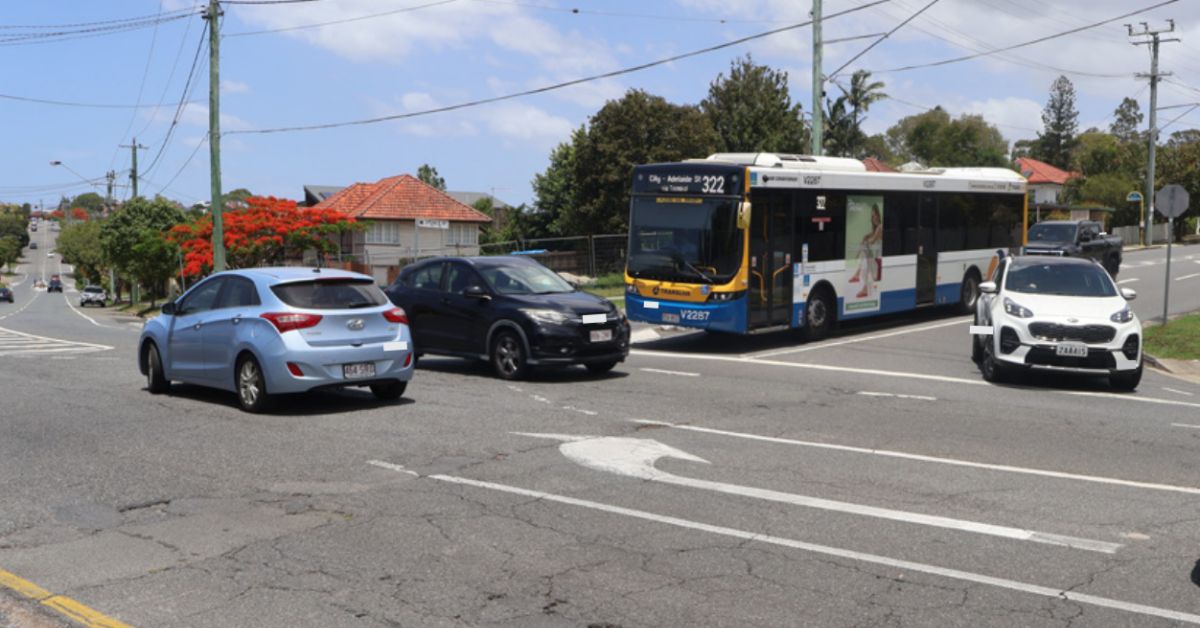
The Hamilton Road and Spence Road intersection carries heavy traffic throughout the day, with long wait times and limited visibility making it difficult for drivers to safely enter and exit Spence Road. The planned upgrade will install traffic signals at the intersection, along with a series of improvements designed to make the crossing safer and more reliable for drivers, pedestrians and bus passengers alike.
The project is currently in progress, with the construction timeline still being finalised pending funding confirmation.
What the Upgrade Involves
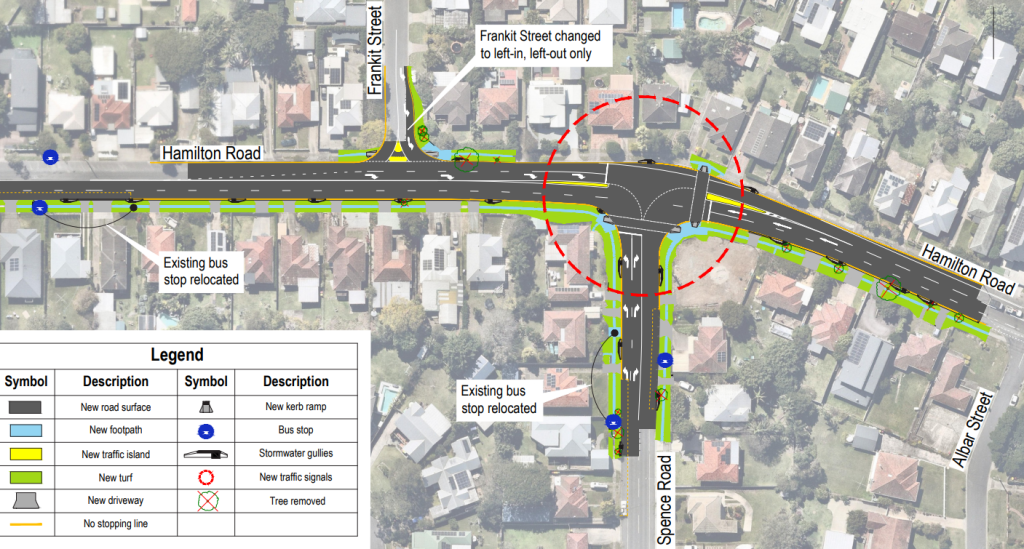
The centrepiece of the works is a full set of traffic signals at the intersection, including signalised pedestrian crossings. The right-turn lane on Hamilton Road into Spence Road will be extended, and both corners of Spence Road at Hamilton Road will be widened to formalise two westbound traffic lanes on approach to and through the intersection.
Bus stops will shift as part of the works. The westbound stop on Hamilton Road (stop 43) moves 30 metres west, and the northbound stop on Spence Road (stop 42) moves 30 metres south. Footpaths will be upgraded, new kerb ramps installed, and stormwater infrastructure on both roads within the project area will be renewed. New road pavement, signage, line marking and landscaping complete the scope.
One change will be permanent from the outset: access from Frankit Street onto Hamilton Road will become left-in, left-out only. A new pedestrian refuge on Frankit Street at Hamilton Road will also be installed. Residents who currently turn right out of Frankit Street will need to adjust their routes once construction begins, and the project team is available to discuss alternative travel options.
A Corridor with a History of Safety Concerns
Hamilton Road has been a focus of road safety investment for several years. The intersection with Bilsen Road was upgraded under the Black Spot Program after recording nine crashes between 2015 and 2021, all of which required medical treatment or hospitalisation. That project delivered dedicated right-turn pockets, updated signal phasing and relocated bus stops, and is now complete.
The Spence Road intersection presents a similar set of challenges. High traffic volumes, extended wait times and limited sightlines have made it difficult for drivers to safely navigate the crossing, mirroring the conditions that prompted action at Bilsen Road.
A Safer Street for the People Who Use It Every Day
For residents living near the intersection, this upgrade addresses a problem that has been part of their daily routine for years. Hamilton Road serves as one of the key east-west connectors through Wavell Heights’ inner north, and the Spence Road junction has long added unnecessary time and uncertainty to morning and afternoon trips.
The inclusion of signalised pedestrian crossings is a meaningful addition for those who travel the area on foot, where crossing Hamilton Road currently requires careful judgement and a degree of patience.
Broader traffic studies have pointed to ongoing pressure across Wavell Heights roads, with congestion on surrounding arterials including Sandgate Road and Gympie Road continuing to push traffic onto local streets. Intersection-level upgrades like this one address safety at specific points, and combined with previous works along the corridor, represent a sustained effort to improve conditions for the community.
How to Stay Across the Project
The construction program is still being finalised, and more detail on timing will be shared once that process is complete. Residents can register for project update emails through this link.
For questions, including advice on alternative routes around the Frankit Street access change, contact the project team on 07 3178 5413 (Monday to Friday, 8.30am to 4.30pm), or email cityprojects@brisbane.qld.gov.au with the subject line “Hamilton Road and Spence Road intersection upgrade.” Written enquiries can be directed to Infrastructure Services, GPO Box 1434, Brisbane QLD 4001. General enquiries can be made to 07 3403 8888, available 24 hours a day, seven days a week.