



Wavell Heights Among 31 Suburbs in Wastewater Inspection Program

Residents in Wavell Heights and several surrounding northside suburbs may see Urban Utilities officers inspecting private properties in the coming months as part of a program aimed at reducing wet-weather wastewater overflows.


Wavell Heights is among 31 Brisbane suburbs covered by the Wet Weather Overflow Reduction Program, which runs until 31 December 2026. Other northside suburbs on the list include Nundah, Nudgee, Banyo, Virginia, Aspley, Zillmere, Taigum, Boondall, Deagon, Shorncliffe, Bracken Ridge and Bald Hills.

Urban Utilities says the program targets areas where wastewater overflows have repeatedly occurred during wet weather or where pumping stations and treatment plants have recorded unusually high inflows.

The utility is trying to determine how stormwater is entering a wastewater system that is not designed to carry large volumes of rainwater. Possible sources include cracked pipes, defects around maintenance holes and non-compliant plumbing or drainage connections on private properties.

During heavy rainfall, stormwater entering the wastewater network can significantly increase flows and contribute to overflows, particularly where the system is already under pressure.
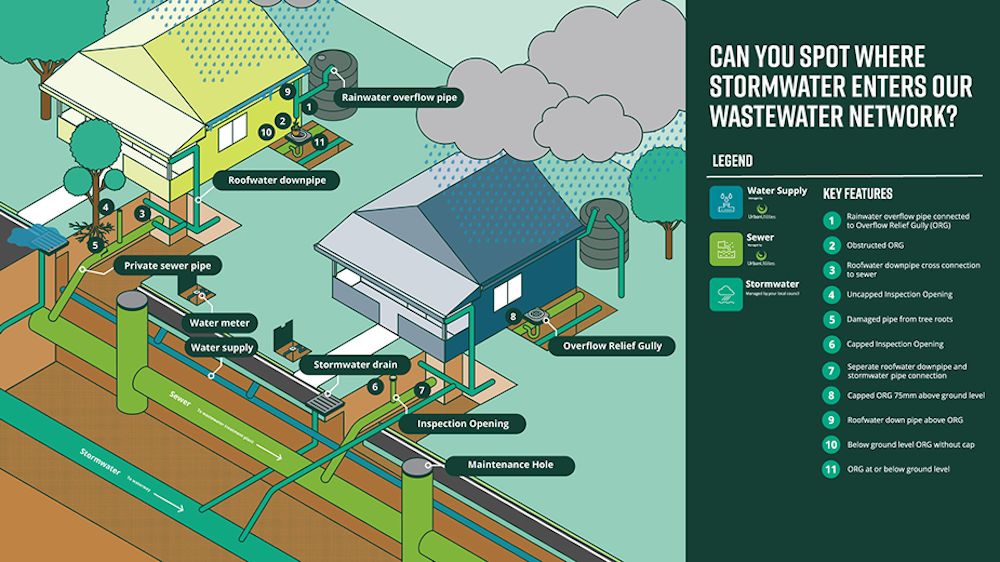
Photo Credit: UrbanUtilities

How Smoke Testing Works

To identify where stormwater may be entering the wastewater network, crews use smoke testing on wastewater pipes and private plumbing. Separately, Urban Utilities uses measures including CCTV inspections and pipe cleaning as part of its broader sewer maintenance work. Non-toxic smoke is pumped into the wastewater lines to trace unwanted flow. 

In a correctly connected system, the smoke should travel through the wastewater pipes and escape through normal plumbing vents. If smoke emerges from stormwater drains, downpipes or other unexpected locations, it can indicate a defect or an incorrect connection.
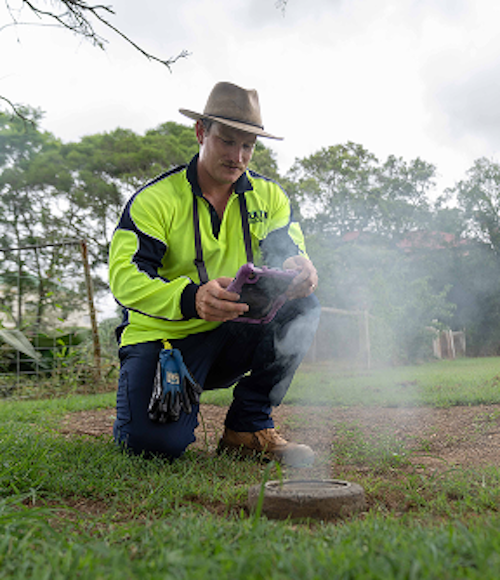
Photo Credit: UrbanUtilities

Property Access and Inspector Powers

Under Queensland legislation, authorised officers operating within an approved inspection program have statutory powers to enter private properties at reasonable times without prior occupier consent. However, the inspection-program powers have clear limits: officers cannot use those powers to enter any part of a property where a person resides.

Where an occupier is present, officers must make a reasonable attempt to identify themselves, explain the purpose of the entry and advise that the Act permits entry without consent. For an approved inspection program, they must also provide details of the program.

Public Network vs. Private Responsibilities

Urban Utilities says that excess wet-weather flow stems from a mix of local topography, public infrastructure defects, and private plumbing issues. While the program allows testing on private land, an inspection does not automatically mean a property is defective or that the homeowner will incur immediate repair costs. 


The testing is intended to identify where stormwater is entering the network and help inform targeted action. Depending on what is found, further work may involve private plumbing, Urban Utilities infrastructure or both.

For northside residents, knowing why access may be sought, what officers are permitted to inspect and what happens when a defect is identified will be important as testing continues.

Published 5-Aug-2026
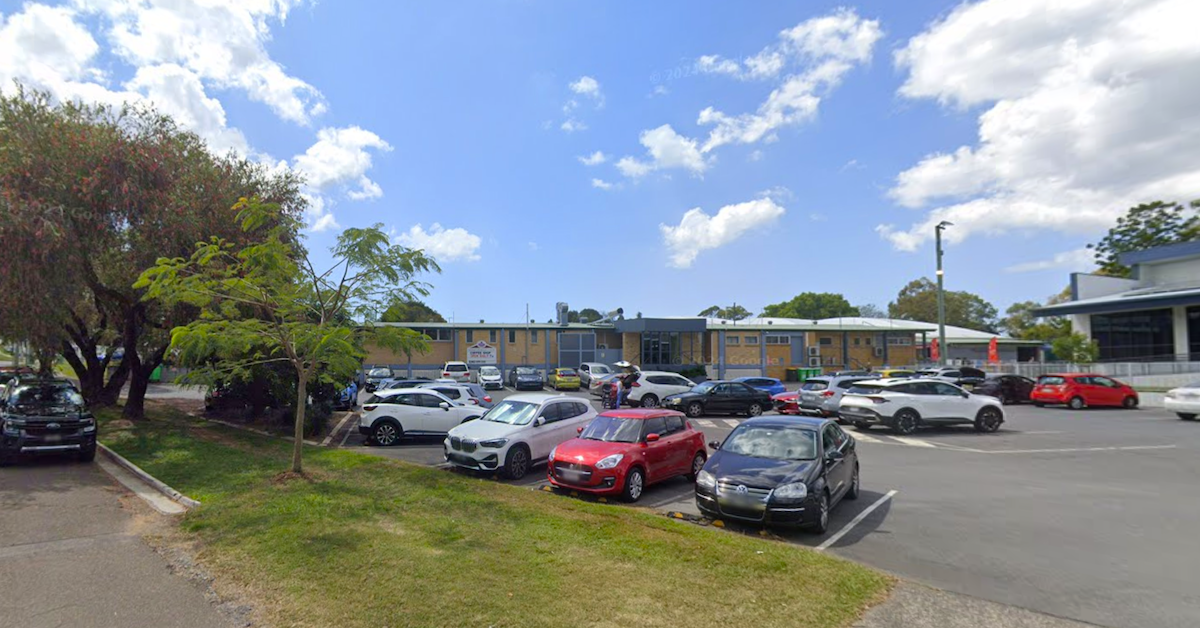
Pink and Blue Day in Wavell Heights Gives Old Bowls Tradition a New Purpose

Northern Suburbs Bowls Club will recast one of its familiar August fixtures as a fundraiser for cancer research when it holds its first Pink and Blue Day in Wavell Heights.


On Wednesday, 12 August 2026, the Wavell Heights club is replacing its former Ekka Bowls Day with an event designed to draw members, families, neighbouring clubs and community groups.

Organisers are encouraging players and supporters to wear pink and blue, while proceeds will support cancer-related work through Cancer Council Queensland.

Open fours on the greens

Replacing the familiar Ekka theme, players are encouraged to dress in pink and blue. The tournament uses an open fours format, with teams playing two games across 16 ends or to the bell.

Registration opens at 8:30 am ahead of a 9:15 am start. Entry is $120 per team, which includes lunch. A series of raffles and prize hampers—including donations from local Councillor Adam Allan—will boost fundraising efforts, keeping overheads low so proceeds go directly to the cause.

Northern Suburbs Bowls Club, born from the amalgamation of Clayfield Bowls Club (1909) and Wavell Heights Bowls Club (1958), is no stranger to charity fixtures. In 2021, a Queensland Police Legacy event at the greens raised more than $12,000.

A cause close to home

The shift in focus hits close to home. Cancer Council Queensland estimates nearly 12,800 Brisbane residents receive a cancer diagnosis each year, with around 3,580 local deaths annually. Across the state, one in two Queenslanders will face a diagnosis by age 85.

Proceeds from the day will support Cancer Council Queensland’s research, prevention initiatives, and support services, including transport assistance, accommodation, and counselling.


Pink and Blue Day reshapes a favourite date on the local sporting calendar into a chance for neighbouring clubs, families, and supporters to rally behind a vital cause.

For cancer information and support, call Cancer Council Queensland on 13 11 20.

Published 4-Aug-2026

Two Nurses in Wooloowin Reveal How Healthcare Has Changed

Inside a Wooloowin aged care home near Wavell Heights, two nurses from different generations are sharing stories that show how dramatically healthcare has changed over the past 60 years. One remembers treating patients during the final years of the polio epidemic, while the other now works with electronic medical records and ongoing digital training in modern aged care.


International Nurses Day is held annually on May 12.

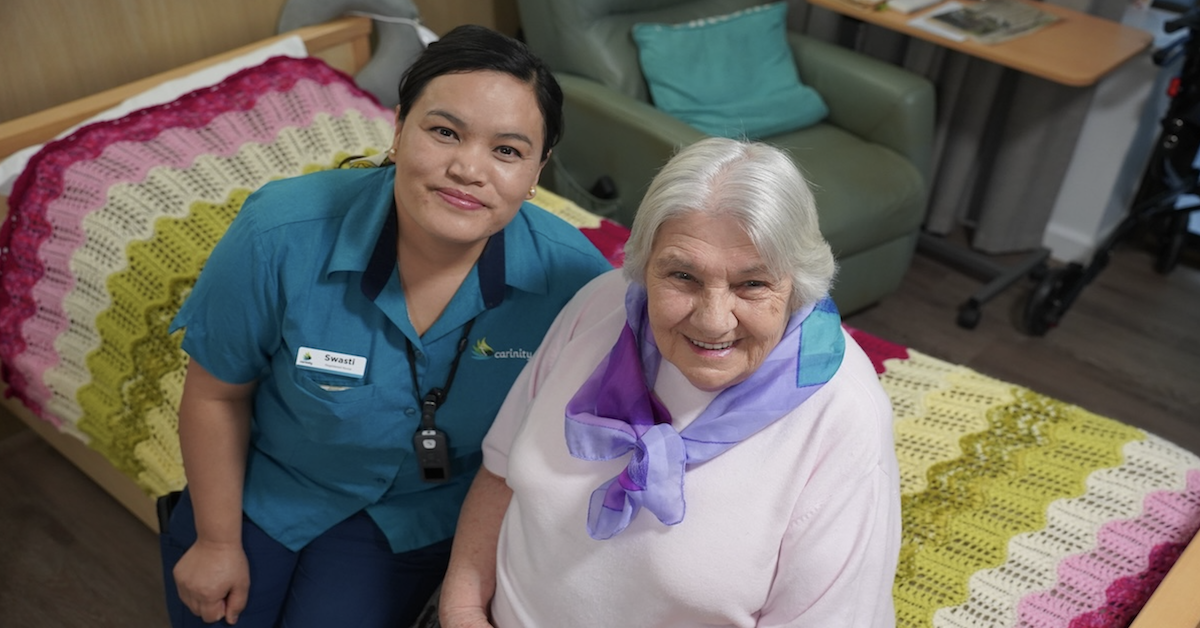
The contrast between the experiences of former nurse Marjorie Davidson and clinical nurse Swasti Gurung has become part of daily life at Carinity Clifford House in Wooloowin, where both women have spent time caring for older Australians in different stages of their careers.

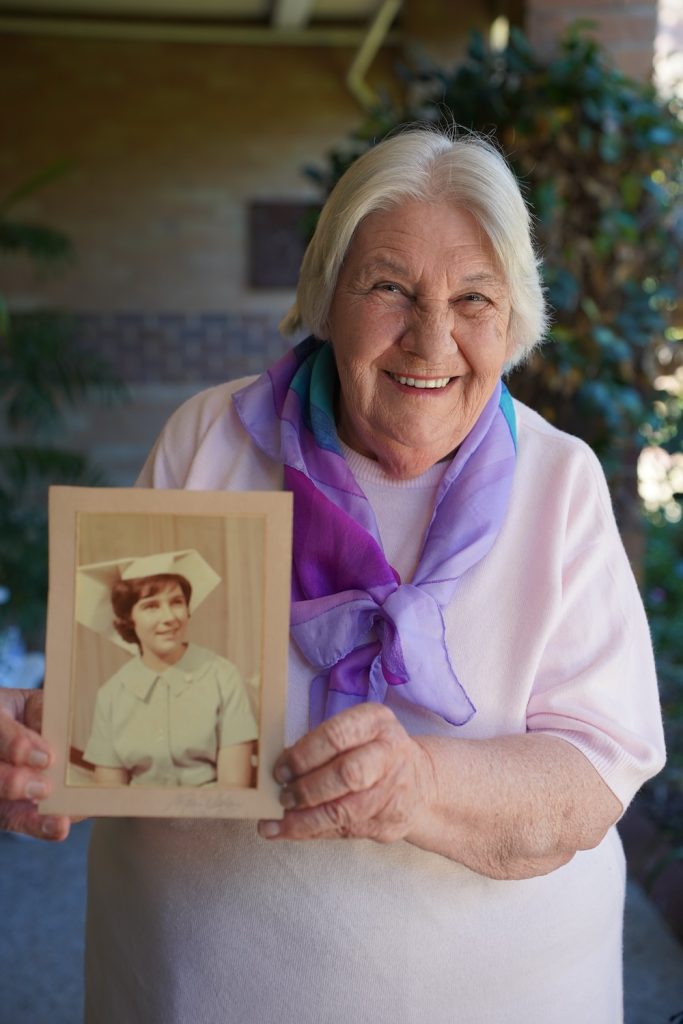
Davidson began nursing in 1959, entering hospitals at a time when disposable medical equipment did not exist and infectious disease wards still treated tuberculosis and meningitis patients.

She recalled working with iron lungs during the final years of the polio epidemic and sterilising reusable needles over boiling water heated by wood stoves. Hospital workers also manually cleaned large copper tubs used for infected linen during afternoon shifts.

Photo Credit: Supplied

From remote clinics to Brisbane’s northside

After starting her career in Victoria, Davidson spent 13 years nursing in remote parts of Papua New Guinea, caring for patients suffering from malaria, chest infections and severe skin diseases.

Medical conditions in isolated areas were difficult, with limited supplies and long distances between communities. Crocodiles and heavy mosquito populations were common around the clinics where she worked.

Many of the tools younger nurses rely on today were unavailable at the time.

Now retired and living in Wooloowin, Davidson has watched nursing shift from handwritten paperwork and reusable equipment to computer systems and advanced medical technology.

A new generation enters aged care

For Gurung, nursing followed a very different path.

She started her career in Nepal before moving to Australia and retraining for aged care work in Brisbane. Before joining the Wooloowin facility, she worked in hospital wards assisting with endoscopy and colonoscopy procedures.

Gurung now works in a healthcare system built around digital records, regular technology updates and lifting equipment designed to improve safety for both staff and residents.

She said aged care nursing created opportunities to build lasting relationships with older residents while hearing stories from earlier generations.

That connection between past and present has become one of the defining parts of life inside the Wooloowin facility.

International Nurses Day shines light on changing profession

Healthcare workers across Australia are preparing to recognise International Nurses Day this month, with aged care staff in Brisbane’s north reflecting on how quickly the profession has evolved within a single generation.

At the Wooloowin home, stories from nurses trained decades apart continue to cross paths each day — from tropical clinics using sharpened needles to modern facilities relying on digital healthcare systems.


Published 12-May-2026