
On winter mornings across Brisbane’s northside, the day often starts before the sun fully rises. Floodlights flicker on over empty fields. Volunteers unlock clubhouses. Parents arrive balancing coffee cups and folding chairs while children in oversized jerseys run across damp grass. For decades, organised weekend sport has been a visible part of life in and around Wavell Heights.
Long before Brisbane became known for riverside apartments and Olympic venues, the northside was developing a strong suburban sporting culture. Rugby league, rugby union, cricket, football, bowls, tennis and basketball all found space here, creating a network of clubs and sporting grounds that became part of everyday life.

Today, suburbs like Wavell Heights and its adjacent areas like Nundah, Kedron and Virginia still carry traces of that identity. Sporting clubs remain spread across the area, linked through parks, school competitions and long-running community participation.
The result is a part of Brisbane where organised sport became deeply woven into suburban life.

Sporting Fields Became the Centre of Suburban Life
Like many Brisbane suburbs, Wavell Heights expanded rapidly after World War II as families moved north into newly developing residential areas. Large residential blocks, open green spaces and expanding school networks helped support organised community sport.

But the northside’s sporting identity was not built by one club or one code alone.
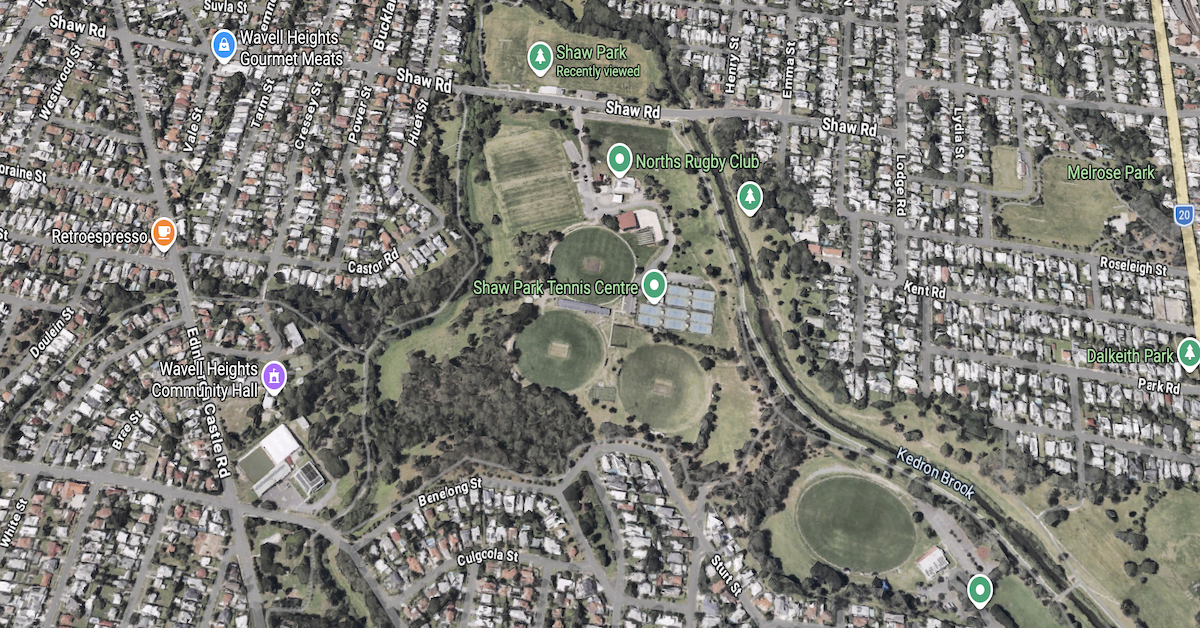
Instead, it grew through clusters of grounds and community facilities that slowly became woven into suburban life. Areas around Shaw Road and Shaw Park developed into sporting corridors where multiple sports operated side by side across different seasons.
The concentration of nearby facilities meant families often had access to multiple sports within only a few kilometres, and this helped shape the rhythm of the suburb itself.


Rugby League Helped Shape Northside Identity
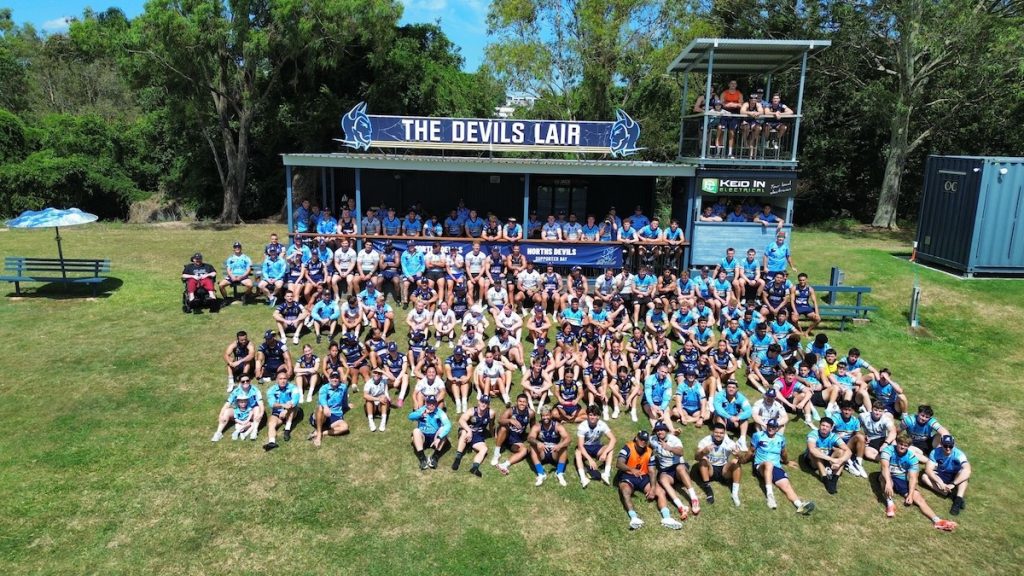
Among the area’s best-known institutions is the Norths Devils, one of Queensland’s oldest rugby league clubs. Founded in 1923, the club became closely tied to Brisbane’s northern suburbs as district rugby league competitions expanded through the twentieth century.
The Devils grew beyond football alone. Like many suburban leagues clubs across Queensland, the organisation evolved into a broader social hub that supported local sport, dining and community events.
The modern Norths Devils Leagues Club describes itself as a centre for community connection on Brisbane’s northside. That model has become increasingly important as many community clubs face rising operating costs and volunteer pressures.
Shaw Road Became a Sporting Corridor
Few roads better capture the area’s sporting culture than Shaw Road.
Within a relatively small stretch of the northside are rugby grounds, cricket facilities, tennis courts and school sporting venues that continue to host competitions throughout the year.
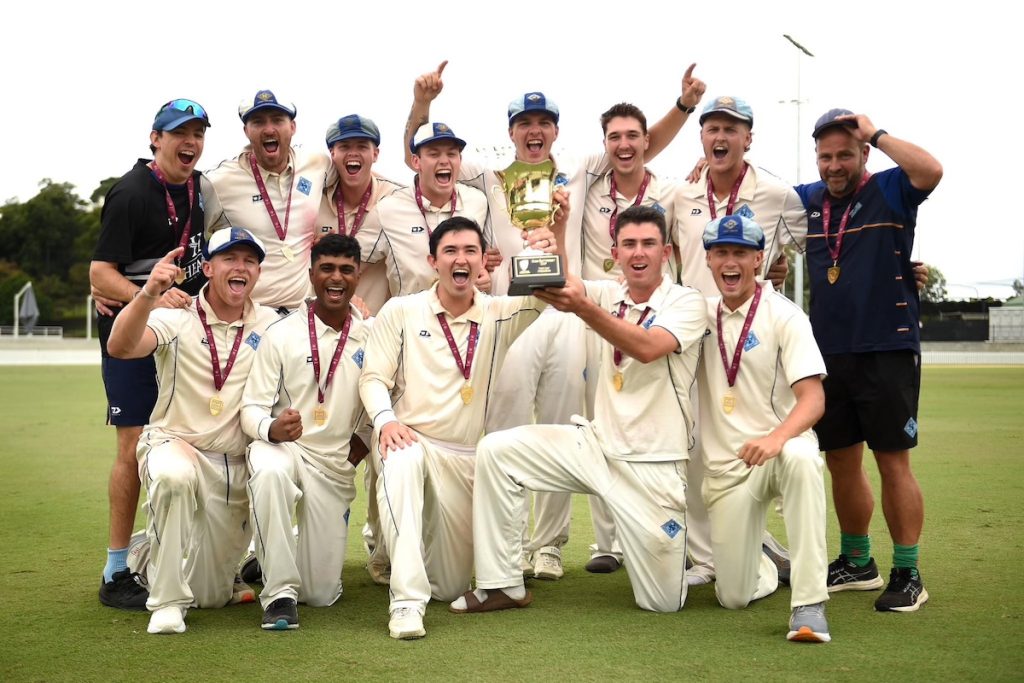
Norths Rugby Club at Hugh Courtney Oval remains one of the suburb’s most recognisable rugby institutions. Nearby, the Northern Suburbs District Cricket Club and Ian Healy Oval reflect the area’s longstanding connection to organised cricket.
Just down the road, the Shaw Park Tennis Centre adds another layer to the precinct, supporting both junior participation and social competition.
Together, these venues created more than sporting infrastructure. They helped build a shared suburban routine where organised sport became part of growing up.
For many northside families, weekends were structured around fixtures, training sessions and local competitions that repeated year after year.
Football and Basketball Changed the Sporting Landscape
As Brisbane’s population changed, so did the sporting culture of the northside.
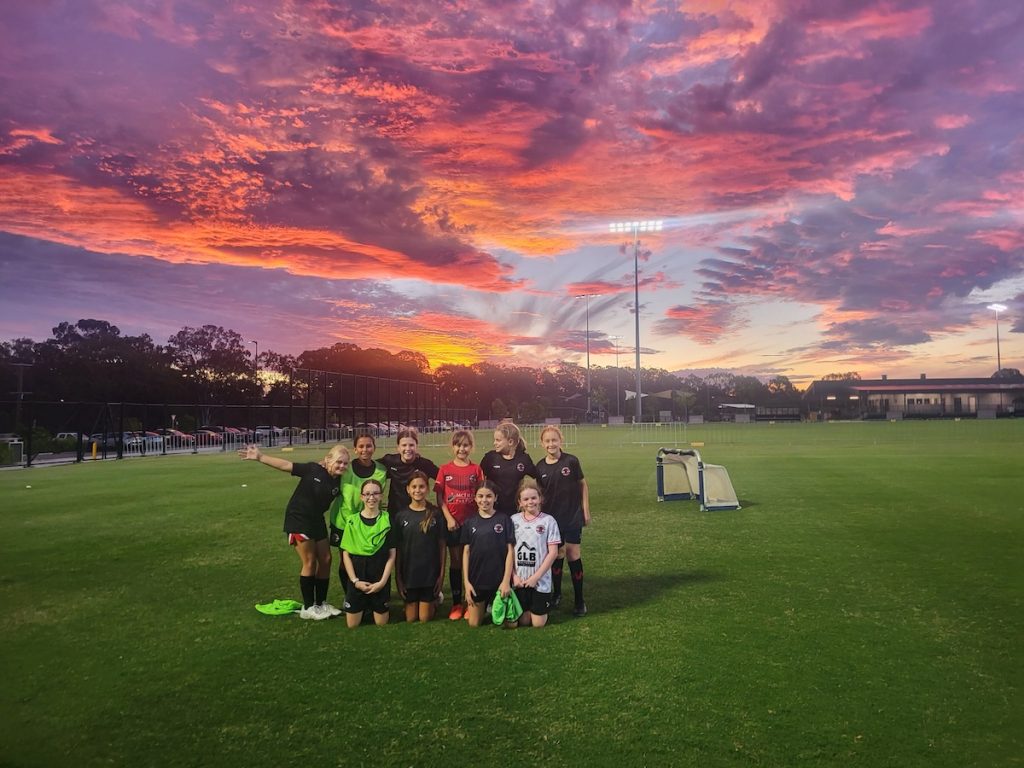
The growth of clubs such as Virginia United Football Club reflected football’s increasing popularity across Brisbane. Junior football participation expanded across the region, adding another dimension to an area already heavily shaped by rugby league and cricket.
Basketball has also become more visible in recent years. Organisations including the Northside Wizards and junior programs operating through Wavell Heights and nearby suburbs show how indoor sport has grown alongside traditional field sports.
Rather than replacing older sporting traditions, these clubs expanded the northside’s sporting identity into something broader and more diverse. The result is a sporting culture that now stretches across seasons, age groups and communities.
Bowls Clubs Preserved Older Forms of Community Life
While junior sport often dominates weekend traffic, older institutions still remain important parts of the local landscape.
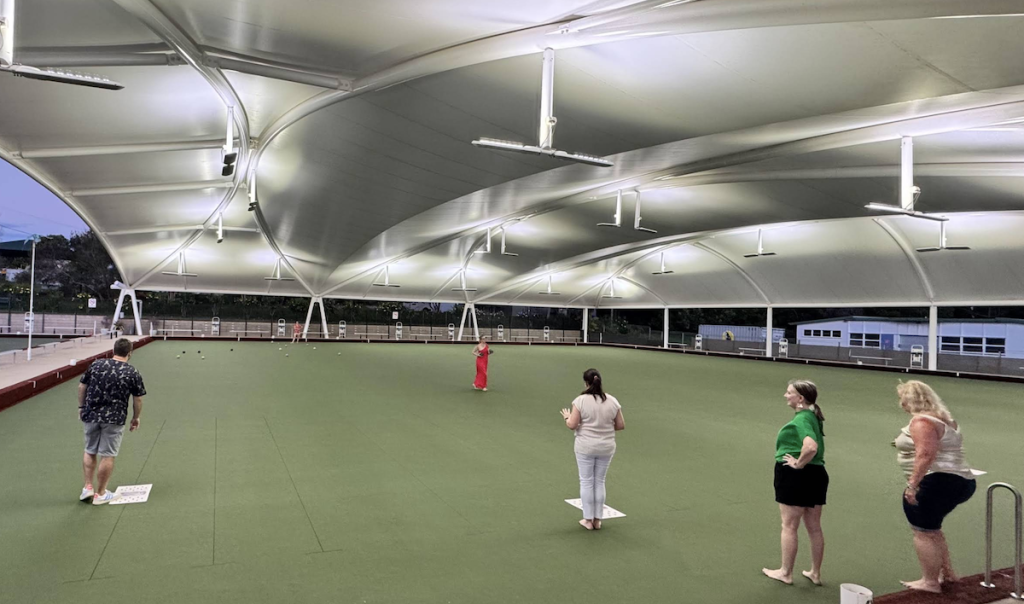
The Northern Suburbs Bowls Club has operated in Wavell Heights for decades, representing a slower and more social side of suburban sport.
Bowls clubs once played a major role in Brisbane community life, particularly for older residents seeking local social spaces close to home. Many also relied heavily on volunteers and long-term membership networks.
Although suburban Brisbane has changed significantly, clubs like Northern Suburbs Bowls Club still reflect an earlier version of community life built around face-to-face gathering and local participation.
Schools Helped Sustain the Sporting Culture
Sport on Brisbane’s northside was never limited to private clubs.
Schools also played a major role in reinforcing the area’s sporting identity. Regional competitions, school carnivals and junior representative pathways helped connect local fields to broader Queensland sporting systems.
Northside venues continue to be used for regional school competitions and this shows how deeply embedded the sporting infrastructure remains today.
Even as Brisbane grows denser and lifestyles become busier, the concentration of clubs, parks and sporting grounds across Wavell Heights and nearby suburbs continues to shape community life in practical ways.
The Sporting Identity Still Shapes the Northside
Modern Brisbane looks very different from the suburban city that expanded after the war.
Community sport now competes with a wider range of activities and schedules. Clubs face rising costs, while volunteer numbers are often harder to maintain than they once were.
Yet the sporting identity of Brisbane’s north has not disappeared.
On most weekends, the fields around Wavell Heights still fill with players, parents, coaches and spectators moving between grounds across the district. The clubs remain constantly evolving, but they continue to provide places where communities physically gather.
That may be why suburbs like Wavell Heights still feel closely tied to sport even after decades of urban change.
The northside was not simply a place where sporting clubs happened to exist. In many ways, suburban life grew around them.
Published 27-May-2026